Latest Articles
Need Expert Help with Your Ottawa Home's Exterior?
Get a Free Estimate

Your Source for Expert Tips, Insights, and Advice on Maintaining and Enhancing Your Home's Exterior in Ottawa.
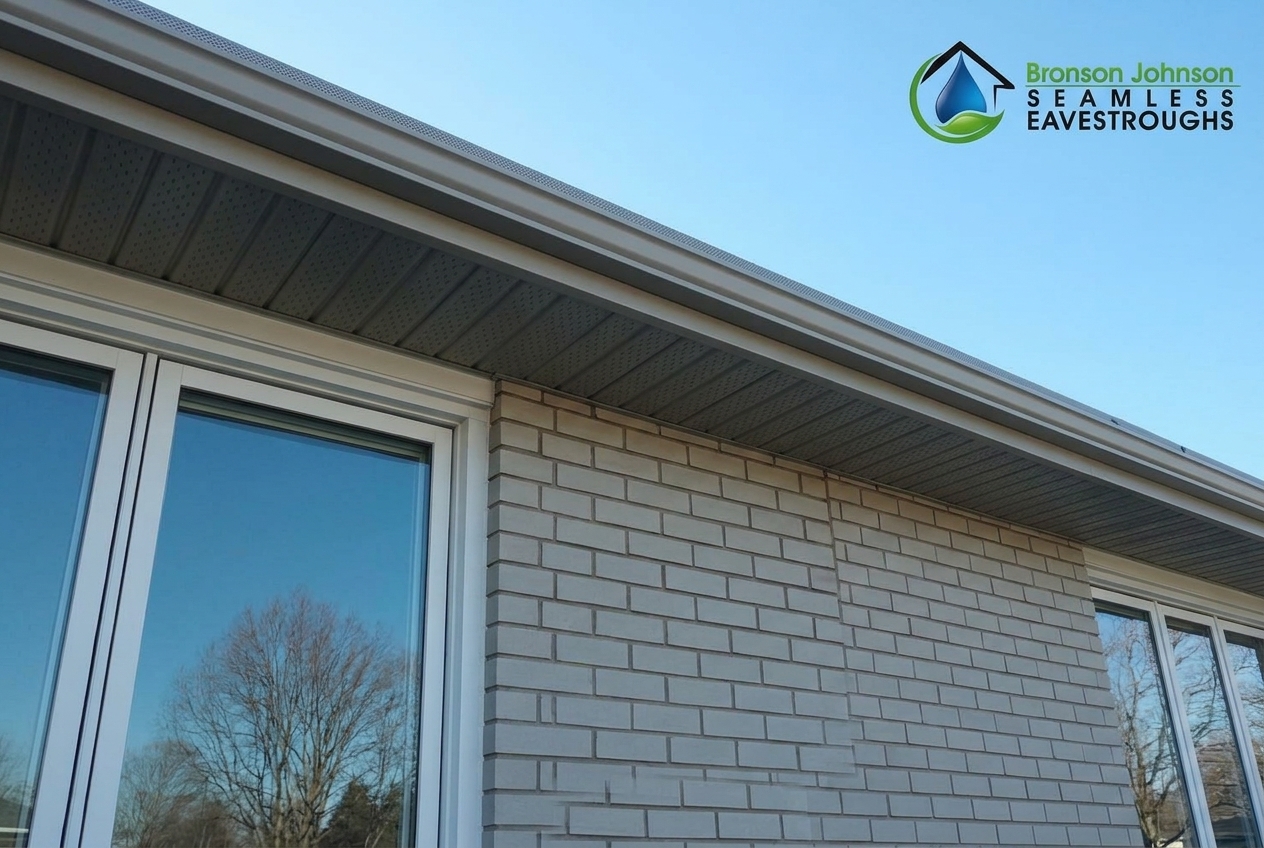
Home Maintenance, Eavestroughs, Seasonal Care
Your home works hard every day—especially its exterior. One of the most important yet overlooked systems protecting your home is the eavestroughs. When they are designed, installed, and maintained properly, they quietly manage thousands of litres of water every year, helping to prevent leaks, foundation damage, and costly repairs. This guide walks you through how eavestroughs protect your property, what seasonal care actually looks like, and when to call in trusted professionals for seamless eavestrough installation or replacement.
Eavestroughs are not just trim along your roofline—they are part of your home’s drainage system. Their job is simple but critical: collect rainwater and snowmelt from the roof and direct it safely away from your foundation, walkways, and landscaping. When they work well, you rarely think about them. When they fail, the consequences can be significant and expensive.
Poor drainage can lead to soil erosion, basement leaks, ice buildup, and even structural movement over time. According to the Insurance Bureau of Canada, water damage is one of the leading causes of home insurance claims—often linked to inadequate drainage or neglected exterior systems. Your eavestroughs are a front-line defense against these issues, especially in climates with heavy rain, freeze–thaw cycles, or rapid snowmelt.
Not all eavestrough systems are created equal. Traditional sectional systems are assembled from shorter pieces joined together with connectors. Every joint is a potential weak point—an area where leaks can form, debris can snag, and ice can build up. Over time, these joints may separate or warp, allowing water to escape where it should not.
Seamless eavestroughs, by contrast, are formed from a continuous length of metal, custom-cut on-site to fit each run of your home. This design dramatically reduces the number of joints, limiting them mainly to corners and downspout connections. Fewer seams mean fewer opportunities for leaks and clogs—an advantage that becomes especially important during heavy storms and spring thaw, when your system is under maximum load.
💡 Pro Tip: If you notice frequent leaks at the joints of your existing gutters, upgrading to seamless eavestroughs can be a long-term solution—not just a temporary fix.
Staying ahead of problems is always more cost-effective than dealing with serious damage later. As a homeowner, it helps to know what to watch for. While a professional inspection is the most reliable way to assess your system, you can often spot early warning signs from the ground—no ladders required.
Overflowing water during rain: If water spills over the edge instead of flowing to the downspouts, you may have clogs, undersized eavestroughs, or improper slope.
Staining on siding or fascia: Dark streaks, peeling paint, or algae growth near the roofline can signal slow leaks or chronic overflow.
Pooling water near the foundation: After a storm, walk around your home. Standing water close to the foundation is a red flag for drainage issues that should be addressed quickly.
Sagging or pulling away: Eavestroughs that bow, sag, or separate from the fascia may be overloaded, improperly fastened, or reaching the end of their service life.
Visible gaps and corrosion: Rust spots, holes, or gaps at seams are clear indicators that replacement is often more practical than repeated patching.
When you notice several of these symptoms at once—especially in an older system—it is usually time to consult an eavestrough specialist. A professional can determine whether targeted repairs will be sufficient or whether a full replacement with seamless eavestroughs will offer better long-term value and protection.
Your eavestroughs face different challenges in each season—heavy rain, falling leaves, ice, and debris. A straightforward seasonal plan keeps them working reliably without becoming another overwhelming chore on your to-do list. Think of it as preventative maintenance for your home’s drainage system.
As snow and ice recede, your eavestroughs may reveal the impact of winter. Spring is an ideal time to perform a thorough inspection and cleaning. Look for leftover ice damage, detached brackets, or sections that have shifted under the weight of snow loads. Clear out any branches and grit that may have accumulated over the colder months so spring showers can flow freely away from your home.
⚠️ Safety Reminder: If you are uncomfortable working at heights or do not have proper ladders and stabilizers, it is safer to hire a professional for cleaning and inspection—especially on multi-storey homes.
Summer storms can be intense, delivering heavy rainfall in a short period. On a rainy day, take a few minutes to observe how your eavestroughs perform. Water should flow smoothly to each downspout without spilling over the edges or backing up at corners. If you see persistent overflow, you may need adjustments to the slope, additional downspouts, or larger-capacity eavestroughs in problem areas.
You can also take advantage of drier summer days to trim back overhanging branches. This step reduces the amount of leaves and debris that will enter your system later in the year. For guidance on safe pruning and tree care, resources like the Arbor Day Foundation’s tree care tips can be helpful.
Autumn is often the busiest season for eavestroughs. Falling leaves, twigs, and seed pods can quickly accumulate, especially if your home is surrounded by mature trees. A comprehensive cleaning late in the fall—after most leaves have dropped—helps ensure your system is ready for winter snow and ice. In some cases, you may need an additional mid-season cleaning if trees are dense or weather is particularly windy.
This is also the ideal time to consider leaf protection systems. Quality gutter guards can reduce the frequency of cleanings and help keep water moving even when leaves are falling heavily. Not all products are equal, so it is worth reviewing unbiased advice from building experts—resources such as Family Handyman’s gutter maintenance tips offer practical perspectives on what works in real homes.
In colder climates, winter introduces unique stresses. Ice dams—ridges of ice that form along the roof edge—can trap melting snow, forcing water back under shingles and into your home. While eavestroughs alone do not cause ice dams, poorly insulated attics, inadequate ventilation, and clogged gutters can all contribute to the problem. Keeping your system clear before the first major snowfall is an important preventive step.
You should never chip away ice with sharp tools or attempt risky winter ladder work. Instead, focus on prevention and consult qualified professionals if you notice recurring ice buildup. For a deeper understanding of how roof, attic, and drainage systems work together in winter, the U.S. Department of Energy’s guidance on home air sealing and insulation provides useful background.
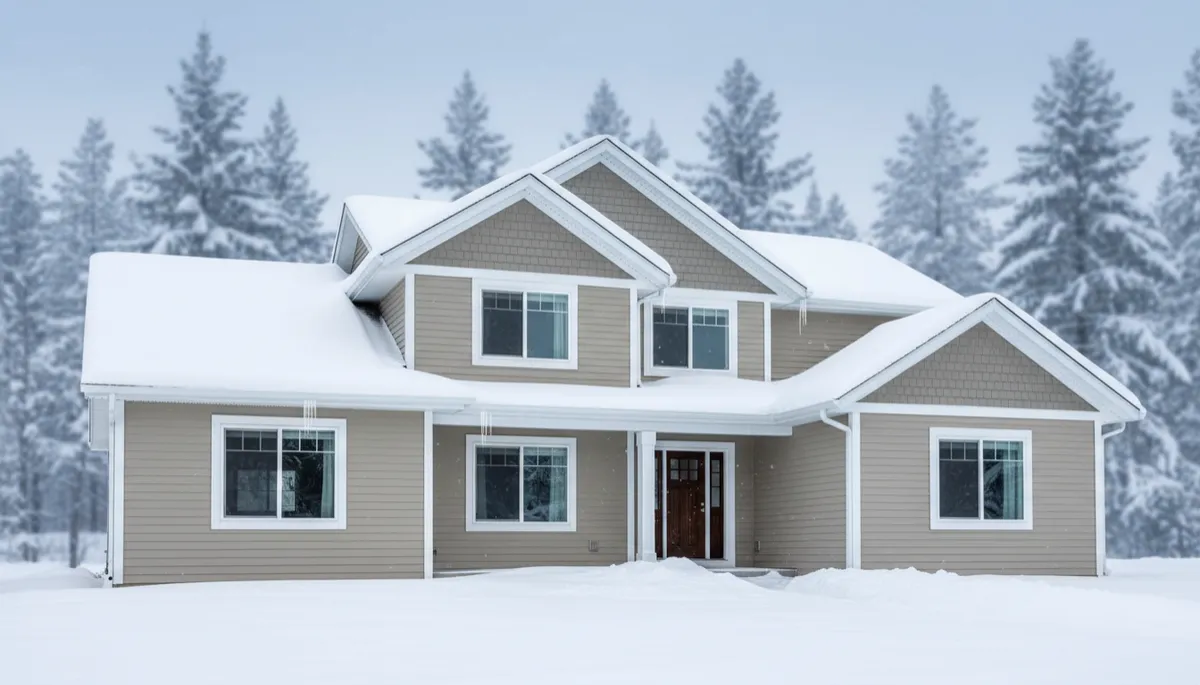
Clear, well-sloped eavestroughs support safer drainage during freeze–thaw cycles.
While some homeowners are comfortable with basic cleaning, eavestrough installation and replacement are best left to experienced professionals. A quality seamless system is more than just metal along the roofline—it is a custom-fitted drainage solution tailored to your home’s roof design, landscaping, and local climate. Professional installers consider details that are easy to overlook but critical to long-term performance.
Precise measurements and custom forming: Seamless eavestroughs are cut and shaped on-site to exact lengths, reducing joints and creating a clean, finished appearance.
Correct slope for efficient drainage: Too much slope looks uneven—too little slope can cause standing water. Skilled installers set a gentle, consistent pitch that moves water effectively while preserving curb appeal.
Strategic downspout placement: Downspouts must be located where they can direct water safely away from the foundation, walkways, and driveways. This planning helps prevent icy patches in winter and erosion in garden beds.
Secure fastening and support: Properly spaced hangers and brackets keep eavestroughs stable under heavy rain, snow, and ice. This support reduces sagging and extends the system’s lifespan.
A professional installation also means you have a knowledgeable partner to answer questions about maintenance, accessories, and future upgrades. That peace of mind is especially valuable when you are investing in a critical part of your home’s protection system.
Many eavestrough problems start with good intentions but incomplete information. By understanding a few common mistakes, you can make more informed decisions and protect your home more effectively over the long term.
Delaying maintenance: Waiting until water is visibly pouring over the sides or entering the basement often means damage has already begun. Regular seasonal checks keep minor issues from becoming major repairs.
Relying on patchwork fixes: Temporary sealants and improvised brackets may hold for a short time, but they rarely address underlying design or wear issues. When leaks or sagging are widespread, replacement is usually more cost-effective than repeated patching.
Ignoring grading and downspout extensions: Even the best eavestrough system cannot protect your home if water is discharged right beside the foundation. Downspouts should extend several feet away, and the surrounding ground should slope gently away from the house.
DIY work without proper safety measures: Working at height on ladders or roofs carries real risk. If you are unsure about safe techniques, it is wise to bring in professionals rather than risk injury.
Avoiding these pitfalls helps you get the full benefit of your eavestrough system and reduces the likelihood of unexpected water issues—especially during extreme weather events.
Eavestroughs do not work in isolation. They are one part of a broader system that includes your roof, soffit, fascia, grading, and even your interior basement drainage. When you think about home maintenance, it helps to view these components as connected pieces of the same protection strategy—each one supports the others in managing moisture and preserving structural integrity.
Roofing: A sound roof directs water to the eavestroughs. Missing shingles, damaged flashing, or poor design can overwhelm even the best gutter system.
Soffit and fascia: These elements support and conceal your eavestroughs while providing ventilation to your attic. Rotting or damaged fascia can compromise gutter stability and should be repaired before or during an eavestrough project.
Grading and landscaping: Even with properly functioning eavestroughs, water must have a safe path away from your home. Ensuring the ground slopes away and that garden beds or hardscaping features do not trap water is essential.
Many reputable homeowner resources emphasize the importance of coordinated maintenance. For example, seasonal home maintenance checklists often highlight roof and drainage inspections together. By aligning your eavestrough care with these broader tasks, you create a consistent routine that protects your home year after year.
When it is time to replace or upgrade your eavestroughs, the installer you choose matters as much as the materials. A trustworthy, customer-focused company will take the time to understand your home, explain your options clearly, and recommend solutions that balance performance, appearance, and budget. Look for a team that specializes in seamless eavestroughs, stands behind its workmanship, and has a track record of satisfied homeowners in your area.
A reliable provider will:
Conduct a thorough on-site assessment rather than offering one-size-fits-all solutions over the phone.
Explain how eavestrough size, placement, and accessories are chosen for your roofline and property layout.
Provide clear, written estimates and realistic timelines—no surprises, no rushed decisions.
Offer guidance on maintenance and seasonal care so you can protect your investment over time.
Partnering with specialists who focus on seamless eavestroughs gives you confidence that every detail—from slope to fastening to downspout routing—has been handled with care. That level of expertise is what keeps water moving where it should go, even in challenging weather conditions.
Eavestroughs may not be the most visible feature of your home, but they are one of the most important for long-term protection. With a thoughtful combination of seasonal care and professional installation, you can significantly reduce the risk of water damage, preserve your foundation, and maintain a clean, finished look along your roofline. The key is to treat your eavestroughs as a vital system rather than an afterthought—one that deserves the same attention you give to your roof, windows, or furnace.
Start by observing how your current system performs in different seasons. Make note of any overflow, staining, or pooling water. Use that information to decide whether targeted maintenance will be enough or whether it is time to explore a seamless replacement. When you are ready to take the next step, working with a dedicated eavestrough specialist ensures the solution is tailored to your home, your climate, and your expectations for reliability and appearance.
Investing in well-designed, professionally installed seamless eavestroughs is ultimately an investment in peace of mind. You can feel confident every time the forecast calls for heavy rain or snow—knowing your home is protected by a system built to handle the elements, season after season.
Contact Bronsonjohnson Seamless Eavestoughs now to get your free quote!
Bronson Johnson Seamless Eavestroughs Ottawa specializes in seamless eavestrough installation, eavestrough replacement, leaf-guard systems, and soffit and fascia repairs. Serving homeowners across Ontario with care and craftsmanship. With a 20-year material warranty, 5-year workmanship guarantee. Full licensing and insurance with A+ BBB rating and backed by over 397 verified HomeStars 5-star reviews. You’re not just getting new gutters—you’re getting peace of mind that lasts.
Protecting homes with Expert Eavestrough Ottawa, Soffit, and Fascia services.
📅 Serving the community since 2010 | Privacy Policy


Copyright ©2026 Bronson Johnson . All Rights Reserved. Designed by Optimized Websites