Latest Articles
Need Expert Help with Your Ottawa Home's Exterior?
Get a Free Estimate

Your Source for Expert Tips, Insights, and Advice on Maintaining and Enhancing Your Home's Exterior in Ottawa.
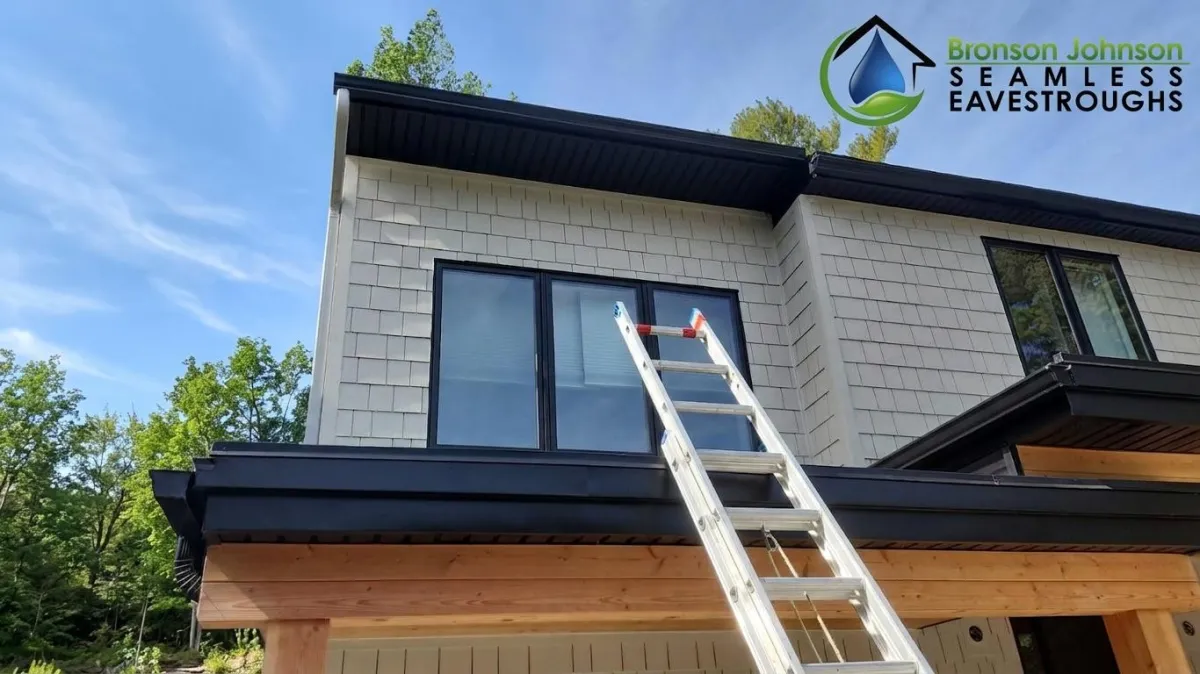
Home Maintenance, Eavestrough Installation, Soffit and Fascia
If you’ve ever discovered a surprise leak, peeling paint, or a musty smell in the basement after a storm, there’s a good chance the real problem started at your roofline—not inside your home. Your eavestroughs, soffit, and fascia quietly work together to move water away, ventilate your attic, and shield vulnerable wood from rot and pests. When they’re in good shape, they protect your investment, keep your family comfortable, and stop small issues from turning into expensive headaches. When they fail, trouble shows up fast in the form of leaks, staining, ice dams, and even foundation damage. This guide walks you through what every homeowner should know about these often‑overlooked components, so you can make confident decisions, prevent costly repairs, and keep your home in excellent condition year‑round.
Understand how gutters, soffit, and fascia work together for year‑round protection
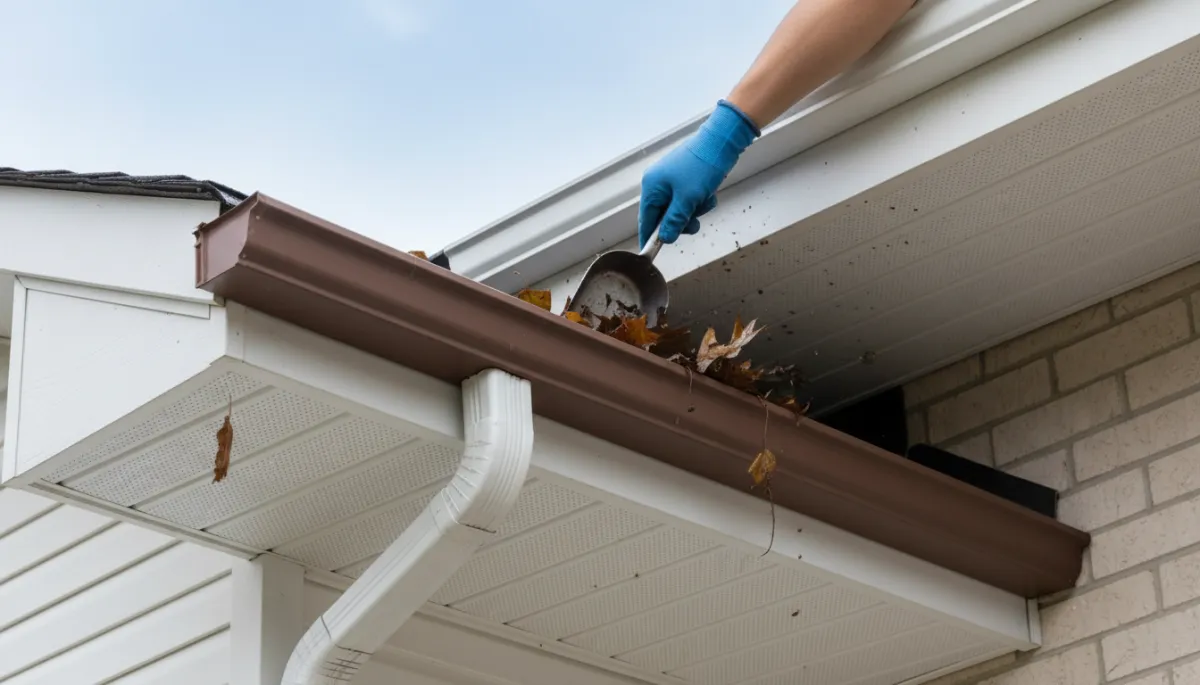
Many exterior upgrades—like new doors or fresh landscaping—are immediately visible. Eavestroughs, soffit, and fascia are easier to overlook, yet they are central to effective home maintenance. Together, they manage water, protect structural elements, and support healthy airflow in your attic and roof system. Neglecting them can quietly undermine the rest of your home improvement efforts, no matter how much you invest elsewhere on your property.
Water is one of the most damaging forces your home faces. Without properly sized and installed eavestroughs and downspouts, rain and snowmelt can pour straight off your roof and collect around your foundation. Over time, this leads to soil erosion, basement leaks, and, in severe cases, structural settlement. According to the Insurance Bureau of Canada, water damage is one of the leading causes of home insurance claims, often far exceeding fire in total costs. A well‑designed eavestrough system is a relatively small investment compared with the expense and disruption of water‑related repairs.
Soffit and fascia play a quieter but equally important role. Fascia is the vertical finishing board mounted along the roof edge—it anchors your eavestroughs, shields the end of your rafters, and provides a clean, finished look. Soffit is the horizontal panel tucked under the roof overhang. Vented soffit allows fresh air to enter the attic, while roof vents let warm, moist air escape. This balanced airflow helps regulate attic temperature, reduces the risk of ice dams in winter, and discourages mould growth and premature shingle deterioration.
💡 Pro Tip: If you notice peeling paint, soft wood, or wasp nests around your roofline, your soffit and fascia may already be compromised. Addressing these issues early is far more cost‑effective than waiting for water damage to spread.
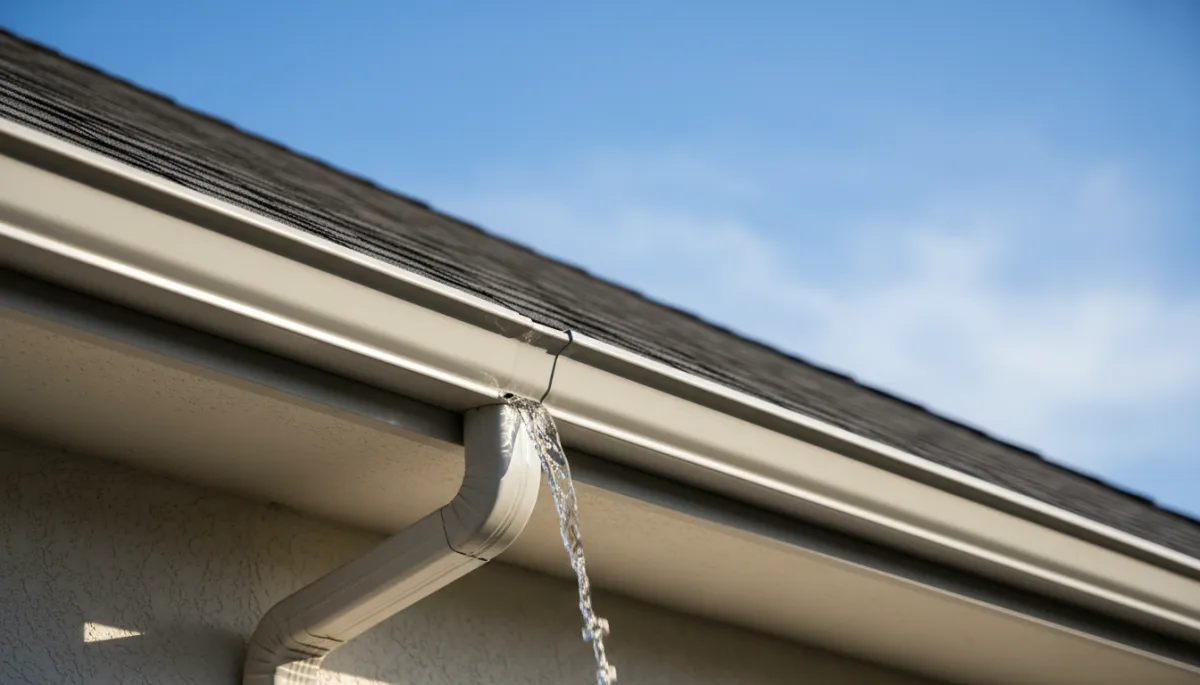
Eavestrough installation is not just about attaching metal channels to the edge of your roof. A high‑quality installation considers roof size and pitch, local weather patterns, downspout placement, and the overall look of your home. When done well, seamless eavestroughs blend into your exterior design, manage heavy rainfall effectively, and require minimal maintenance over their lifespan.
Sectional eavestroughs are assembled from multiple pieces joined with connectors. Every joint is a potential weak point—over time, seams can separate, sag, or leak. Seamless eavestroughs, by contrast, are custom‑formed on‑site from a continuous coil of metal, tailored to the exact length of each roof edge. This reduces the number of joints dramatically, which in turn helps minimize leaks and improves the overall appearance of your roofline. For most homeowners, seamless systems offer better long‑term value and a cleaner, more polished finish.
An effective eavestrough system starts with correct sizing. The width and depth of your eavestroughs, as well as the number and size of downspouts, must match the surface area and pitch of your roof. In regions that experience intense rainfall or rapid snowmelt, undersized gutters can quickly overflow, defeating their purpose. The slope is just as important—too flat, and water will stagnate; too steep, and water may rush past the downspout outlets, causing noise and splashing. A professional installer calculates these details to ensure water flows smoothly toward each downspout without standing water or overflow.
Downspout placement is another critical consideration. Downspouts should discharge water at least several feet away from your foundation, ideally onto a splash pad or into an extension that directs flow toward safe drainage areas. In some cases, tying downspouts into underground drainage can help move water even further from the home. The goal is always the same—keep water away from your foundation, walkways, and low‑lying areas where pooling can occur.
Because eavestroughs are fastened directly to the fascia, the condition of your fascia boards has a direct impact on installation quality. Rotten or warped fascia cannot hold fasteners securely, so any reputable installer will inspect these components before beginning work. If repairs or replacements are needed, it is best to address them at the same time as your new eavestrough installation. Coordinating soffit, fascia, and eavestrough upgrades together ensures a consistent appearance and a strong, stable base for your new system.
💡 Pro Tip: Ask your installer how they fasten eavestroughs to the fascia. Hidden hangers, installed at appropriate intervals, typically provide stronger support and a cleaner look than older spike‑and‑ferrule systems.
While eavestroughs handle visible water flow, soffit and fascia quietly protect the structure beneath your roof. Understanding how they work—and how they fit into your broader home maintenance plan—can help you spot issues early and plan smart upgrades that support long‑term performance.
A well‑ventilated attic does more than keep your home comfortable—it also protects your roofing materials. Vented soffit panels allow cool, dry air to enter at the eaves, while roof vents or ridge vents allow warmer air to escape near the peak. This continuous air movement helps reduce moisture buildup from everyday activities like cooking, bathing, and laundry. Excess moisture in the attic can lead to mould growth, wood rot, and reduced insulation effectiveness, all of which can shorten the life of your roof and increase energy costs.
The U.S. Department of Energy offers helpful guidance on attic ventilation and its impact on energy efficiency and building durability, which is also relevant for Canadian climates with similar temperature swings. You can learn more about their recommendations here: https://www.energy.gov/energysaver/ventilation.
Fascia boards cover and protect the exposed ends of your roof rafters or trusses. Without this protective layer, wood components would be vulnerable to wind‑driven rain, snow, and pests. Modern fascia materials—often aluminum or other low‑maintenance metals—provide durable protection while offering a clean, streamlined appearance along the roof edge. Colour‑matched fascia and eavestroughs can enhance your home’s curb appeal by creating a cohesive, finished look from the street.
High‑resolution photograph of a close‑up roofline showing ‑coloured aluminum soffit, fascia, and...
Coordinated soffit, fascia, and seamless eavestroughs protect your roofline while elevating curb appeal.
A thoughtful seasonal maintenance routine can dramatically extend the life of your exterior components and reduce the risk of unexpected issues. While professional inspections are invaluable, there are many simple checks homeowners can perform throughout the year to stay ahead of potential problems.
After a long winter, spring is the ideal time to assess how your eavestroughs, soffit, and fascia have weathered snow, ice, and wind. Look for sections of eavestrough that appear to be pulling away from the fascia, as well as any visible dents or distortions. Check for staining on soffit panels or fascia boards—this can be an early sign of ice damming or overflow during freeze‑thaw cycles. Clear away any remaining debris, and ensure downspouts are firmly attached and directing water away from your foundation.
Summer’s stable weather makes it an excellent season for scheduling eavestrough installation, soffit and fascia replacement, or larger exterior home improvement projects. With fewer weather‑related delays, installers can work efficiently, and materials have a chance to settle and seal properly. This is also a good time to consider complementary upgrades, such as leaf guards or additional downspouts, especially if you observed overflow during spring rains. If you are planning other exterior work—like roofing or siding—coordinating timelines can help ensure all components align cleanly and function as a system.
In many regions, fall is the most demanding season for eavestroughs. Falling leaves, twigs, and seeds can quickly accumulate, blocking water flow and adding weight to your system. Before the late‑fall rains and early snow arrive, ensure your eavestroughs are clear and downspouts are unobstructed. If your property has mature trees, you may need to schedule more than one cleaning per season. This is also a good time to do a quick visual check of soffit and fascia for any gaps or openings where small animals might try to enter as temperatures drop.
The Canada Mortgage and Housing Corporation (CMHC) offers a helpful seasonal maintenance checklist that reinforces the importance of regular exterior inspections, including eavestroughs and downspouts. Reviewing their guidance can help you build a comprehensive routine: https://www.cmhc-schl.gc.ca/en/consumers/home-maintenance-and-repair.
During winter, safety should always come first—avoid climbing ladders or working on icy surfaces. From the ground, periodically check your roofline for signs of ice dams, such as thick ridges of ice along the eaves or icicles forming in unusual places. While some icicles are normal, large, persistent formations may indicate poor insulation, inadequate ventilation, or water backing up behind ice in your eavestroughs. If you suspect ice dam issues, consult a professional. They can help you identify the root cause and propose long‑term solutions, such as improving attic insulation, enhancing ventilation, or adjusting your eavestrough system.
⚠️ Warning: Avoid chopping or prying ice from your eavestroughs. This can damage the metal, loosen fasteners, and void warranties. Always consult a qualified professional for safe ice removal.
When planning home improvement projects, it is tempting to focus on visible upgrades like kitchens, bathrooms, and landscaping. Yet, exterior systems that manage water and protect your structure—especially eavestroughs, soffit, and fascia—should be at the top of your priority list. These components support the integrity of your entire home, helping you safeguard the investments you make elsewhere.
A well‑designed eavestrough and downspout system does more than protect your foundation. By directing water away from walkways, driveways, and patios, it helps reduce freeze‑thaw damage and surface cracking. It also safeguards your landscaping, preventing mulch washouts, soil erosion, and flooding in garden beds. If you have invested in hardscaping or plantings around your home, reliable water management is essential to preserving their appearance and function over time.
Eavestroughs, soffit, and fascia also contribute to the energy performance of your home. By supporting proper attic ventilation and reducing moisture buildup, soffit and fascia help your insulation work as intended. This can lead to more stable indoor temperatures, reduced strain on your heating and cooling systems, and potentially lower utility bills. Combined with well‑sealed windows, doors, and exterior walls, a healthy roofline is an important part of a comfortable, efficient home.
For homeowners interested in the broader connection between building durability, moisture control, and energy use, resources from Natural Resources Canada offer valuable context: https://natural-resources.canada.ca/energy-efficiency/homes. While these materials cover many aspects of home performance, they reinforce how integrated your exterior systems truly are.
If you are considering multiple exterior projects, sequencing them strategically can save time and money. For example, if your roof is nearing the end of its life and your eavestroughs are also due for replacement, it often makes sense to address the roof first, then install new eavestroughs, soffit, and fascia. This reduces the risk of damage to new components during roof work and allows all trades to coordinate flashing, drip edges, and fastening points correctly. Similarly, if you are planning new siding, it is wise to discuss how eavestrough and fascia details will tie into the overall design so that colour, profiles, and trim align seamlessly.
One of the most common questions homeowners ask is whether they should repair existing eavestroughs, soffit, and fascia, or invest in full replacement. The answer depends on age, material, extent of damage, and how well the system was designed in the first place. While a professional assessment is always recommended, a few general guidelines can help you frame the conversation and set expectations.
Isolated leaks at one or two joints in an otherwise sound system
Minor sagging that can be corrected by re‑fastening hangers
Small sections of damaged soffit or fascia, with no evidence of widespread rot
Cosmetic scratches or dents that do not affect water flow or structural integrity
In these cases, targeted repairs can extend the life of your system and buy you time to plan for eventual replacement. However, it is important that repairs are done with compatible materials and appropriate sealants, so they do not create new weak points or void manufacturer warranties.
Eavestroughs are heavily rusted, warped, or repeatedly pulling away from the fascia
Numerous leaks or constant overflow, even after cleaning and spot repairs
Widespread rot or soft spots in fascia boards, indicating long‑term water exposure
Outdated materials or profiles that do not match your current exterior or performance needs
In these situations, full replacement is often more economical in the long run. Modern seamless eavestroughs, paired with durable soffit and fascia, offer improved performance, better aesthetics, and reduced maintenance demands. A comprehensive upgrade also gives you the opportunity to correct design shortcomings—such as undersized downspouts or poor drainage paths—that may have contributed to past issues.
Because eavestroughs, soffit, and fascia are interconnected systems, choosing an experienced, specialized installer is essential. A trustworthy professional does more than simply follow a work order—they assess how your home sheds water, how your roofline is built, and how local weather patterns affect performance throughout the year. They also understand how these components interact with roofing, siding, and insulation, which helps them recommend solutions that fit your broader home improvement goals.
Experience: How long have you specialized in eavestrough, soffit, and fascia installation?
Materials: What materials do you use, and why do you recommend them for this climate?
Design: How will you determine the right eavestrough size, slope, and downspout locations for my home?
Warranty: What warranties do you offer on both materials and workmanship?
Coordination: How will you coordinate with other contractors if I am also replacing my roof or siding?
Clear, detailed answers to these questions are a strong sign that you are working with a professional who takes your home seriously. Look for installers who provide written estimates, explain their recommendations in plain language, and are willing to walk you through past projects or references.
Home maintenance does not have to be overwhelming. By focusing on key systems that protect your structure—especially eavestroughs, soffit, and fascia—you can reduce surprises and enjoy greater peace of mind, season after season. A little planning goes a long way. Start with a clear picture of your current roofline, note any recurring issues, and consider how seasonal conditions in your area place demands on your home. From there, you can prioritize repairs or upgrades that deliver the greatest impact on durability, comfort, and curb appeal.
Whether you are dealing with overflowing eavestroughs, aging soffit and fascia, or simply planning ahead for future home improvement projects, partnering with a knowledgeable, detail‑oriented installer makes all the difference. With the right guidance, you can transform your roofline from a potential source of problems into a quiet, reliable defender of your home’s value and comfort.
Ready to take the next step toward a safer, more resilient home exterior? Contact Bronsonjohnson Seamless Eavestoughs now to get your free quote!
Bronson Johnson Seamless Eavestroughs Ottawa specializes in seamless eavestrough installation, eavestrough replacement, leaf-guard systems, and soffit and fascia repairs. Serving homeowners across Ontario with care and craftsmanship. With a 20-year material warranty, 5-year workmanship guarantee. Full licensing and insurance with A+ BBB rating and backed by over 397 verified HomeStars 5-star reviews. You’re not just getting new gutters—you’re getting peace of mind that lasts.
Protecting homes with Expert Eavestrough Ottawa, Soffit, and Fascia services.
📅 Serving the community since 2010 | Privacy Policy


Copyright ©2026 Bronson Johnson . All Rights Reserved. Designed by Optimized Websites