Latest Articles
Need Expert Help with Your Ottawa Home's Exterior?
Get a Free Estimate

Your Source for Expert Tips, Insights, and Advice on Maintaining and Enhancing Your Home's Exterior in Ottawa.
Home Exteriors, Fascia, Roof Protection
When you look at your home’s exterior, you probably notice the siding, windows, and roof first. But there’s a slim, horizontal board that quietly ties everything together and protects your home from costly damage: the fascia. Understanding what fascia is, what it does, and how to care for it can save you thousands of dollars and a lot of headaches over the life of your home.
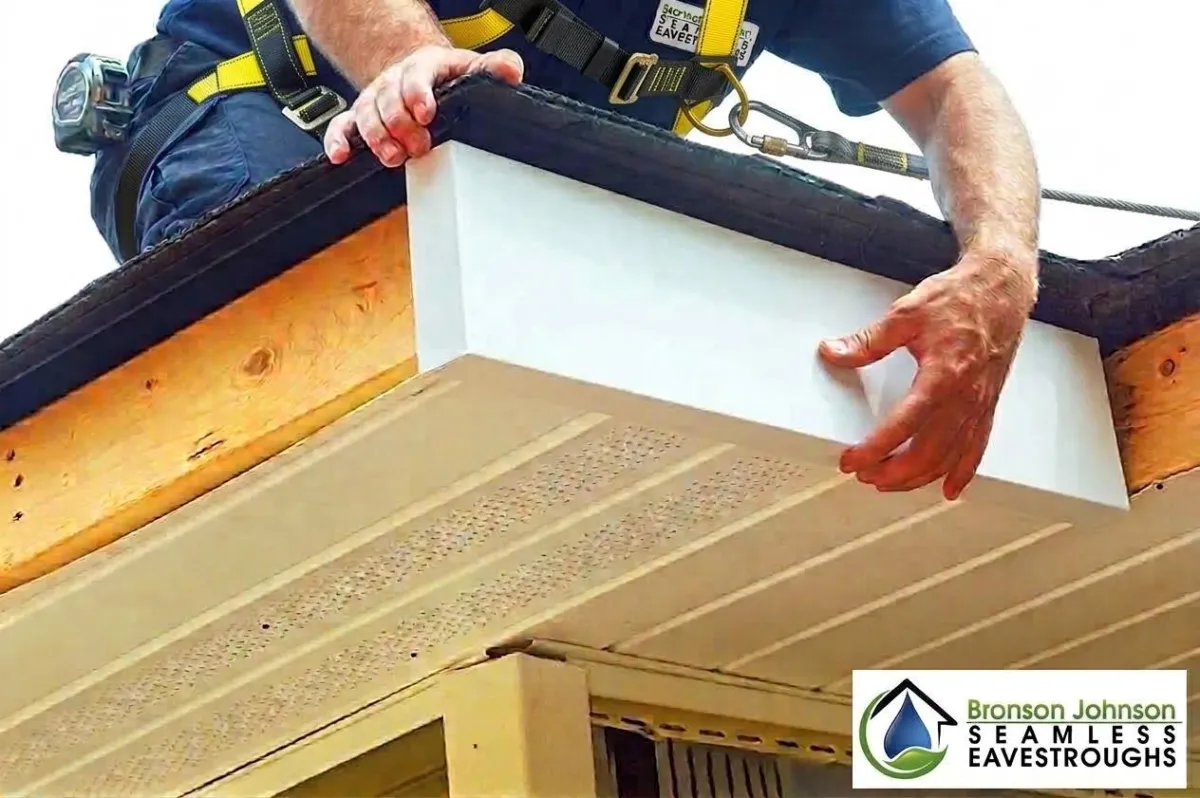
Fascia is the long, straight board that runs along the lower edge of your roof, right where your roof meets the outer walls of your home. If you stand back and look at the front of a house, the board you see just behind the eavestrough (or gutters) is the fascia. It’s often painted to match the trim and looks purely decorative, but it actually serves several critical structural and protective functions.
In most homes, fascia boards are attached to the ends of the roof rafters or trusses. They create a smooth, finished edge and provide a solid surface to which eavestroughs can be securely fastened. Without fascia, your roofline would look unfinished, and your eavestroughs would have nothing stable to attach to, making them more likely to sag, leak, or pull away from the house over time.
Fascia might look like a simple trim board, but it’s quietly doing a lot of work. Here are the key roles it plays in protecting your home and keeping it looking sharp.
Eavestroughs are typically screwed directly into the fascia board. During a heavy rainstorm, those troughs may be holding dozens or even hundreds of litres of water, plus debris like leaves and small branches. That’s a lot of weight for a long, narrow board to support. A solid, properly installed fascia ensures your eavestroughs remain straight, secure, and correctly sloped to carry water away from your home’s foundation.
At the edge of your roof, the ends of the rafters or trusses are particularly vulnerable to water. Fascia covers and protects these structural components from rain, snow, and ice. When fascia is in good condition and paired with functioning eavestroughs, it helps prevent water from soaking into the roof deck and causing rot, mold, or structural weakening over time.
Fascia works hand in hand with soffits (the horizontal panels underneath the roof overhang) to seal the gap between the roof and the exterior walls. If fascia boards are missing, cracked, or rotting, they can create openings that allow birds, squirrels, bats, and insects to make their way into your attic. Once inside, pests can damage insulation, wiring, and stored belongings, and can be very difficult to remove completely.
From a curb appeal standpoint, fascia is the crisp line that frames your roof and visually connects your siding, windows, and roof covering. Clean, straight fascia boards make a home look well cared for, while warped, peeling, or missing fascia can instantly make even a nice house look neglected. Because it’s so visible, updating fascia is one of the simplest ways to refresh the look of your exterior without a full renovation.

Well-maintained fascia and eavestroughs keep water controlled and boost curb appeal.
Not all fascia is created equal. The material your fascia boards are made from will affect how they look, how long they last, and how much maintenance they need. Here are the most common options you’ll see on residential homes today.
Traditional fascia boards are often made from solid wood, such as pine, spruce, or cedar. Wood is easy to work with, can be painted or stained in any color, and offers a classic look that suits many architectural styles. However, wood fascia is also the most vulnerable to moisture damage, rot, and insect activity, especially in climates with heavy rain or snow. To keep wood fascia in good shape, you’ll need to repaint or reseal it regularly and address any peeling paint or soft spots quickly.
Many homeowners choose to cover wood fascia with aluminum cladding. This creates a protective metal shell around the wood, dramatically improving resistance to moisture and reducing the need for repainting. Aluminum fascia is available in a wide range of colors, making it easy to match your eavestroughs and soffits for a coordinated look. When properly installed, metal-clad fascia can last for decades with minimal maintenance beyond occasional cleaning and inspection.
In some newer builds and renovations, you’ll see fascia made from PVC or composite materials. These products are designed to be rot-resistant, insect-proof, and low maintenance. They can mimic the look of wood but don’t require painting as often and are less likely to warp. The trade-off is that they may cost more up front, and color options can be more limited than painted wood or aluminum cladding. Still, for homeowners who want a “set it and forget it” solution, composite fascia can be a smart investment.
It’s hard to talk about fascia without also mentioning soffits and eavestroughs, because these three elements form a complete system at your roof’s edge. When they’re all in good condition and properly installed, they protect your home from water, improve ventilation, and maintain your home’s appearance. When one fails, the others are often affected too.
Fascia provides the vertical face at the roof edge and supports the eavestroughs.
Soffits are the horizontal panels underneath the overhang that close in the underside of the roof and often include vents to allow fresh air into the attic.
Eavestroughs (gutters) catch rainwater and melting snow from the roof and direct it safely away from your home’s foundation.
If fascia boards rot, eavestroughs can loosen or pull away, causing water to spill over the side and soak the siding, windows, and ground below. If soffits are damaged, moisture can be trapped in the attic or pests can move in. That’s why a professional exterior specialist will always look at this entire system, not just one piece in isolation, when assessing your home.
Because fascia sits high up on your home, it’s easy to ignore—until something goes wrong. Taking a few minutes each season to visually inspect your fascia can help you catch small problems before they turn into expensive repairs. Here are some warning signs to watch for:
Peeling or flaking paint along the roofline, which can indicate moisture is getting behind the finish and into the wood.
Soft, spongy, or crumbling sections of fascia when gently pressed with a tool or gloved hand (never climb a ladder unless you can do so safely).
Visible gaps, cracks, or missing pieces where the fascia meets the roof or corners of the house.
Sagging or uneven eavestroughs, which may mean the fascia behind them can no longer hold screws securely.
Water stains or streaks on the siding directly below the roofline after rain, suggesting water is overflowing or leaking behind the eavestroughs.
Increased pest activity near the roof—such as birds nesting under the eaves or squirrels repeatedly visiting the same spot.
If you notice any of these signs, it’s wise to have a professional take a closer look. They can determine whether the fascia can be repaired or needs to be replaced, and whether there’s any hidden damage behind it that should be addressed at the same time.
Understanding what typically damages fascia can help you prevent problems before they start. In most homes, fascia issues come down to one or more of the following:
Prolonged exposure to water is the number one enemy of fascia, especially if the boards are made of wood. Clogged eavestroughs can cause water to spill over the front and sit against the fascia, slowly soaking into the material. In winter, ice dams along the roof edge can trap water behind the gutters and force it under shingles and into the fascia and roof deck. Over time, this repeated wetting and freezing can cause boards to warp, crack, or rot.
If eavestroughs are not properly sloped, securely fastened, or adequately sized for your roof, they can put unnecessary stress on the fascia. Heavy debris, standing water, or ice buildup inside the troughs adds weight that pulls on the screws or hangers attached to the fascia. Over time, this can cause the fasteners to loosen and tear out, damaging both the fascia and the eavestroughs themselves.
Fascia is constantly exposed to the elements: sun, wind, rain, and temperature swings. UV rays can break down paint and finishes, causing them to crack and peel. In climates with hot summers and cold winters, materials expand and contract repeatedly, which can cause joints to open up and fasteners to loosen if they weren’t installed with movement in mind. Once gaps appear, water can sneak in and start doing damage from the inside out.
Wood-boring insects and small animals are always looking for weak spots in a home’s exterior. Soft, damp fascia is much easier for them to chew through or nest inside than solid, well-maintained boards. Once they gain entry, they can spread into the roof structure or attic, turning a small fascia issue into a much larger pest control and repair project.
The good news is that a little routine care goes a long way toward keeping your fascia in good condition. Here are practical steps you can take as a homeowner to extend the life of your fascia and catch issues early.
Keep your eavestroughs clean. Clean gutters at least twice a year, or more often if you have tall trees nearby. Clear troughs allow water to flow freely and reduce the chances of overflow and standing water against the fascia. For safe DIY tips on gutter cleaning, you can refer to homeowner guides from reputable sources like Family Handyman.
Do a seasonal walk-around. From the ground, look along the roofline for peeling paint, discoloration, or sagging gutters. Use binoculars if needed. If you’re unsure what you’re seeing, take photos and show them to a professional for advice.
Repaint or reseal when needed. If your fascia is painted wood, don’t ignore peeling or bare spots. Scraping, priming, and repainting exposed areas can prevent moisture from getting into the wood and causing rot. Many exterior experts recommend high-quality exterior primers and paints designed for trim and fascia.
Trim back overhanging branches. Branches that rub against your roof edge can damage fascia and eavestroughs, especially in high winds. They also drop leaves and needles directly into your gutters, increasing the risk of clogs and overflow.
Watch for ice dams in winter. If you regularly see thick ridges of ice along your roof edge, your attic may be under-insulated or poorly ventilated. Ice dams can damage fascia, soffits, and shingles. Resources like the U.S. Department of Energy’s attic guides can help you understand how insulation and ventilation work together.
When fascia problems are caught early, small repairs may be enough. This might include replacing a short section of damaged board, re-securing loose eavestroughs, or installing new aluminum cladding over sound wood. However, if rot or water damage has spread, full replacement of longer sections—or even the entire run—may be necessary to restore strength and protect the roof structure behind it.
A professional fascia and eavestrough specialist will typically:
Inspect the fascia, soffits, and eavestroughs together, looking for signs of hidden damage and moisture intrusion.
Remove damaged fascia boards and check the underlying roof structure for rot or mold.
Install new fascia boards in suitable materials, ensuring proper alignment and secure fastening to rafters or trusses.
Reinstall or upgrade eavestroughs, ensuring correct slope and secure attachment to the new fascia.
Seal joints and corners to reduce the risk of future water infiltration.
Because fascia is so closely connected to your eavestroughs, many homeowners choose to address both at the same time. If your gutters are older, leaking, or constantly clogging, upgrading to seamless eavestroughs when you replace fascia can give you a fresh start and a more reliable, low-maintenance system overall. For a deeper overview of how gutters and fascia interact, homeowner education sites like This Old House offer helpful explanations and project examples.
It can be tempting to view fascia as purely cosmetic trim, but the reality is that it plays a quiet yet powerful role in your home’s defense against the elements. When fascia fails, it often sets off a chain reaction:
Eavestroughs loosen or detach, allowing water to pour directly onto siding, windows, and the ground below.
Water infiltration at the roof edge leads to rot in the roof deck and rafters, potentially compromising structural integrity.
Persistent moisture near the foundation increases the risk of basement leaks, shifting soil, and frost heave issues.
Gaps in fascia and soffits invite pests into your attic, leading to insulation damage and potential health concerns.
Compared to the cost of repairing structural damage, replacing fascia and upgrading eavestroughs is a relatively modest investment. It’s one of those projects that doesn’t just improve how your home looks today—it also protects its value for years to come. According to many real estate professionals, buyers often notice the condition of the roofline first, and a clean, well-maintained fascia and gutter system sends a strong signal that the home has been cared for.
While you can handle basic visual inspections from the ground, fascia work itself is best left to experienced professionals. It involves ladders, working near roof edges, and often coordinating with eavestrough replacement or adjustment. You should strongly consider calling an expert if:
You see obvious rot, missing sections, or significant warping in your fascia boards.
Your eavestroughs are sagging, leaking at multiple joints, or pulling away from the house.
You’ve experienced recurring ice dams, basement leaks, or exterior water stains that may be linked to drainage issues.
You’re planning other exterior upgrades and want to ensure your roofline is in top condition first.
A fascia and eavestrough specialist can assess your home, explain your options in plain language, and provide recommendations tailored to your roof design, local climate, and budget. They’ll also ensure that any new materials are installed correctly, so you can feel confident that your home is protected the way it should be.
Fascia may be just one narrow board along the edge of your roof, but it has an outsized impact on your home’s health, safety, and appearance. Strong, well-maintained fascia:
Supports your eavestroughs so they can reliably carry water away from your home.
Protects the vulnerable edge of your roof from moisture and rot.
Works with soffits to keep pests out and ventilation working properly.
Enhances curb appeal by creating a clean, finished roofline.
By taking fascia seriously—choosing durable materials, maintaining your eavestroughs, and addressing issues promptly—you’re not just improving how your home looks from the street. You’re actively protecting your investment and giving yourself peace of mind every time it rains, snows, or the wind picks up. For additional background on roof edge components and how they protect your home, homeowner resources from organizations like the National Park Service Preservation Briefs can provide valuable context, especially for older or historic homes.
If you’ve noticed signs of wear along your roofline or your eavestroughs aren’t performing the way they should, now is an excellent time to have your fascia evaluated. A professional assessment can uncover hidden issues, help you prioritize repairs or upgrades, and ensure that your home’s first line of defense against the elements is as strong and reliable as possible.
Contact Bronsonjohnson Seamless Eavestoughs now to get your free quote!
Bronson Johnson Seamless Eavestroughs Ottawa specializes in seamless eavestrough installation, eavestrough replacement, leaf-guard systems, and soffit and fascia repairs. Serving homeowners across Ontario with care and craftsmanship. With a 20-year material warranty, 5-year workmanship guarantee. Full licensing and insurance with A+ BBB rating and backed by over 397 verified HomeStars 5-star reviews. You’re not just getting new gutters—you’re getting peace of mind that lasts.
Protecting homes with Expert Eavestrough Ottawa, Soffit, and Fascia services.
📅 Serving the community since 2010 | Privacy Policy


Copyright ©2026 Bronson Johnson . All Rights Reserved. Designed by Optimized Websites