Latest Articles
Need Expert Help with Your Ottawa Home's Exterior?
Get a Free Estimate

Your Source for Expert Tips, Insights, and Advice on Maintaining and Enhancing Your Home's Exterior in Ottawa.
Home Improvement, Exterior Maintenance, Eavestroughs
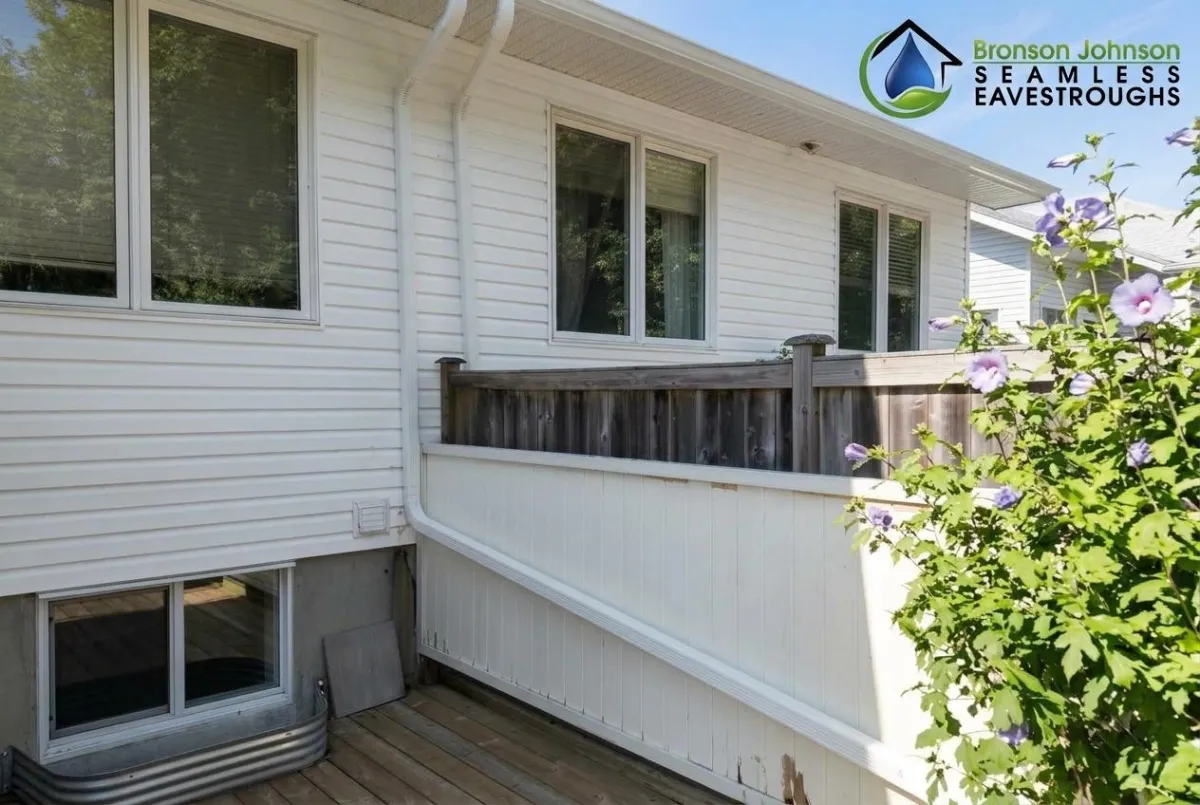
Your home is likely your biggest investment, yet many homeowners overlook one of the simplest systems that protects it every single time it rains: the eavestroughs. In this comprehensive guide, you’ll learn what eavestroughs do, why they matter, how to spot problems early, and what to consider when repairing or upgrading them so you can protect your home, your yard, and your peace of mind.
Eavestroughs, also commonly called gutters, are the shallow channels that run along the edge of your roof. Their job is simple but essential: collect rainwater and melting snow and direct it safely away from your home. Without them, water would pour straight off the roof, saturating the soil next to your foundation, splashing mud onto your siding, and potentially seeping into your basement or crawlspace.
When eavestroughs are designed and installed properly, they catch water from the roof and carry it through a gentle slope toward downspouts. The downspouts then channel that water away from your home’s foundation, usually into a drainage system or onto a part of your yard that can safely absorb it. This simple system can be the difference between a dry, comfortable home and costly water damage that creeps in over time.
📌 Key Takeaway: Eavestroughs don’t just manage rain—they protect your foundation, basement, and landscaping every time the weather turns.
For individual homeowners and families, eavestroughs are not just a finishing touch on the exterior. They quietly guard some of the most important parts of your property. When they work well, you’re less likely to face:
Foundation issues caused by water pooling around your home and freezing, expanding, or slowly eroding the soil that supports your foundation walls.
Basement leaks from water pressure building up in the ground outside, eventually finding its way inside through cracks or joints.
Rotting fascia, soffits, and siding when water overflows or backs up behind clogged or damaged eavestroughs, soaking wood and trim instead of draining away.
Landscape damage and soil erosion where heavy runoff carves channels through your garden beds, washes away mulch, and exposes roots.
Ice dams and slippery walkways as poorly drained water refreezes in winter, creating hazardous conditions around your home.
According to the Insurance Bureau of Canada, water damage now accounts for a large share of home insurance claims each year. While not every incident is tied directly to eavestroughs, many are related to poor exterior drainage and unmanaged runoff. Taking care of your eavestroughs is one of the easiest ways to reduce your risk. For more insight into how water damage affects homes, you can review homeowner guidance from the Government of Canada’s resources on flooding and property protection at this federal information page.
“A well-designed drainage system is one of the most effective defences against costly water damage in residential homes.”
— Home maintenance and insurance professionals
Because eavestroughs are up high and easy to ignore, problems often go unnoticed until they cause visible damage. A quick visual check a few times a year can help you catch issues early. As a homeowner, keep an eye out for the following warning signs:
If you see water spilling over the sides of your eavestroughs when it rains, something is wrong. The most common cause is a clog from leaves, twigs, and roof debris. However, overflow can also mean that the troughs are too small for the amount of water coming off your roof, or that they aren’t sloped properly toward the downspouts. Persistent overflow can soak your exterior walls and the ground below, leading to rot and erosion over time.
Eavestroughs should sit snugly against the fascia board. If they appear to be sagging, bowing, or pulling away, it often means they are holding too much weight—usually from standing water, ice, or heavy debris. This can damage both the eavestroughs and the fascia, and if left unaddressed, sections may eventually detach in a storm or under the weight of snow and ice.
Small cracks or rust spots might not look serious, but they allow water to drip where it shouldn’t. Over time, these weak points can grow, especially in climates with freeze–thaw cycles. If you notice frequent dripping from the underside of your eavestroughs even when seams look intact, there may be hidden pinholes or corrosion that need attention.
Water that escapes your eavestroughs instead of flowing through them often runs down the exterior walls. Over time, this can cause paint to bubble and peel or leave dark streaks and staining on siding and brick. If you notice discolouration below your roofline, it may be a sign that your eavestroughs are leaking, overflowing, or improperly positioned.
After a rainstorm, take a walk around your home. Do you see puddles forming near the foundation? Are your downspouts discharging water right beside the house instead of further away? Standing water near the foundation is a red flag. It may mean your eavestroughs and downspouts are not directing water far enough from your home, increasing the risk of basement moisture or structural problems down the road.
💡 Pro Tip: The best time to spot eavestrough issues is during or right after a steady rain—grab an umbrella and do a slow lap around your home.
If you’re considering new eavestroughs, you’ll quickly encounter two main styles: sectional and seamless. Understanding the difference helps you make a confident, informed decision for your home and your budget.
Sectional systems are made up of shorter pieces that are joined together along your roofline. You’ll often find them in hardware stores in pre-cut lengths. While they can be more accessible for DIY projects, every joint is a potential weak spot where leaks and clogs can develop. Over time, the sealant at these joints may dry out, crack, or separate, especially in climates with temperature extremes.
Seamless eavestroughs are custom-formed on-site from a single continuous piece of metal for each run of your roofline. That means fewer joints, fewer opportunities for leaks, and a smoother appearance. For individual homeowners who want a low-maintenance, long-lasting solution, seamless systems are a popular choice. They are measured and cut specifically for your home, then installed with brackets and fasteners designed to support the weight of water and seasonal debris.
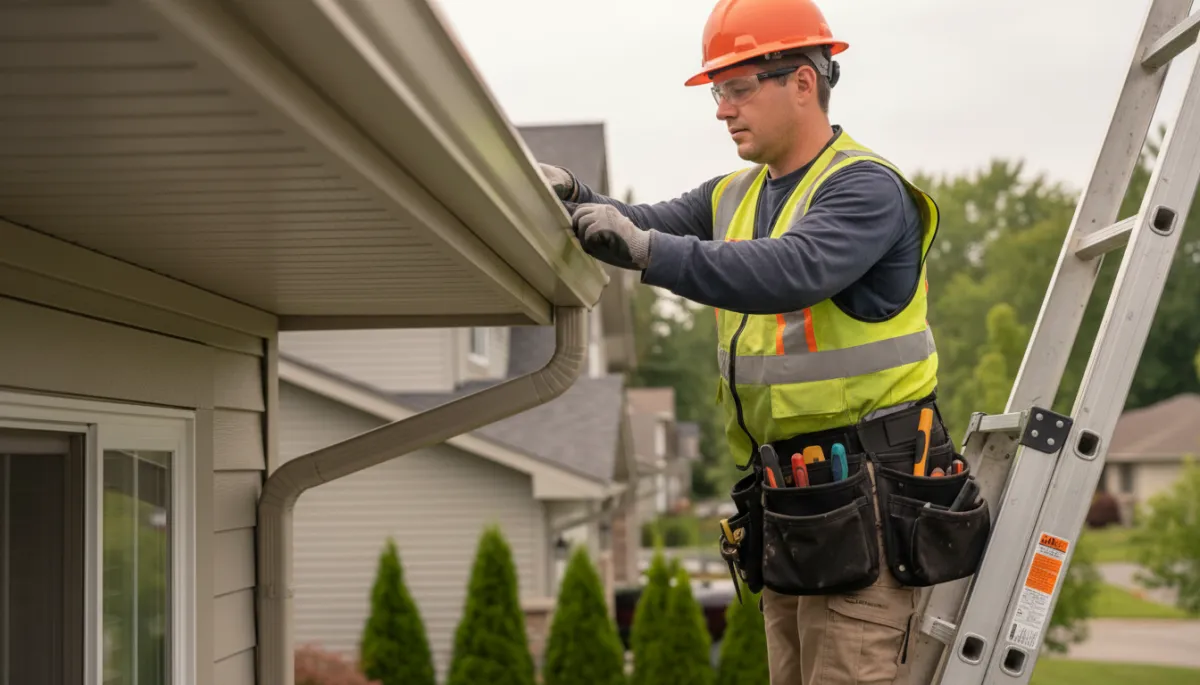
Professional installation ensures your seamless eavestroughs drain properly and protect your home.
From a consumer perspective, seamless eavestroughs typically require less frequent repair, offer a cleaner look, and can add to your home’s curb appeal. While the upfront cost may be higher than basic sectional systems, many homeowners find that the reduced maintenance and improved reliability make them a smart long-term investment.
Beyond the structure of your eavestroughs, you’ll also choose the material and colour. For most homeowners, the goal is to combine durability with a look that suits the home’s architecture and exterior palette.
Aluminum: Lightweight, rust-resistant, and available in many colours. Aluminum is one of the most popular choices for seamless systems because it balances cost, durability, and appearance.
Steel: Strong and durable, often used where extra toughness is needed. Galvanized steel can be resistant to impact but may require more maintenance to prevent rust, especially if the coating is scratched.
Copper: A premium material with a distinctive look that develops a natural patina over time. Copper eavestroughs are often chosen for heritage homes or high-end properties where aesthetics are a top priority.
Many homeowners prefer eavestroughs that blend quietly into the roofline, choosing neutral colours that complement the fascia and siding. Others may opt for a subtle contrast to highlight architectural details. When selecting colours, consider the tone of your roof shingles, trim, and exterior walls. A coordinated palette can make the entire home look more polished and intentional from the street.
For inspiration and guidance on exterior colour choices, you may find resources from organizations like the American Coatings Association’s colour selection articles helpful as you think about how your eavestroughs fit into the overall look of your home.
Even the best eavestrough system needs occasional care. The good news is that a few simple habits can dramatically extend the life of your eavestroughs and reduce the risk of surprise repairs or water damage. As a homeowner, you don’t have to become an expert—you just need a basic routine and the right support when you need it.
For most homes, eavestroughs should be checked at least twice a year—typically in the spring and fall. If your property has many trees, you may need more frequent cleanings. The goal is to remove leaves, twigs, and other debris that could block the flow of water. While some homeowners clean their own eavestroughs, it’s important to consider safety. Working on ladders can be risky, especially on uneven ground or in wet conditions. If you’re uncomfortable with heights or unsure about your footing, hiring a professional is a smart choice.
💡 Safety Tip: If you do choose to inspect your eavestroughs yourself, always use a sturdy ladder on level ground, keep three points of contact, and avoid working alone. Never lean out to the side to reach further than is comfortable—climb down and move the ladder instead.
Between cleanings, you can keep an eye out for subtle changes. Do you notice new drips during rainstorms? Are there small plants or moss starting to grow in your eavestroughs? Have you spotted new stains on your siding or fascia? These are all clues that your system might not be draining as effectively as it should. Addressing small issues early is almost always less expensive and less disruptive than waiting for a major failure.
In areas with heavy foliage, many homeowners choose to add leaf guards or covers to their eavestroughs. These products are designed to reduce the amount of debris that can enter the troughs while still allowing water to flow freely. While they don’t eliminate the need for maintenance entirely, they can significantly cut down on cleaning frequency and help prevent clogs. The right solution depends on your roof type, local climate, and the kinds of trees around your home, so it’s helpful to discuss options with an experienced installer.
One of the most common questions homeowners ask is whether their eavestroughs can be repaired or if they should be replaced entirely. The answer depends on the age of the system, the extent of the damage, and how well it was installed in the first place.
A small section has been bent or dented by a ladder or falling branch, but the rest of the system is in good shape.
A single seam is leaking and can be resealed properly by a professional.
A downspout has become disconnected or misaligned and needs to be rehung or extended further from the foundation.
Your eavestroughs are old, rusted, or have multiple leaks and patches, suggesting they’re at the end of their lifespan.
The system was never properly designed for your roof, leading to chronic overflow or standing water even after cleaning.
You’re planning other exterior upgrades—such as a new roof or siding—and want a coordinated, long-term solution that improves both protection and curb appeal.
In many cases, homeowners discover that replacing an aging, problem-prone system with seamless eavestroughs offers better value than repeatedly repairing older sectional gutters. A modern, well-installed system can provide more reliable protection and require less attention over the years, which is especially appealing for busy families who want peace of mind without constant upkeep.
Where you live plays a big role in how your eavestroughs perform and how often they need attention. In regions with heavy snowfall, frequent freeze–thaw cycles, or intense summer storms, the demands on your drainage system are higher. For example, repeated freezing and thawing can cause trapped water to expand and contract, stressing seams and fasteners. Heavy downpours can quickly overwhelm undersized or poorly sloped eavestroughs, leading to overflow and erosion around your foundation.
If you’re curious about how changing weather patterns might affect rainfall and storm intensity in your area, you can explore climate trend information from sources like Climate Atlas of Canada, which provides accessible data and maps for many regions. Understanding your local climate helps you choose eavestrough materials, sizes, and layouts that are robust enough for the conditions your home faces year after year.
For most homeowners, hiring a professional installer is the safest and most effective way to upgrade or replace eavestroughs. A skilled installer brings not only the right tools and equipment, but also the experience to design a system tailored to your home’s roofline, architecture, and drainage needs. When you’re comparing companies, consider the following factors:
Experience and specialization: Look for a company that focuses on eavestroughs and has a track record of successful installations in your area, rather than a general contractor who only occasionally installs gutters.
Quality materials: Ask which materials they use, what thickness of metal they recommend, and whether their products are designed for your climate and roof type.
Installation methods: A reputable installer will explain how they secure eavestroughs to your home, how they ensure proper slope, and how they handle transitions around corners, dormers, and other architectural features.
Warranty and support: Find out what kind of warranty they offer on materials and workmanship, and how they handle follow-up service if you have questions or concerns after the installation.
Reviews and referrals: Take a few minutes to read reviews from other homeowners and, if possible, speak with neighbours or friends who have had similar work done. Their experiences can give you valuable insight into reliability, communication, and overall satisfaction.
Eavestrough installation is about more than just attaching metal to your roofline—it’s about creating a complete drainage strategy that protects your home from top to bottom. Choosing a company that understands this bigger picture can make a significant difference in how well your system performs over the long term.
If you’re thinking about new eavestroughs, it helps to have a clear sense of what the project involves. Most residential installations can be completed in a day or two, depending on the size and complexity of your home. Your installer will typically start with a site visit to measure your roofline, assess your current system, and discuss your goals and preferences. From there, they’ll provide a detailed quote outlining the scope of work, materials, and estimated timeline.
In terms of budget, costs vary based on factors such as the length of eavestrough required, the material you choose, the number of downspouts, and any additional features like leaf guards or special drainage solutions. While it can be tempting to focus on the lowest price, remember that quality materials and skilled installation often pay off in fewer repairs and better performance over the years. Investing a bit more upfront can save you from the frustration and expense of ongoing issues later on.
To make things easier, here is a simple checklist you can use as you think about your own home’s eavestroughs. You don’t need to be an expert—just work through each point and note where you might need more information or professional help.
Visual inspection: Walk around your home and look for sagging sections, peeling paint, stains, or obvious leaks during and after rain.
Foundation check: After a storm, check for standing water near your foundation or damp spots in your basement walls or floor.
Maintenance history: When were your eavestroughs last cleaned or inspected? If you’re not sure, it may be time to schedule a professional checkup.
Age and condition: If your system is older, made of thin or rusting metal, or has been patched repeatedly, consider whether replacement might be more cost-effective than ongoing repairs.
Future plans: Are you planning other exterior projects, like a new roof or siding? Coordinating eavestrough work with these upgrades can help you achieve a cohesive look and more efficient installation.
If you’d like to deepen your understanding of general home maintenance and how different exterior systems work together, homeowner education resources such as Canada Mortgage and Housing Corporation’s maintenance guides can be a helpful complement to the information in this article.
For many homeowners, eavestroughs are easy to forget—until something goes wrong. Yet these simple channels play a powerful role in protecting your home from water damage, preserving your landscaping, and maintaining a comfortable, healthy living environment. By understanding how they work, watching for early signs of trouble, and investing in quality installation and maintenance, you can enjoy the confidence that comes from knowing your home is well protected from the elements.
Whether you’re dealing with overflowing gutters, planning a full exterior refresh, or simply want to be proactive about your home’s long-term health, taking a closer look at your eavestroughs is a smart place to start. A well-designed seamless system tailored to your home can provide years of reliable performance with minimal upkeep, helping you avoid the stress and expense of preventable water damage. Contact Bronsonjohnson Seamless Eavestoughs now to get your free quote!
Bronson Johnson Seamless Eavestroughs Ottawa specializes in seamless eavestrough installation, eavestrough replacement, leaf-guard systems, and soffit and fascia repairs. Serving homeowners across Ontario with care and craftsmanship. With a 20-year material warranty, 5-year workmanship guarantee. Full licensing and insurance with A+ BBB rating and backed by over 397 verified HomeStars 5-star reviews. You’re not just getting new gutters—you’re getting peace of mind that lasts.
Protecting homes with Expert Eavestrough Ottawa, Soffit, and Fascia services.
📅 Serving the community since 2010 | Privacy Policy


Copyright ©2026 Bronson Johnson . All Rights Reserved. Designed by Optimized Websites