Latest Articles
Need Expert Help with Your Ottawa Home's Exterior?
Get a Free Estimate

Your Source for Expert Tips, Insights, and Advice on Maintaining and Enhancing Your Home's Exterior in Ottawa.
Home Improvement, Exterior Design, Soffit
Soffit is one of those exterior elements most homeowners rarely think about—until there’s a problem. Yet this seemingly simple surface beneath your roof overhang plays a critical role in protecting your home, keeping your attic dry and well-ventilated, and polishing your home’s overall look. This in-depth guide explains what soffit is, why it matters, the different materials available, and how to keep it in great shape for years to come.
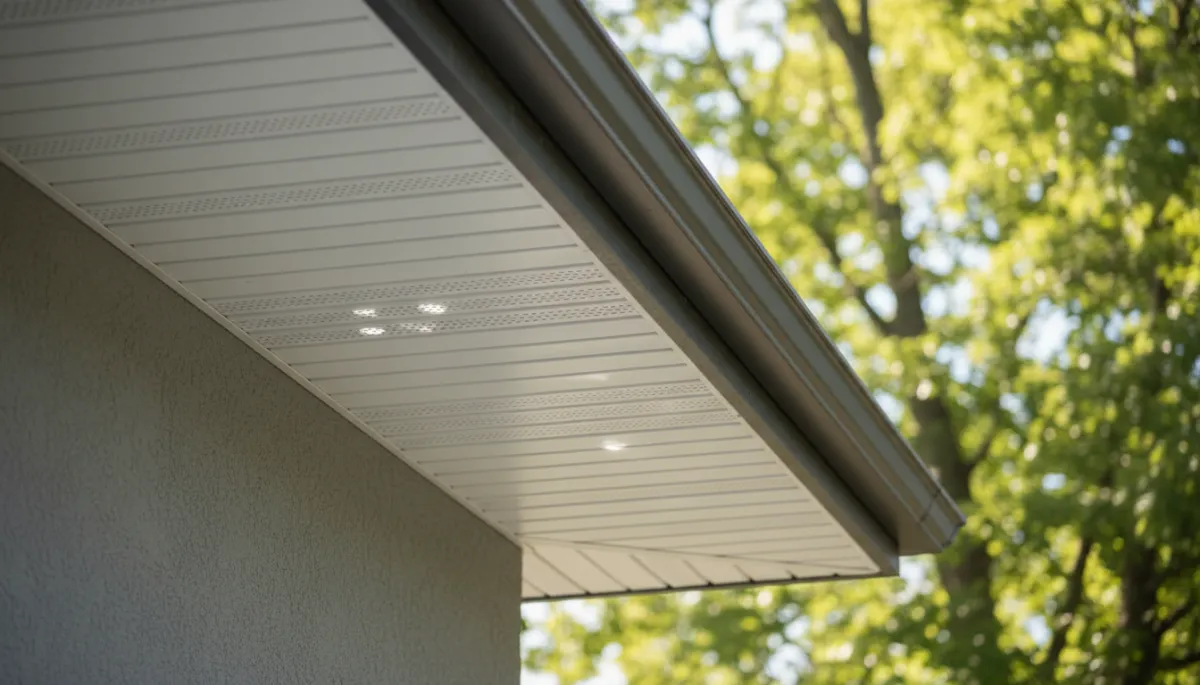
In simple terms, soffit is the finished surface on the underside of your roof’s overhang. If you stand next to an exterior wall and look straight up under the eaves, the horizontal or slightly sloped panel you see is the soffit. It bridges the gap between the edge of your roof and the exterior wall, creating a neat, enclosed underside to the overhang rather than leaving rafters and framing exposed.
Soffit works hand in hand with fascia (the vertical board that the gutters attach to) and the roof system above. Together, these components form a protective envelope that shields your home from weather, pests, and moisture while also managing airflow into and out of the attic space. Although soffit is often painted or finished to match trim, it is far more than a decorative detail.
One of the most important jobs soffit performs is ventilating your attic. Many soffit panels are perforated or designed with narrow slots that allow fresh outside air to flow into the attic. This air then moves up and out through roof vents or ridge vents, constantly circulating and preventing heat and moisture from building up under the roof deck.
Proper attic ventilation helps:
Reduce the risk of ice dams in winter by keeping the roof surface cooler and more consistent in temperature
Prevent moisture buildup that can lead to mold, mildew, and rot in roof framing and insulation
Improve energy efficiency by helping your home stay cooler in summer and reducing strain on your air conditioning system
For a deeper dive into how attic ventilation works, the U.S. Department of Energy offers a helpful overview of roof and attic strategies at this page on home ventilation.
Without soffit, the underside of your roof overhang would be exposed, leaving rafters, sheathing, and sometimes insulation vulnerable. Enclosed soffit acts as a barrier against:
Wind-driven rain and snow that could otherwise be forced up under the roof edge and into vulnerable areas
Birds, squirrels, wasps, and insects looking for sheltered places to nest or enter the attic
Debris such as leaves and twigs that might otherwise accumulate and trap moisture
When soffit is damaged or missing, these threats can quickly lead to wood rot, stained siding, and even interior leaks. That’s why maintaining intact, well-sealed soffit is so important for the long-term health of your home’s exterior.
While function comes first, appearance still matters. Soffit contributes to the visual “frame” of your home, tying together the roofline, trim, and siding. Clean, well-aligned soffit panels in a coordinated color help your home look finished and well-maintained. Conversely, sagging, stained, or mismatched soffit can make even a newer home look tired and neglected from the street.
💡 Pro Tip: When choosing soffit colors, consider matching your fascia or trim for a unified look, or select a slightly lighter shade to visually lift and brighten the eaves.
Soffit can be made from several different materials, each with its own benefits, maintenance needs, and price point. Understanding your options will help you choose the best fit for your climate, budget, and design preferences.
Vinyl soffit is one of the most popular choices for modern homes. It is lightweight, relatively affordable, and available in a variety of colors and profiles, including solid and fully or partially vented panels. Vinyl is resistant to rot, peeling, and insect damage, and it never needs to be painted, making it a low-maintenance option for many homeowners.
Pros: Low maintenance, budget-friendly, wide color selection, easy to clean, good for many climates
Cons: Can crack in extreme cold, may fade over many years, less rigid than metal options
Aluminum soffit offers a durable, lightweight metal solution that resists rust and won’t warp or crack with temperature changes. It’s often used in conjunction with aluminum fascia and is available in a range of factory-applied colors and finishes. Aluminum panels can be manufactured as solid or vented, or a mix of both, depending on your ventilation needs.
Pros: Strong and stable, excellent for harsh climates, fire-resistant, long-lasting finish when properly installed
Cons: Can dent from impact, usually costs more than vinyl, may require touch-up paint if finish is scratched
Wood soffit offers a warm, traditional appearance that many homeowners love, especially on older homes or custom builds. It can be made from plywood, tongue-and-groove boards, or other wood products. Wood soffit must be painted or stained and carefully maintained to protect against moisture and insects.
Pros: Classic, natural look; can be customized with paint or stain; ideal for heritage or high-end designs
Cons: Requires regular maintenance, vulnerable to rot and pests if neglected, often more expensive over time
Some manufacturers produce fiber cement soffit or other engineered panels designed to mimic wood while offering greater durability. Fiber cement is highly resistant to fire, insects, and rot, and can be painted in virtually any color. It is heavier than vinyl or aluminum and usually requires professional installation due to cutting and dust considerations.
Pros: Very durable, holds paint well, stable in varying temperatures, attractive wood-like appearance
Cons: Heavier and more labor-intensive to install, often higher upfront cost, must be painted or prefinished
If you’re comparing materials, it can be helpful to look at independent guidance on exterior cladding and trim durability. For example, this preservation brief from the U.S. National Park Service discusses aluminum and vinyl products in the context of historic buildings, but many of the durability insights apply broadly to modern homes as well.
When planning soffit, you’ll often choose between vented and solid panels—or more commonly, a combination of both. The goal is to allow enough cool, dry air to enter the attic while still protecting against weather and pests. Many homes use continuous vented soffit along the eaves, paired with ridge vents at the roof peak, to create a balanced intake and exhaust system.
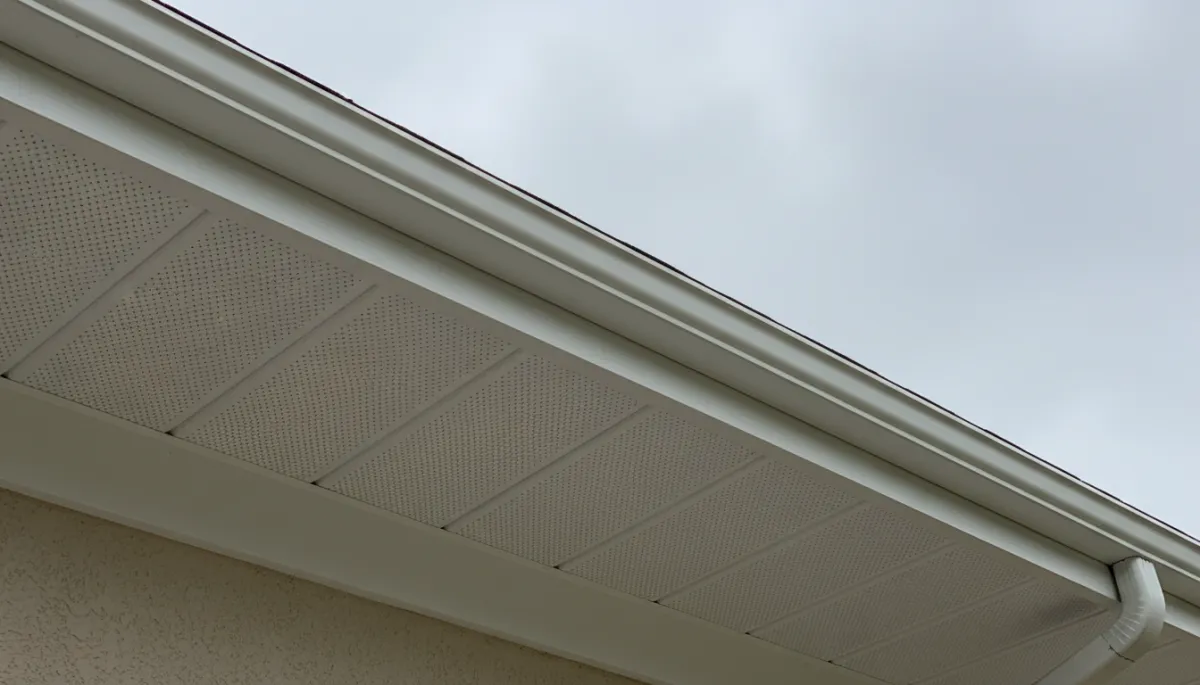
Close-up -color photograph of a home’s eaves showing perforated white soffit panels and matching...
Perforated soffit panels provide discreet, continuous ventilation along the roof overhang.
Building codes in many regions specify minimum ventilation requirements based on attic size. A common rule of thumb is to provide at least 1 square foot of net free vent area for every 150 square feet of attic floor space, though exact requirements can vary. To ensure compliance and performance, it’s wise to consult local building codes or a qualified contractor familiar with your climate and roof design.
📌 Key Takeaway: Vented soffit is essential for most homes, but placement and total vent area should be carefully planned to work with your roof vents and insulation strategy.
Because soffit is out of direct sight, problems can go unnoticed until they become serious. Regularly walk around your home and look up under the eaves for any of the following warning signs:
Peeling paint or bubbling finishes on wood soffit, which may indicate trapped moisture or poor ventilation
Soft spots, sagging panels, or visible rot, especially near roof edges or where gutters overflow
Cracks, holes, or missing sections that could allow pests or water to enter
Staining or streaks that suggest water has been running behind gutters or down the fascia and onto the soffit
Nests, droppings, or insect activity indicating that birds, rodents, or insects have found a way in
Inside the home, chronic attic condensation, musty odors, or ice dams in winter can also point to insufficient soffit ventilation or blocked vents. Addressing these issues early can prevent costly damage to your roof, insulation, and interior finishes.
The good news is that soffit is generally low-maintenance, especially when made from vinyl, aluminum, or other durable materials. A few simple habits will help keep it functioning and looking its best year-round.
Clogged or overflowing gutters can cause water to back up under the roof edge and over the fascia, eventually soaking the soffit. By keeping gutters clear of leaves and debris and ensuring downspouts are flowing properly, you reduce the risk of water damage to your soffit and roof structure. Many homeowners schedule gutter cleaning at least twice per year—once in spring and once in fall—to stay ahead of buildup.
Over time, soffit can collect dust, spider webs, and stains from airborne dirt or algae. Use a garden hose with a gentle spray and a soft-bristle brush or sponge to wash vinyl or aluminum soffit. Avoid forcing water directly into vent openings, as this can push moisture into the attic. For wood or fiber cement, follow the manufacturer’s recommendations and avoid harsh pressure that could damage paint or sealants.
If your home has wood soffit, inspect the paint or stain every couple of years. Look for peeling, cracking, or bare spots where moisture could penetrate. Scrape and repaint as needed, and make sure caulking around joints and transitions remains intact. Regular upkeep like this can extend the life of wood soffit significantly and preserve its appearance.
Whether your soffit is perforated or uses discrete vent panels, make sure the openings remain unobstructed. Paint overspray, insulation pushed too far into the eaves, or even bird nests can all block airflow. If you’re planning attic insulation upgrades, ask your installer about using baffles or vent chutes to keep soffit ventilation clear while still achieving good insulation coverage. The Canada Mortgage and Housing Corporation, for instance, highlights the importance of maintaining clear venting in their home maintenance resources.
When problems arise, you’ll need to determine whether a targeted repair is sufficient or if a more extensive replacement is the smarter long-term choice. The answer depends on the extent of the damage, the material involved, and the age of your current soffit and fascia system.
A few cracked or loose vinyl or aluminum panels that can be refastened or replaced individually
Isolated wood rot confined to a small section, with surrounding wood still solid and dry
Minor staining from a past gutter issue that has since been resolved
In these cases, a contractor can typically remove and replace only the affected sections, matching the existing material and color as closely as possible. This approach is cost-effective and minimizes disruption, especially when the rest of your soffit system is in good condition.
Widespread rot or moisture damage across multiple areas, especially in older wood soffit systems
Chronic ventilation issues, ice dams, or attic condensation linked to insufficient or poorly placed soffit vents
A major exterior renovation where you’re updating siding, fascia, and gutters at the same time for a cohesive look and performance upgrade
Full replacement allows you to choose modern, low-maintenance materials, optimize vent placement and coverage, and coordinate colors with new siding or trim. It’s also an opportunity for a contractor to inspect the underlying roof edge, rafters, and sheathing for hidden issues before installing the new soffit system.
💡 Pro Tip: If you’re replacing gutters or fascia, it’s often most efficient to address soffit at the same time, since all three elements meet at the roof edge and work together to protect your home.
Every home is different, but a few key factors can help guide your soffit decisions:
Climate: In regions with heavy snow, ice, or strong winds, durable materials like aluminum or high-quality vinyl are often preferred. In very hot, sunny climates, UV-resistant finishes and lighter colors can help manage heat and fading.
Home Style: Traditional or heritage homes may call for wood or fiber cement soffit with a more classic profile, while contemporary designs often pair well with sleek vinyl or aluminum panels in crisp, neutral tones.
Maintenance Preferences: If you prefer a “set it and forget it” approach, low-maintenance materials that never need painting are a smart choice. If you enjoy customizing colors and finishes over time, paintable options like wood or fiber cement may appeal to you.
Budget: Vinyl is typically the most budget-friendly, with aluminum and fiber cement often costing more upfront. However, durability and reduced repainting can offset some of those costs over the long term.
A qualified exterior contractor can assess your roofline, attic ventilation, and existing materials to recommend a soffit solution tailored to your home. They can also help you understand how soffit interacts with other elements like roof underlayment, drip edge, and gutter systems to create a complete weather-protective assembly.
While handy homeowners may be tempted to tackle soffit work themselves, it’s important to weigh the risks and complexity. Soffit installation often involves working at heights on ladders or scaffolding, handling long panels, and making precise cuts around corners, rooflines, and existing trim. Poorly installed soffit can trap moisture, block ventilation, or fail prematurely, undoing the protective benefits it’s meant to provide.
Professional installers bring the right tools, safety equipment, and experience to ensure soffit panels are securely fastened, properly ventilated, and neatly integrated with fascia and gutters. They can also spot related issues—such as damaged roof decking, inadequate flashing, or misaligned gutters—that should be corrected at the same time. For many homeowners, the peace of mind and long-term performance gained from professional soffit installation is well worth the investment.
Soffit may not be the most glamorous part of your home’s exterior, but it is undeniably one of the most important. By enclosing the underside of the roof overhang and providing a pathway for fresh air into the attic, soffit quietly protects your home from moisture, pests, and structural damage. At the same time, it contributes to a clean, finished roofline that enhances curb appeal and complements your siding, trim, and gutters.
Whether you’re dealing with aging wood soffit, planning a full exterior makeover, or simply curious about improving your home’s ventilation, understanding soffit is a smart first step. For additional background on how all the parts of your roof system work together, the Roofing 101 guide from CertainTeed offers a helpful overview of components like underlayment, flashing, and ventilation that complement a well-designed soffit system.
When you’re ready to upgrade or repair your soffit, partnering with an experienced exterior specialist ensures the job is done safely, efficiently, and with an eye toward long-term performance. From selecting the right materials and colors to fine-tuning ventilation and integrating with gutters and fascia, professional guidance can help you get the most value from this often-overlooked part of your home.
Contact Bronsonjohnson Seamless Eavestoughs now to get your free quote!
Bronson Johnson Seamless Eavestroughs Ottawa specializes in seamless eavestrough installation, eavestrough replacement, leaf-guard systems, and soffit and fascia repairs. Serving homeowners across Ontario with care and craftsmanship. With a 20-year material warranty, 5-year workmanship guarantee. Full licensing and insurance with A+ BBB rating and backed by over 397 verified HomeStars 5-star reviews. You’re not just getting new gutters—you’re getting peace of mind that lasts.
Protecting homes with Expert Eavestrough Ottawa, Soffit, and Fascia services.
📅 Serving the community since 2010 | Privacy Policy


Copyright ©2026 Bronson Johnson . All Rights Reserved. Designed by Optimized Websites