Latest Articles
Need Expert Help with Your Ottawa Home's Exterior?
Get a Free Estimate

Your Source for Expert Tips, Insights, and Advice on Maintaining and Enhancing Your Home's Exterior in Ottawa.
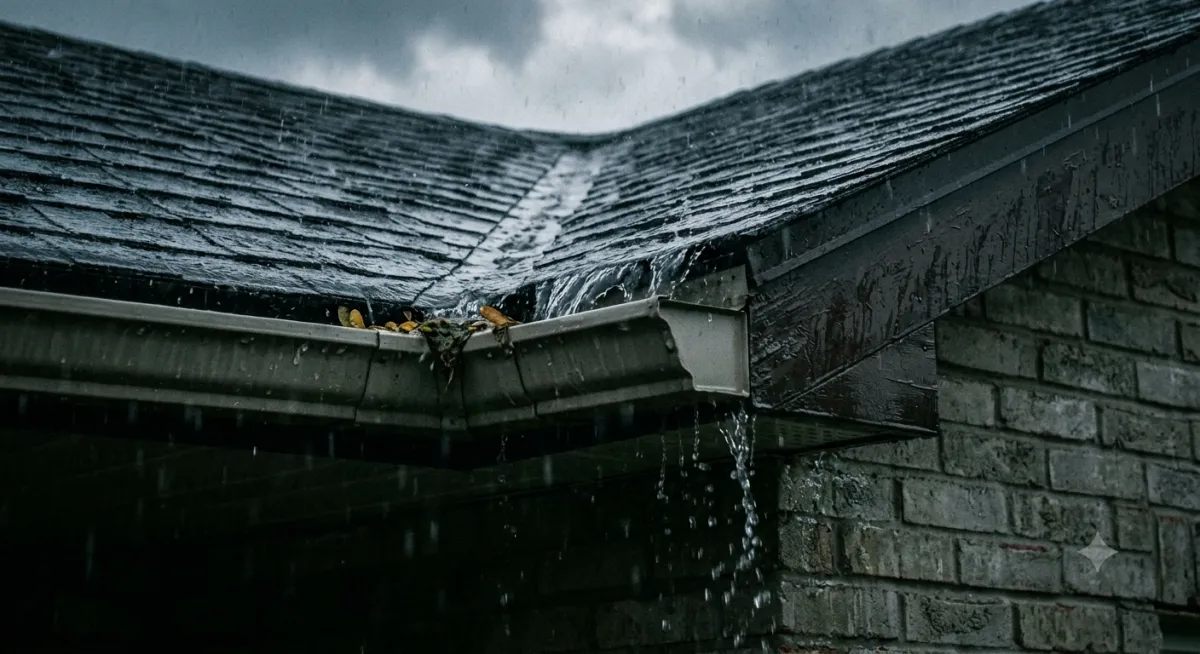
When we think of severe Ottawa weather, our minds usually drift to January ice dams, heavy February snow loads, or the relentless rains of early April. But local homeowners know that our summers pack a different kind of punch.
July in Eastern Ontario is notorious for sudden, violent thunderstorms and microbursts. Unlike a steady spring drizzle, these summer storms drop an immense volume of water—sometimes several inches—in under an hour. When a flash downpour hits, your roof is hit with thousands of liters of rushing water all at once.
Is your drainage system actually prepared to handle a sudden summer deluge, or are you one storm away from a flooded basement? Let’s break down how to get your home storm-ready before the heavy July clouds roll in.
During a standard rainfall, a partially clogged gutter might get by. Water snakes its way around dead leaves and slowly makes its way to the downspout. But a July microburst completely changes the math.
When a massive volume of water hits your roof simultaneously, it creates a high-velocity sheet of water. If your eavestroughs are lined with leftover spring maple keys, pine needles, or silt, that organic debris instantly acts as a dam.
According to historical weather safety guidelines by Environment and Climate Change Canada (weather.gc.ca), summer severe storm systems can escalate within minutes, bringing intense localized precipitation that quickly overwhelms urban infrastructures and residential properties alike.
Instead of channeling the water away, an unmaintained eavestrough fills up like a bathtub within minutes. The water then has nowhere to go but over the edge. It pours over the front casing, destroying your garden beds, or worse—it spills out the back edge, soaking into your wooden fascia boards and running straight down your home’s foundation walls.
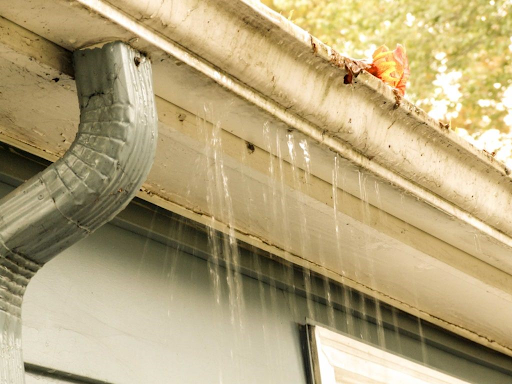
While the gutters catch the water at the roofline, your downspouts are responsible for safely depositing it. This is where many Ottawa homeowners run into trouble during summer storms.
If your downspout extensions are disconnected, damaged, or discharging water too close to your house, a heavy downpour will saturate the soil right next to your foundation. In a matter of minutes, hydrostatic pressure builds up in the soil, forcing water through tiny microscopic cracks in your basement concrete.
To mitigate these heavy localized risks, the City of Ottawa (ottawa.ca) provides specific property guidelines urging residents to properly disconnect downspouts from the sanitary sewer system and extend them safely onto the lawn or garden beds to prevent municipal and residential back-ups.
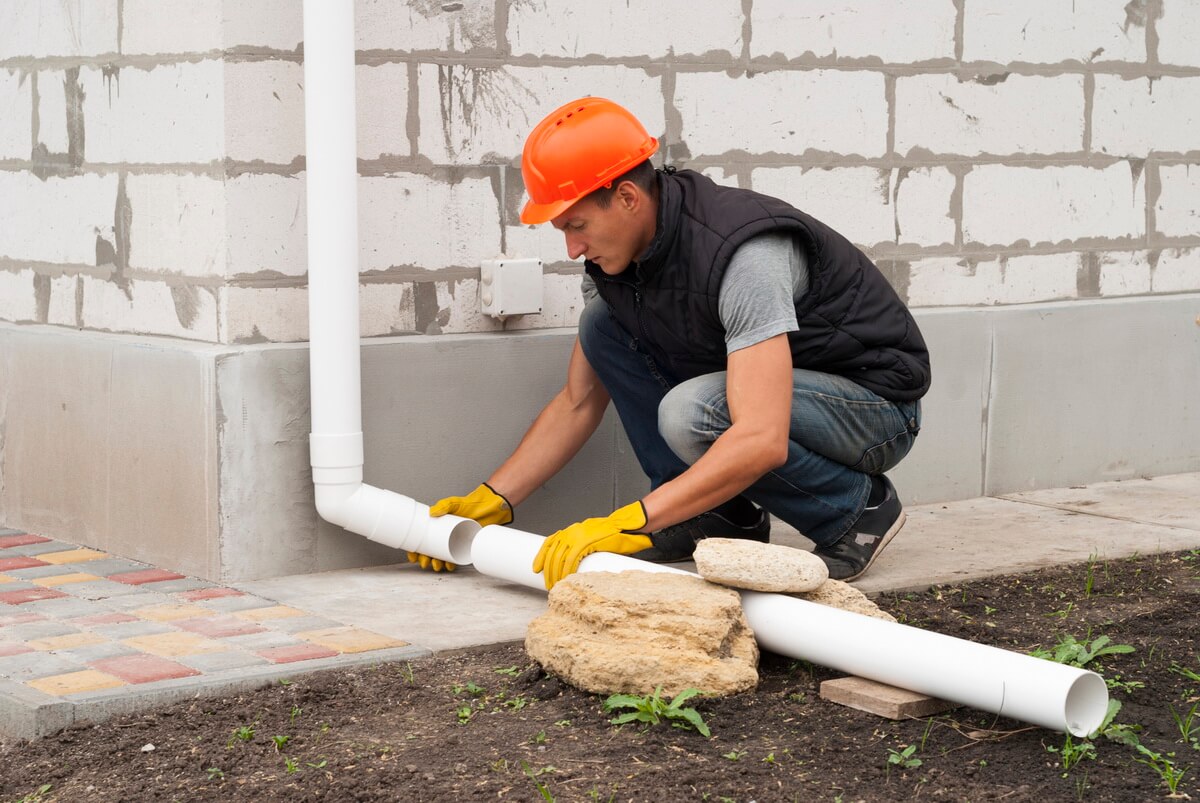
Check the Distance: Ensure your downspout extensions direct water at least 4 to 6 feet away from your foundation walls.
Verify the Slope: Make sure the grading where the downspout empties slopes away from your home, not back toward it.
Clear the Blockages: Check the bottom elbows of your downspouts. Summer critters occasionally nest in them, or compacted debris from spring can get wedged in the bend, causing water to back up all the way to the roof.
When it comes to handling unpredictable summer downpours, the structural design of your gutter system matters. Traditional sectional eavestroughs (the kind bought in pieces from big-box stores) are joined together by seams every 10 feet.
Every single seam creates a slight ridge on the inside of the gutter. This ridge catches small debris, acts as a friction point that slows down water velocity, and eventually becomes a failure point under heavy water weight. For homeowners looking to protect their financial investments, the Insurance Bureau of Canada (ibc.ca) stresses that maintaining a home's exterior water management systems is one of the most critical preventative steps to avoiding costly overland water damage claims.
Custom-engineered, continuous seamless aluminum eavestroughs eliminate this issue entirely:
Uninterrupted Velocity: With zero seams along the straight runs of your roof, water moves rapidly and smoothly toward the downspouts without restriction.
Superior Structural Strength: Heavy July downpours generate immense weight. Seamless gutters are secured with heavy-duty internal hangers screwed directly into your fascia board, preventing the system from sagging or pulling away under maximum load.
Sized for Capital Storms: Professional seamless installations ensure that both the trough depth and downspout sizes are perfectly calculated to handle the specific pitch and square footage of your roofline.
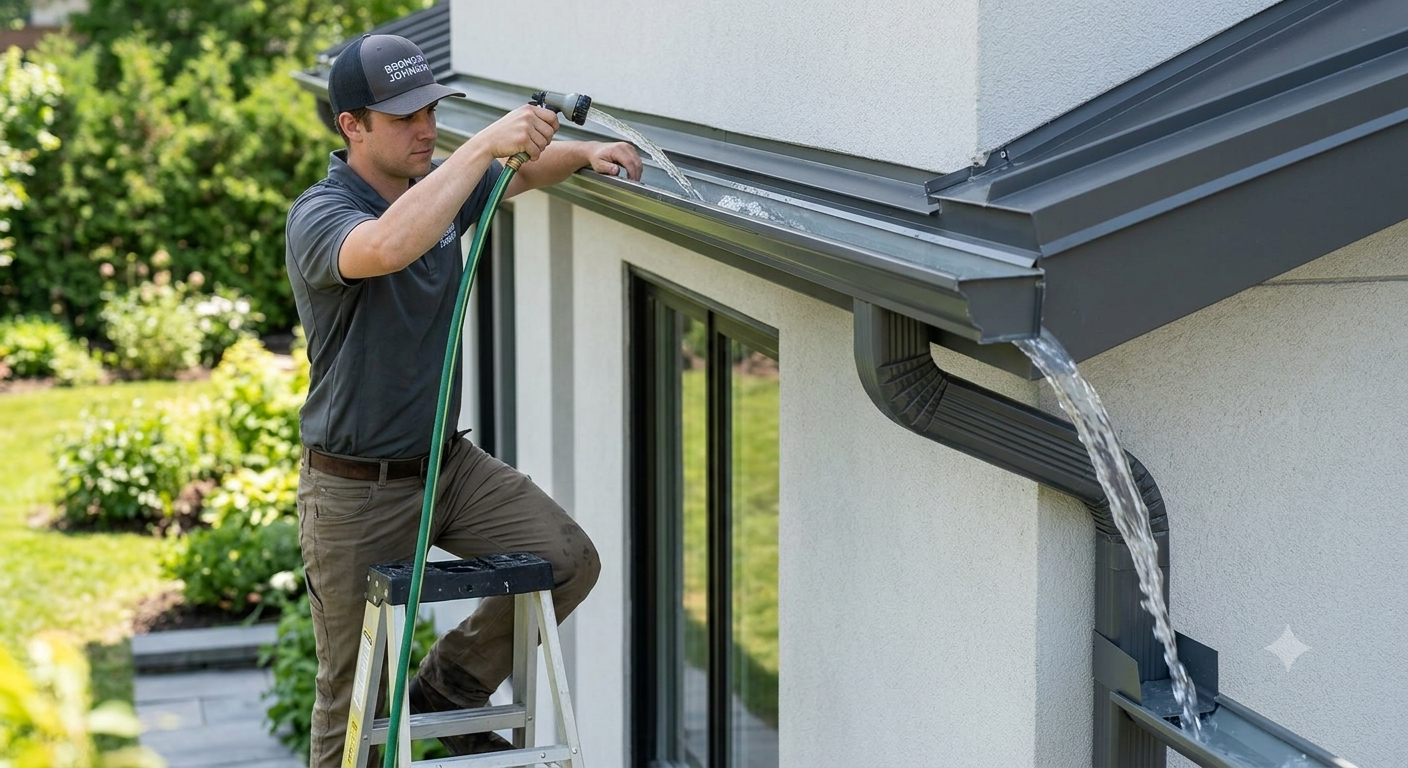
A sudden July thunderstorm gives you zero warning. Taking twenty minutes this weekend to walk around your property, check your downspout extensions, and clear out early summer debris can save you thousands of dollars in emergency foundation repairs.
If your current gutters are sagging, leaking at the seams, or constantly overflowing during heavy rains, it’s time to upgrade your home’s defense system. Give the team at Bronson Johnson Seamless Eavestrough a call today for a custom seamless assessment!
👉Contact the Bronson Johnson team today for a free, hassle-free eavestrough quote!
Bronson Johnson Seamless Eavestroughs Ottawa specializes in seamless eavestrough installation, eavestrough replacement, leaf-guard systems, and soffit and fascia repairs. Serving homeowners across Ontario with care and craftsmanship. With a 20-year material warranty, 5-year workmanship guarantee. Full licensing and insurance with A+ BBB rating and backed by over 397 verified HomeStars 5-star reviews. You’re not just getting new gutters—you’re getting peace of mind that lasts.
Protecting homes with Expert Eavestrough Ottawa, Soffit, and Fascia services.
📅 Serving the community since 2010 | Privacy Policy


Copyright ©2026 Bronson Johnson . All Rights Reserved. Designed by Optimized Websites