Latest Articles
Need Expert Help with Your Ottawa Home's Exterior?
Get a Free Estimate

Your Source for Expert Tips, Insights, and Advice on Maintaining and Enhancing Your Home's Exterior in Ottawa.
Home Improvement, Eavestroughs, Gutters, Exterior Care
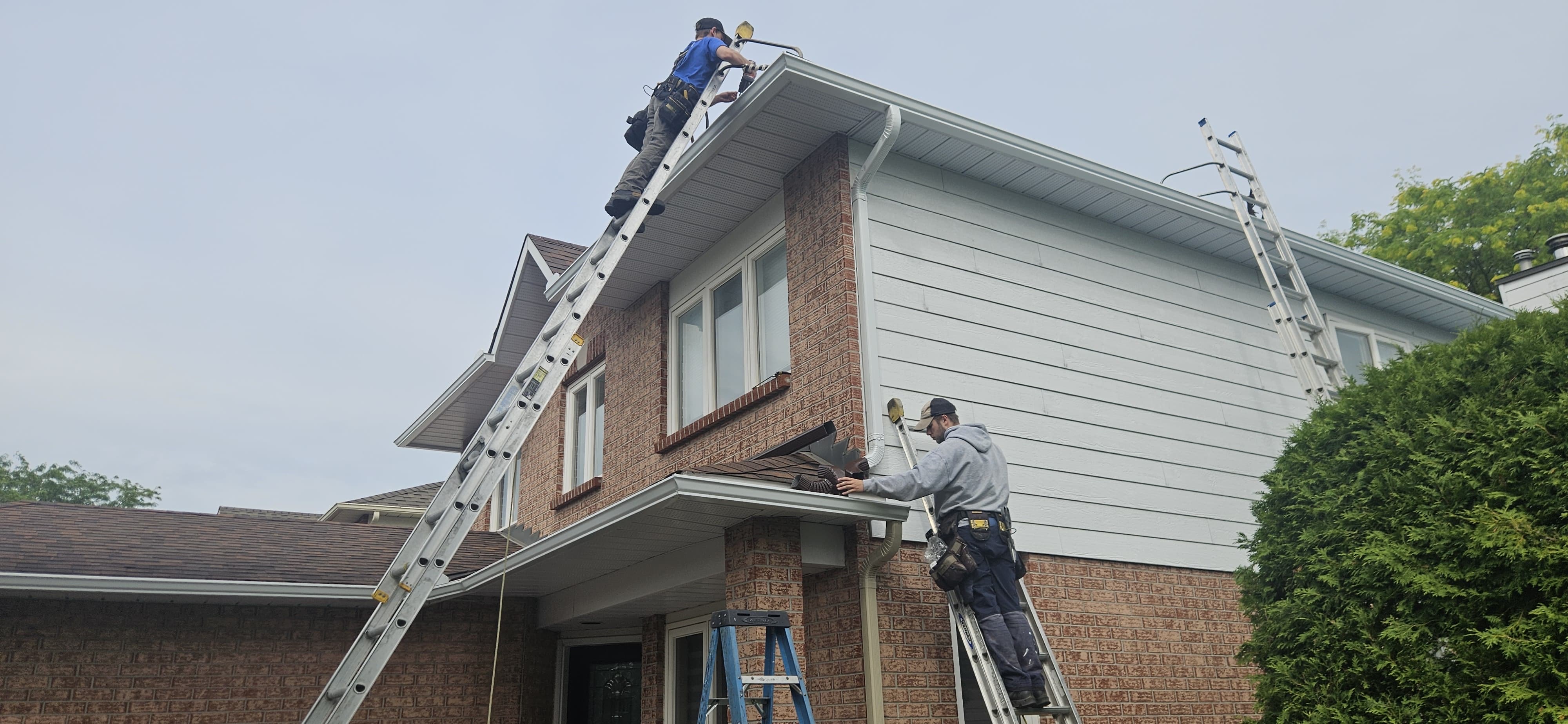
Your roofline is quietly working every time it rains. Eavestroughs, gutters, downspouts, fascia and soffit all play a crucial role in protecting your home from water damage, mould and structural issues. This in‑depth guide explains how each component works, what quality Eavestrough Installation should look like, and how to know when it’s time to repair or upgrade your system.
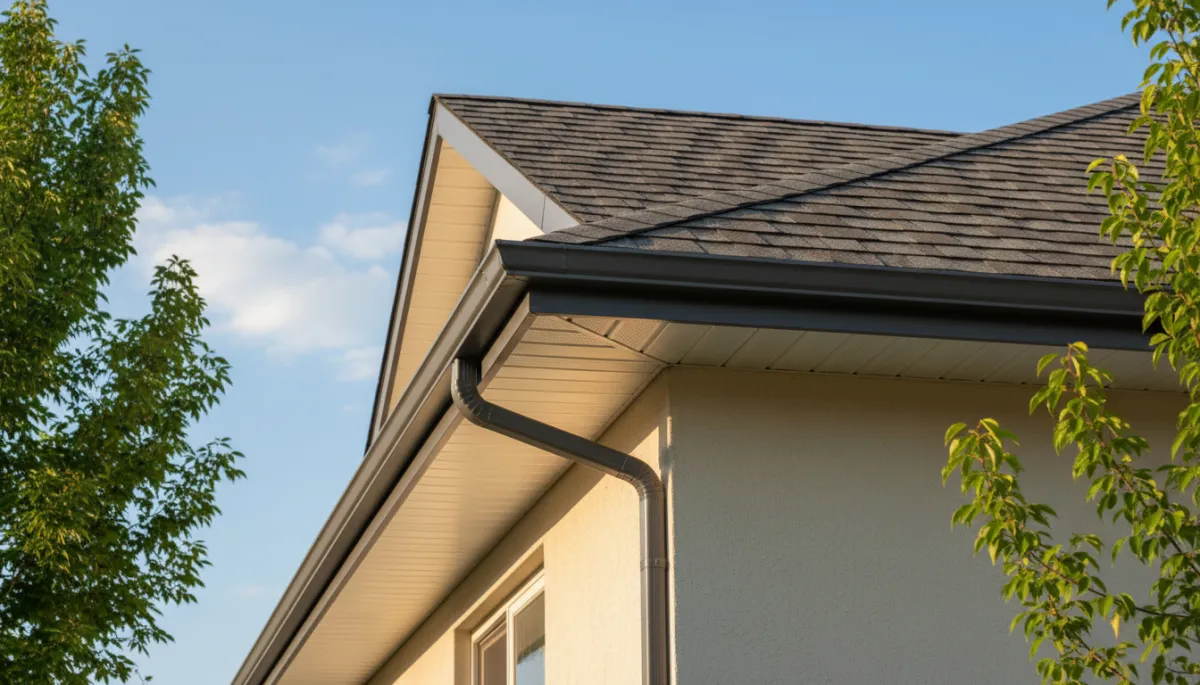
Many homeowners only notice their eavestroughs or gutters when water is pouring over the edge during a heavy storm. By then, the damage may already be underway. A properly designed system of eavestroughs, downspouts, fascia and soffit quietly moves thousands of litres of water away from your home every year. When any piece fails, water can seep into places it should never go: behind siding, into your foundation, along window frames and into attic spaces.
Investing in professional Eavestrough Installation is one of the most cost‑effective ways to protect your home’s structure, finish and resale value. It’s not just about hanging a few gutters; it’s about creating a coordinated system where each component supports the others and performs reliably in every season.
In everyday conversation, the words eavestroughs and gutters are often used interchangeably. Technically, an eavestrough is the channel installed along the edge of your roof’s eaves, designed specifically to catch and direct water. A gutter is a more general term for any open trough that collects and moves water. In residential construction, however, they both refer to the same vital feature that catches rainfall as it runs off your shingles and directs it toward the downspouts.
Whether you call them eavestroughs or gutters, their job is simple: collect water efficiently and move it away from your home. When Eavestrough Installation is done correctly, the troughs are sized for your roof, securely fastened, properly sloped and sealed at every corner and joint. When done poorly, you may see constant dripping, sagging, or even sections pulling away from the fascia board under the weight of water and debris.
Correct sizing: Larger roofs and steep pitches shed more water. Proper eavestroughs and gutters are sized to handle local rainfall without overflowing in typical storms.
Durable materials: Aluminum is common for its balance of strength and weight, but steel and other materials may be used depending on climate and design preferences.
Proper slope: Eavestroughs must be pitched just enough toward the downspout to keep water moving without looking visibly crooked from the ground.
Secure fastening: Hidden hangers or brackets should be spaced correctly so gutters don’t sag when full of water or snow.
Professional Eavestrough Installation takes all of these factors into account, ensuring that your gutters work with your home’s design rather than against it. A well‑planned system will look neat from the street and stand up to years of rain, wind and seasonal changes.
💡 Pro Tip: For a deeper dive into gutter sizing and rainfall data, the Natural Resources Canada site offers useful climate and precipitation resources you can review with your contractor.
While eavestroughs collect the water, the downspout is the vertical pipe that carries it down to ground level and away from your foundation. A beautifully installed gutter is only half the story; if your downspouts are undersized, poorly placed or damaged, water can still pool around your home and cause serious issues over time.
Placement: Downspouts should be positioned at the corners and low points of the eavestroughs, with enough units to handle heavy rainfall without bottlenecks.
Extension: Each downspout should release water several feet away from your foundation, often with an elbow and extension or a buried drain system.
Protection: Screens, leaf guards or strainers at the top of the downspout can help prevent clogs from leaves and debris washing through the gutters.
During a professional Eavestrough Installation, careful attention is paid to downspout layout. A contractor will consider your landscaping, walkways, driveways and grading to make sure the water is directed safely away without creating icy patches in winter or erosion in your garden beds. Properly designed downspouts are both functional and discreet, blending into the exterior of your home while doing an essential job every time it rains.
The fascia is the vertical board mounted along the edge of your roof, just below the shingles. It provides a neat, finished look to the roofline, but more importantly, it offers a solid surface to which your eavestroughs and gutters are attached. If the fascia is rotted, warped or improperly installed, even the best gutter system will struggle to stay in place and perform as intended.
Over time, fascia boards can be damaged by constant exposure to moisture, ice and wind. If water has been overflowing from clogged or poorly sloped eavestroughs, the fascia may already be soft or discoloured. That’s why a comprehensive Eavestrough Installation often begins with assessing the condition of your fascia and, if necessary, replacing it with new, rot‑resistant material before any new gutters are hung.
Visual appeal: Fresh fascia creates a clean, straight line that enhances your home’s curb appeal and frames your roofline beautifully.
Structural support: Strong fascia provides a reliable anchor for gutter hangers, helping prevent sagging and separation over time.
Weather protection: Properly installed fascia closes the gap between your roof and exterior walls, reducing the chance of wind‑driven rain entering vulnerable areas.
When fascia and eavestroughs are replaced together, you get a cohesive system that is both attractive and long‑lasting. This is especially important if you are updating an older home that has seen several decades of weather and patchwork repairs.
If you stand next to an exterior wall and look up under the eaves, you’ll see the soffit. This is the horizontal surface that bridges the gap between your exterior wall and the edge of the roof. While it might seem purely decorative, soffit actually plays a vital role in ventilating your attic and protecting the underside of your roof from weather and pests.
Many soffit panels are vented, allowing fresh air to flow into the attic and circulate out through roof vents. This helps regulate temperature, reduce moisture buildup and extend the life of your roofing materials. At the same time, properly installed soffit creates a sealed barrier that discourages birds, insects and small animals from nesting in your eaves and causing hidden damage.
Energy efficiency: Good attic ventilation through the soffit can help keep your home cooler in summer and reduce the risk of ice dams in winter.
Moisture control: By allowing moist air to escape, soffit ventilation helps prevent condensation, mould growth and wood rot in your roof structure.
Finished appearance: Clean, coordinated soffit panels in neutral colours give your home a polished, modern look that ties together the roof and walls.
When updating eavestroughs, gutters and fascia, it often makes sense to update soffit at the same time. This ensures consistent colour, style and performance across your entire roofline, and it allows your contractor to address any hidden issues in the eaves before they become larger problems.
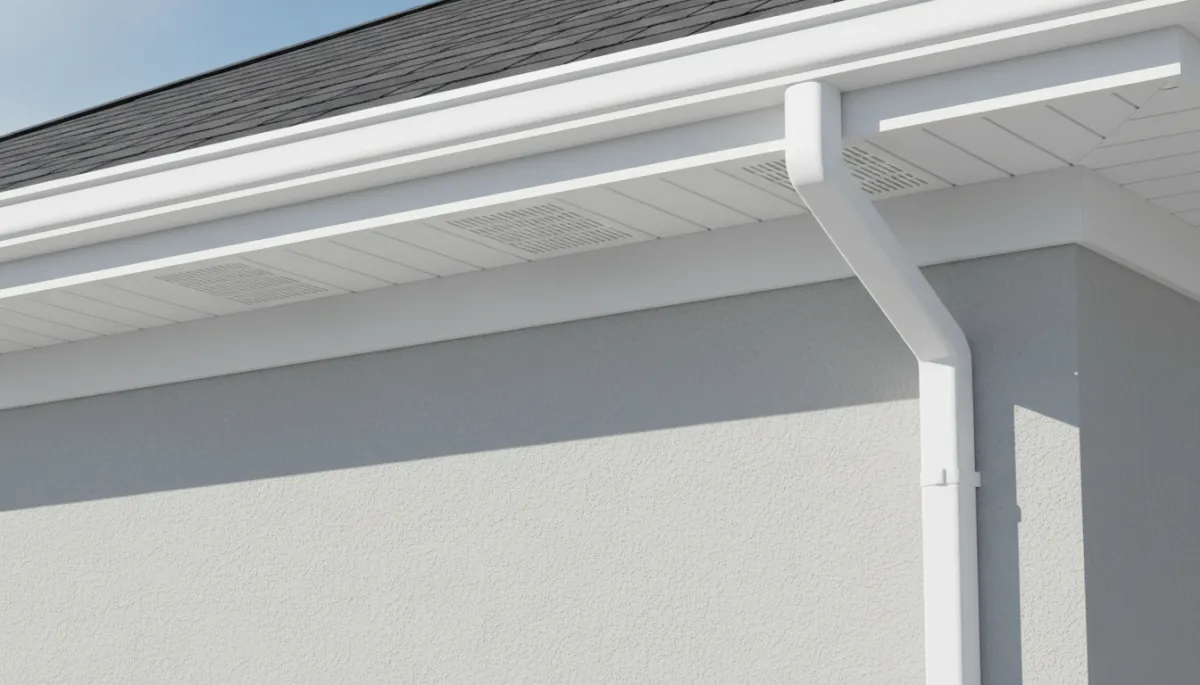
Coordinated roofline upgrades protect your home while enhancing curb appeal for years.
A reliable contractor begins every Eavestrough Installation with a thorough inspection. They’ll walk the perimeter of your home, examine existing gutters, downspouts, fascia and soffit, and look for signs of water damage, staining or rot. They also consider the roof pitch, total roof area and where water naturally wants to flow during a storm. This information guides the design of your new system, including gutter size, downspout placement and any additional drainage solutions needed at ground level.
Before new gutters go up, the old ones must come down. This is the perfect time to examine the condition of the fascia and soffit beneath. If there is evidence of rot, peeling paint, insect damage or warping, your installer will recommend repairing or replacing these components. Skipping this step can shorten the life of your new eavestroughs and lead to more expensive repairs later, so it’s wise to address any issues while everything is accessible.
Modern Eavestrough Installation often uses seamless gutters, which are custom‑formed on site to the exact length of each roof edge. This reduces the number of joints, making the system stronger and less prone to leaks. The installer will carefully measure, cut and form each piece, then attach it securely to the fascia using high‑quality hangers spaced at precise intervals. Corners, end caps and joints are sealed to create a continuous, watertight channel that looks clean and professional.
Once the gutters are in place, the downspout locations are marked and cut. Elbows, straps and extensions are added to guide water from the eavestrough down to a safe discharge point. A professional will make sure downspouts are aligned neatly with the home’s design, avoiding awkward angles or obstructions. They will also discuss options such as splash blocks, underground drains or rain barrels, depending on how you prefer to manage the runoff around your property.
A reputable company doesn’t just pack up and leave once the last downspout is attached. They will test the system, visually check the slope, ensure all fasteners are secure and clean up any debris around your home. Many installers will also walk you around the property, pointing out key features of your new eavestroughs, gutters, downspouts, fascia and soffit, and explaining how to keep everything in good condition over time.
💡 Pro Tip: When comparing quotes for Eavestrough Installation, ask what’s included: fascia and soffit inspection, downspout extensions, debris removal and warranties can vary widely between contractors. You can also review general best practices in the Canada Mortgage and Housing Corporation resources to better understand what a thorough exterior assessment should cover.
Overflowing in normal rain: If water regularly spills over the edge, your gutters may be clogged, undersized or improperly sloped.
Sagging or pulling away: Visible gaps between the eavestrough and fascia suggest failing fasteners, heavy debris buildup or damaged fascia boards.
Peeling paint or staining: Discolouration on fascia, soffit or siding below the gutters can indicate chronic leaks or overflow issues.
Pooling water around the foundation: If you see puddles or erosion near your home after rain, your downspouts may be too short or poorly placed.
Visible rust, cracks or holes: Metal gutters can corrode over time, while other materials may crack or split in extreme temperatures.
If you notice any of these warning signs, it’s wise to schedule a professional assessment. In some cases, targeted repairs may be enough. In others, a full Eavestrough Installation with new gutters, downspouts, fascia and soffit will provide a more reliable, long‑term solution and greater peace of mind.
Even the best eavestroughs need occasional care. Leaves, twigs and granules from shingles can accumulate over time, especially if you have trees near your home. Plan to inspect and clean your gutters at least twice a year, typically in spring and late fall. If you’re uncomfortable working at heights, consider hiring a professional who can safely remove debris and check for early signs of wear or damage.
After a rainstorm, take a few minutes to walk around your home and observe how water is flowing from each downspout. Look for leaks at joints, splashing against the foundation or erosion where water exits. Simple adjustments, such as adding a longer extension or repositioning a splash block, can make a big difference in keeping water away from your basement or crawl space. If you see water backing up in the gutters near a downspout, there may be a clog that needs to be cleared.
Periodically look up at your fascia and soffit for any signs of trouble. Peeling paint, soft spots, warped panels or discoloration can all indicate that water is getting where it shouldn’t. Catching these issues early can prevent more extensive repairs later. If you notice wasps, birds or other pests frequently entering gaps under the eaves, it may be time to have your soffit inspected and sealed properly.
📌 Key Takeaway: A few simple checks each season can significantly extend the life of your eavestroughs, gutters, downspouts, fascia and soffit, and help you spot small problems before they turn into costly repairs. For a handy seasonal checklist, you can consult the U.S. EPA homeowner guidance on moisture to better understand how water issues affect your home overall.
When it comes to protecting your home, the quality of the installation is just as important as the quality of the materials. Look for a company that specializes in eavestroughs, gutters and downspouts, and that also understands how fascia and soffit work together with the rest of your exterior. Ask about their experience with homes similar to yours, the products they recommend and the warranties they provide on both materials and labour.
Do they offer seamless Eavestrough Installation tailored to your home’s measurements?
Will they inspect and, if needed, replace fascia and soffit as part of the project?
How do they handle downspout placement, extensions and drainage around your foundation?
Are they fully insured and do they follow safety best practices while working on your property?
A trustworthy installer will take the time to answer your questions, explain your options and provide a clear, detailed quote. They understand that you’re not just buying gutters; you’re investing in the long‑term protection and appearance of your home. With the right partner, your new eavestroughs, gutters, downspouts, fascia and soffit will work together seamlessly, giving you confidence every time the forecast calls for rain.
Your home is likely one of your largest investments, and it deserves protection from the elements at every level. Eavestroughs and gutters capture rainwater, downspouts carry it safely away, fascia provides the strength to hold everything in place, and soffit keeps your attic breathing while sealing out unwanted pests. When each of these components is thoughtfully designed and professionally installed, they form a complete shield against water damage and weather‑related wear.
If your current system is showing its age, or if you’re building or renovating and want to get it right from the start, consider a comprehensive Eavestrough Installation that includes attention to gutters, downspouts, fascia and soffit all at once. The result is a clean, cohesive look that enhances your curb appeal and a reliable defence that quietly protects your home year after year. With the right expertise and materials, your roofline can be both beautiful and incredibly hardworking, no matter what the weather brings.
Contact Bronsonjohnson Seamless Eavestoughs now to get your free quote!
Bronson Johnson Seamless Eavestroughs Ottawa specializes in seamless eavestrough installation, eavestrough replacement, leaf-guard systems, and soffit and fascia repairs. Serving homeowners across Ontario with care and craftsmanship. With a 20-year material warranty, 5-year workmanship guarantee. Full licensing and insurance with A+ BBB rating and backed by over 397 verified HomeStars 5-star reviews. You’re not just getting new gutters—you’re getting peace of mind that lasts.
Protecting homes with Expert Eavestrough Ottawa, Soffit, and Fascia services.
📅 Serving the community since 2010 | Privacy Policy


Copyright ©2026 Bronson Johnson . All Rights Reserved. Designed by Optimized Websites