Latest Articles
Need Expert Help with Your Ottawa Home's Exterior?
Get a Free Estimate

Your Source for Expert Tips, Insights, and Advice on Maintaining and Enhancing Your Home's Exterior in Ottawa.
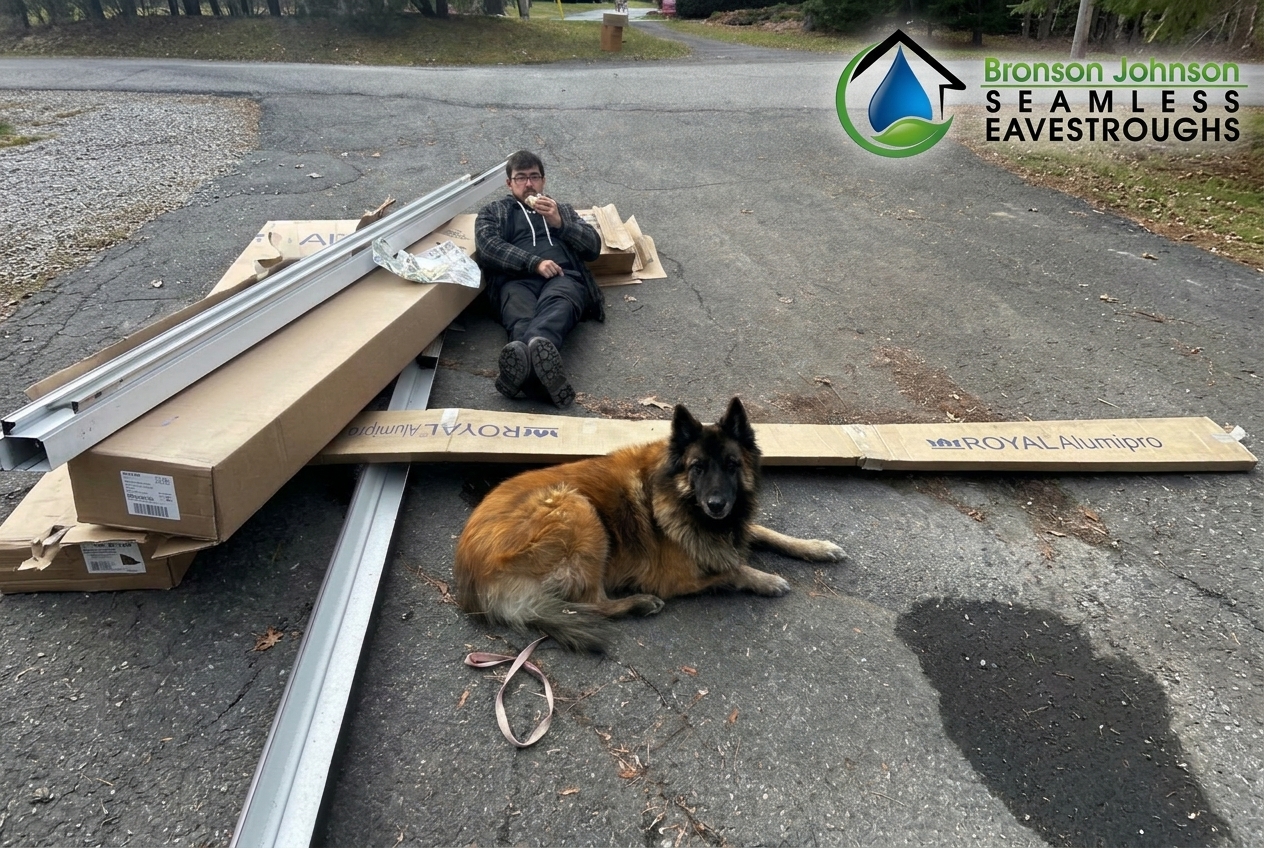
Pets, Home Life, Seasonal Protection
Pets are part of the family — especially dogs, who are often happiest when they are by our side, even during something as simple as a weekend lunch on the deck. Creating a pet‑friendly home that is comfortable for you and safe for them requires more than a cozy bed and a bowl of water. Your outdoor spaces, including your eavestroughs, patios, and walkways, play a major role in keeping both your four‑legged companions and your home’s exterior in good condition season after season.
Dogs thrive on connection. They read our routines, follow us from room to room, and quickly learn that mealtimes bring everyone together. When you step outside with your plate for a quiet lunch on the patio, your dog is often right behind you — eager to share the sun, the fresh air, and, if they are lucky, a small taste of your meal. These simple moments are powerful opportunities to bond, but they also highlight how closely our pets interact with our home’s exterior spaces.
A dog resting under the table, a cat watching from a windowsill, or a pair of pets exploring the yard all rely on the safety and condition of your outdoor environment. From the stability of your deck boards to the way rainwater drains away from your foundation, the details of home exterior care directly affect the comfort and security of the animals that share your space every day.
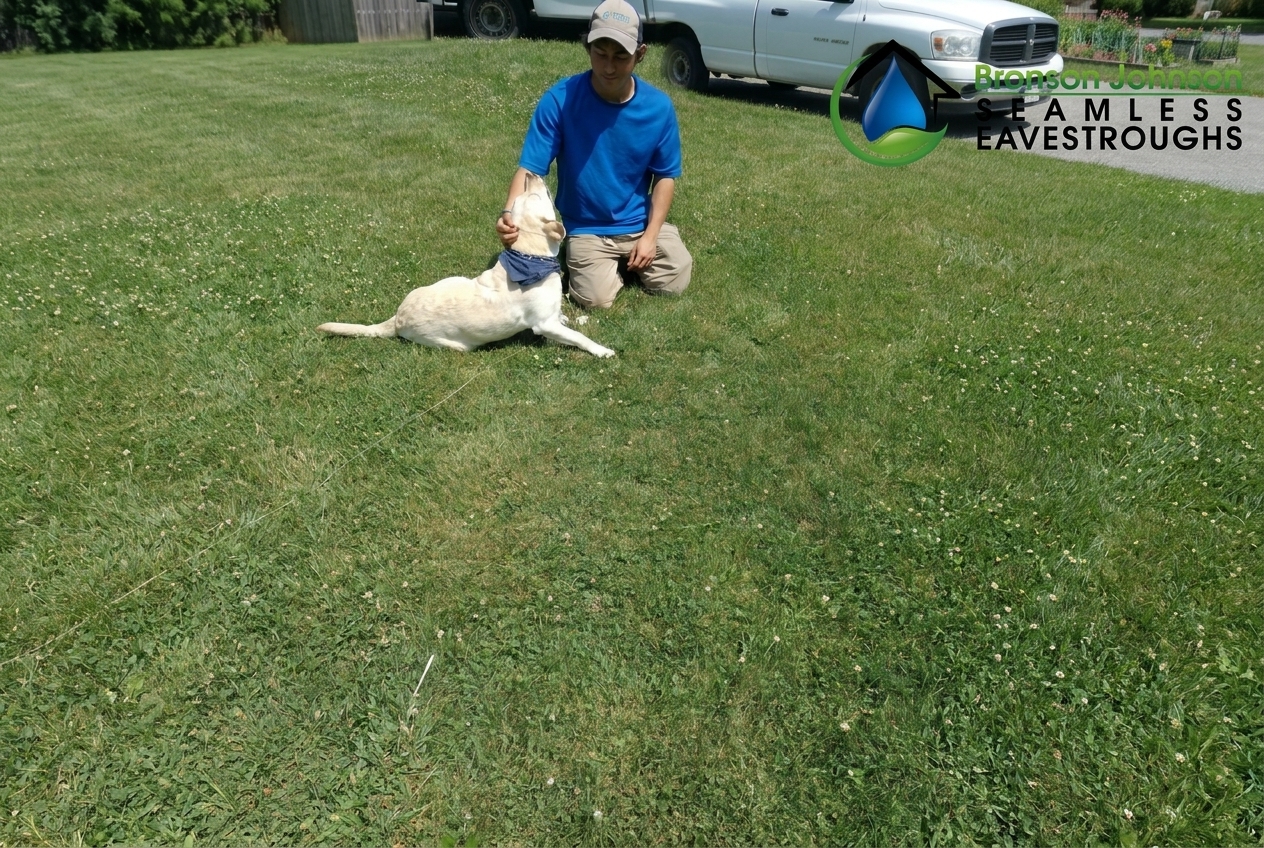
Many pet owners will tell you that lunch never feels quite complete without a pair of hopeful eyes watching every bite. Dogs love joining us with our lunch because it combines three of their favorite things — food, attention, and time outside. When the weather is pleasant, it is natural to carry your plate to the porch or patio and invite your dog to lie at your feet while you eat. This shared routine is calming for you and reassuring for them, reinforcing that they belong at the center of family life.
However, a relaxed outdoor lunch can quickly become stressful if your surroundings are not well maintained. Uneven surfaces, pooling water, loose downspouts, or deteriorating eavestroughs can create hazards for both people and pets. A dog chasing a dropped crumb may slip on a wet patch, or a curious puppy might chew on a low‑hanging piece of metal. By paying attention to the overall condition of your home’s exterior, you can make sure that the simple pleasure of eating outdoors with your dog remains safe and enjoyable throughout the year.
A pet‑friendly outdoor dining space starts with thoughtful planning. Your goal is to offer comfort, shade, and safety while also protecting the long‑term health of your property. Begin by looking at the surface where you typically eat outside — whether it is a deck, patio, or simple concrete pad. Check for protruding nails, splinters, or sharp edges that could injure a paw, and repair any damaged boards or cracked stones. A smooth, even surface is more comfortable for your dog to lie on and easier for you to keep clean.
Next, consider shade and shelter. Dogs often enjoy lying in the sun, but they can overheat quickly, especially during midday meals in the summer. An umbrella, awning, or covered porch allows your pet to stay close without being exposed to direct sunlight for extended periods. At the same time, these structures help protect furniture and entryways from the elements, supporting your broader home exterior care strategy and reducing weather‑related wear near doors and windows.
At first glance, it may seem like your dog’s lunchtime habits have little to do with your eavestroughs — but the connection is stronger than it appears. When eavestroughs are clogged or damaged, water does not drain properly from your roof. Instead, it can overflow near your deck, patio, or entryway, creating puddles and soft spots in the ground. Over time, this leads to erosion, slippery surfaces, and even damage to foundations and walkways. These conditions are not only a concern for your home — they also pose risks to curious pets who spend time outdoors after a rainfall or during snowmelt.
Regular eavestrough maintenance helps keep water moving away from areas where you and your pets relax, play, and eat together. Clean, well‑aligned eavestroughs and properly directed downspouts reduce standing water that can attract insects, create muddy patches, or freeze into dangerous ice in colder months. When your drainage system functions correctly, your outdoor living zones stay drier and safer — allowing your dog to trot out for lunch without tracking excess mud onto your deck or into your home.
Each season brings different challenges for both pets and homeowners. In spring, melting snow and frequent rain place extra pressure on eavestroughs and downspouts. Overflowing water can quickly turn your dog’s favorite patch of lawn into a muddy mess — and that mud often ends up on your deck, your furniture, and your floors. By ensuring that your eavestroughs are clear of leaves and debris before the wettest months arrive, you help protect not only your siding and foundation but also the cleanliness and usability of your outdoor spaces where you share meals with your pets.
Summer brings its own concerns. Intense sun, sudden storms, and high humidity can all impact your home exterior. Dogs may be outside more often — joining you for lunch, family barbecues, or evening snacks on the patio. Properly functioning eavestroughs channel heavy summer rain away from paths and play areas, helping to prevent slippery algae growth and protecting wooden structures from rot. In addition, good drainage discourages mosquitoes that thrive in standing water, supporting a more comfortable environment for both people and pets during long summer evenings outdoors.
In autumn, falling leaves and seasonal winds can quickly fill eavestroughs and block downspouts. This is also a time when many families enjoy cooler weather lunches outside, with dogs curled up in a patch of sun on the deck. Scheduling eavestrough cleaning and inspection during the fall ensures that your system is ready for the increased moisture and freezing temperatures of winter. When snow arrives, clear eavestroughs help manage meltwater, reducing the risk of ice buildup near entrances where both you and your pets walk daily.
Part of the joy of having your dog join you for lunch is sharing a small, safe treat. While it is important to avoid foods that are harmful to pets — such as onions, grapes, chocolate, and heavily seasoned dishes — many simple items like plain cooked chicken or small pieces of carrot can be offered in moderation. For reliable guidance on pet‑safe foods, resources such as the ASPCA’s list of foods to avoid can help you make informed decisions while you dine together outdoors.
Just as important as what you feed your dog is how you manage spills and leftovers in your outdoor dining area. Crumbs and dropped food can attract insects and wildlife, which may disturb your pets or damage parts of your property. Grease or acidic foods left on decks and patios can also stain or degrade surfaces over time. A quick sweep and wipe‑down after each meal protects your finishes and keeps the space pleasant for the next lunch — whether it is a quiet weekday break or a weekend gathering with family, friends, and pets.
A pet‑friendly home exterior balances durability, safety, and appearance. While every property is unique, several best practices apply to most homes with dogs and other pets. By following these guidelines, you can support your animals’ well‑being while extending the life of your exterior materials and systems — including eavestroughs, siding, and walkways.
Inspect high‑traffic paths for wear — Dogs often use the same routes in and out of the house. Check these areas for loose stones, cracked pavers, or settling that could cause tripping or pooling water.
Keep entryways dry — Ensure eavestroughs and downspouts direct water away from doors and steps. This reduces slip hazards for both pets and people and helps protect thresholds from rot.
Choose pet‑friendly landscaping — Avoid plants that are toxic to animals and consider ground covers that stand up well to paws and play. The Humane Society’s guide to common plant hazards is a useful reference when planning beds near patios and walkways.
Protect foundation areas — Discourage digging close to the house by providing designated play zones and ensuring that water is carried away from foundations by well‑maintained eavestroughs and downspouts.
Secure exterior fixtures — Check that hose bibs, downspout extensions, and decorative elements are firmly attached. Curious dogs may nudge or lean on these items, so stability is important for safety and longevity.
Water management is a central part of home exterior care, and it has a direct impact on where your pets spend time outdoors. Dogs often choose cool, damp spots to lie down in warm weather — under decks, near foundations, or beside shrubs. If your eavestrough system is not moving water effectively away from the house, these areas can become consistently wet, leading to muddy fur, unpleasant odors, and even health concerns from prolonged exposure to damp conditions.
A well‑designed and well‑maintained eavestrough and downspout system helps keep high‑traffic pet zones drier and more stable. Downspout extensions can be routed toward drainage beds or lawn areas that tolerate moisture better, rather than toward patios or resting spots. In some cases, adding simple grading improvements or gravel pads near discharge points can further protect both your foundation and your pet’s favorite corner of the yard. For general guidance on residential drainage concepts, many homeowners refer to resources such as This Old House’s overview of gutter systems, then rely on local professionals for tailored solutions.
The transition between indoors and outdoors is one of the busiest zones in a pet‑friendly home. Dogs run in and out for bathroom breaks, join you for lunch on the deck, and rush to the door when guests arrive. Over time, this constant activity can wear down steps, thresholds, and doorframes — especially if water is allowed to collect near entry points. Properly functioning eavestroughs and downspouts work together with overhangs and flashing to keep these areas dry, reducing the risk of rot, peeling paint, and ice formation in colder months. When these elements are maintained by trusted professionals, like the team at Bronson Johnson Seamless Eavestroughs, your entryways stay both welcoming and resilient, creating a smoother daily experience for you and your pets as you move between inside and out.
For pet owners, a dry, stable entryway is more than a cosmetic concern. It is also a safety issue. Dogs can slip on wet steps or smooth surfaces, particularly when they are excited to get outside for a meal or walk. By minimizing water exposure through consistent exterior maintenance, you help protect joints and paws from unnecessary strain. Adding non‑slip treads or textured finishes on steps can provide additional traction, supporting safe movement for pets of all ages — from energetic puppies to older companions with reduced mobility.
When you plan larger home improvement projects — such as replacing eavestroughs, upgrading siding, or rebuilding a deck — it is wise to think ahead about how your pets use each space. If your dog loves joining you with your lunch on the back patio, you may want to prioritize a comfortable, shaded seating area with durable, easy‑to‑clean surfaces. You might also consider the placement of downspouts, ensuring that discharge points do not interfere with walkways or resting areas where your dog likes to settle while you eat or entertain guests outdoors.
Thoughtful planning can also help minimize disruption during renovation work. Setting up a temporary, secure area for your pets away from ladders, tools, and construction materials keeps them safe while professionals work on your eavestroughs or exterior features. Clear communication with your contractor about pet routines and access points ensures that everyone — including your four‑legged family members — remains comfortable throughout the project. When the work is complete, you will enjoy not only a more resilient home exterior but also outdoor spaces that feel tailored to the way you and your pets live every day.
Pets add energy, comfort, and companionship to our homes. A dog resting at your feet while you enjoy a quiet lunch on the deck is more than a pleasant scene — it is a reminder that the spaces we maintain and improve every season are shared with the animals we care about most. By paying attention to eavestrough maintenance, home exterior care, and seasonal protection, you create an environment where those everyday moments can unfold safely and comfortably, year after year.
Clean, efficient eavestroughs help control water, protect foundations, and preserve decks and patios. Well‑planned outdoor areas give pets room to relax, explore, and join in family routines — from quick weekday lunches to long weekend gatherings. When you combine responsible pet care with proactive home improvement, you support the health of your animals and the long‑term value of your property at the same time. If you are ready to strengthen that connection between a pet‑friendly lifestyle and a well‑maintained exterior, Contact Bronsonjohnson Seamless Eavestoughs now to get your free quote!
Bronson Johnson Seamless Eavestroughs Ottawa specializes in seamless eavestrough installation, eavestrough replacement, leaf-guard systems, and soffit and fascia repairs. Serving homeowners across Ontario with care and craftsmanship. With a 20-year material warranty, 5-year workmanship guarantee. Full licensing and insurance with A+ BBB rating and backed by over 397 verified HomeStars 5-star reviews. You’re not just getting new gutters—you’re getting peace of mind that lasts.
Protecting homes with Expert Eavestrough Ottawa, Soffit, and Fascia services.
📅 Serving the community since 2010 | Privacy Policy


Copyright ©2026 Bronson Johnson . All Rights Reserved. Designed by Optimized Websites