Latest Articles
Need Expert Help with Your Ottawa Home's Exterior?
Get a Free Estimate

Your Source for Expert Tips, Insights, and Advice on Maintaining and Enhancing Your Home's Exterior in Ottawa.
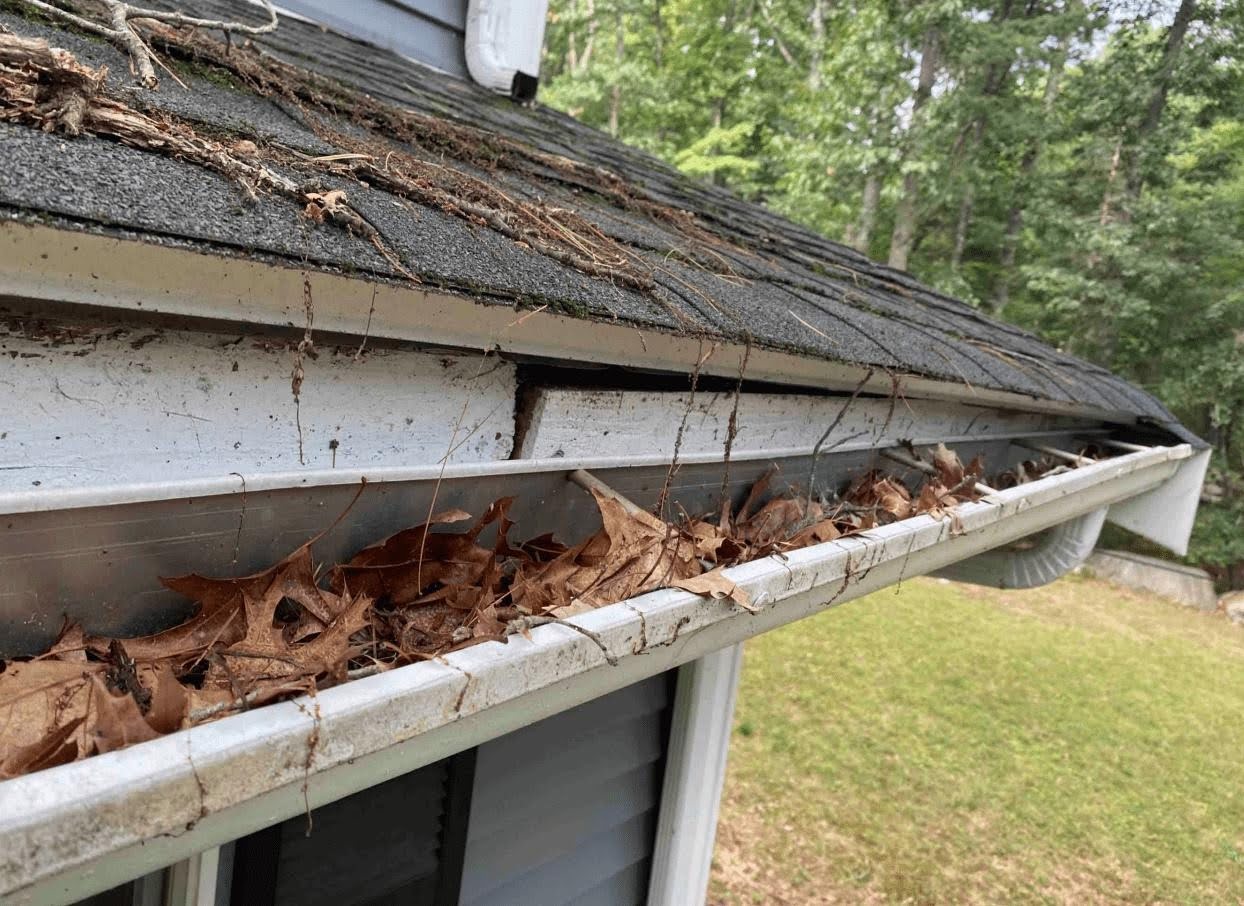
If we were to ask you when the primary season for gutter maintenance is, your answer would almost certainly be "autumn."
For decades, the standard homeowner routine has been to wait until the colorful display of October concludes, grab the ladder, and scoop out the sodden, heavy leaves. And while autumn leaf drop is undoubtedly a major factor in eavestrough health, it’s actually not the sneaky peak season that often catches Ottawa homeowners off guard.
In reality, the most dangerous, insidious time for gutter clogs in our region is right now: late June and July.
This early-to-mid summer window is critical because of a unique convergence of factors: massive organic debris drop from Ottawa's mature tree canopies, right before the standard arrival of heavy, fast summer downpours.
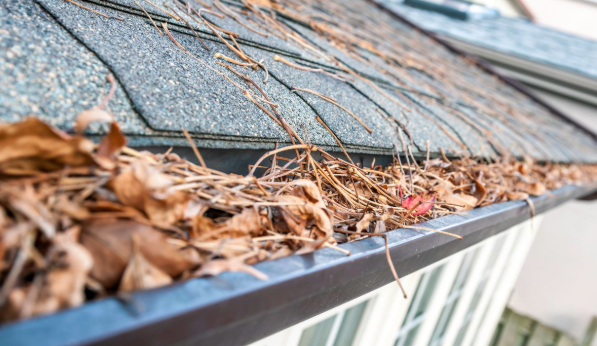
While autumn leaves create heavy volume, they are relatively simple to manage. This summer debris is different. We are currently facing a specific, tricky cocktail of small-but-mighty obstructions:
1. Maple Keys (The "Helicopters"): Ottawa’s abundant silver and red maples are heavy producers of samara, better known as maple keys. While their spinning descent is charming, their destination is not. These winged seeds are designed to distribute widely. When they land in a gutter, they wedge into seams, corners, and downspout openings. They create a nested matrix, physically interlocking with other debris.
2. Pine Needles: If you have large white pines nearby, your gutters face a relentless siege. Pine needles don't fall; they drop continuously. In a gutter, their thin, strong profile means they easily slip between guard openings (especially basic mesh screens) but lock together once inside the trough.
3. Pollen Pods and "Tree Junk": Early summer sees various trees shed catkins (pollen pods), spent blossoms, and tiny twigs. These small items are often sticky, absorbing water and clinging to the gutter walls, creating a foundation upon which larger items can catch.
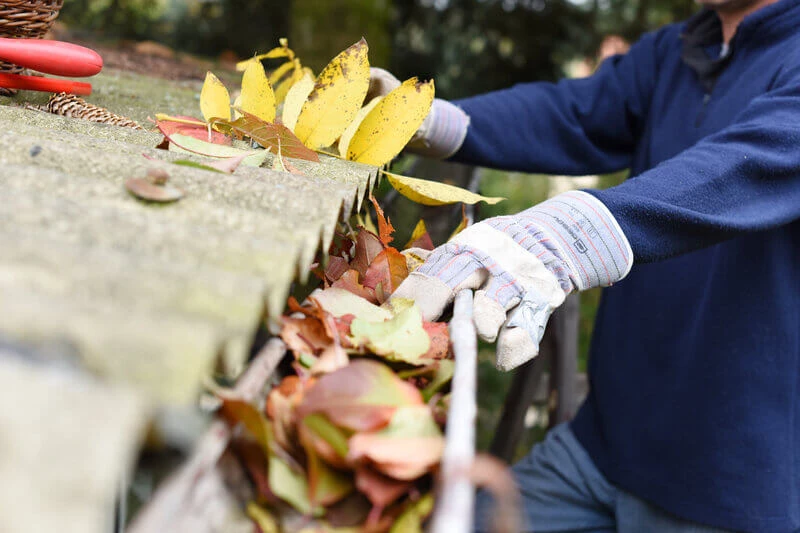
The danger of maple keys and pine needles is that they function differently than large autumn leaves. An autumn leaf might temporarily block an opening, but the water volume during a light autumn rain can sometimes dislodge it.
Summer debris is tactical. The small, inter-locking structure of maple keys and pine needles works together like biological engineering to build a high-performance dam.
Water Stagnation: Debris initially catches near the downspout opening (the narrowest point).
Filtration Matrix: The matrix of pine needles and keys begins filtering everything passing by—silt, shingle grit, more keys.
Compaction and Weight: Water saturates the sticky pollen pods, cementing the matrix together. The sheer weight begins to push down on the trough itself, altering its angle (pitch).
Operational Failure: The system loses its pitch and is now a stagnant, inter-locked organic pond. When the next major rain hits, the water volume instantly exceeds the channel's capacity.
This entire process often takes place silently during dry June weather. The homeowner looks up and sees their house looks fine.
Then, the sudden, violent thunderstorms typical of July arrive. These are high-volume, fast microbursts, similar to the intensity described by Environment and Climate Change Canada, which monitor severe weather in our region. When a flash downpour hits a pre-clogged system, there is zero warning. The gutter system fills instantly and overflows directly behind the trough, saturating your vulnerable wooden fascia boards and foundation.
The only way to win against summer clogs is proactive maintenance. You cannot wait for autumn to clean out debris that dropped months ago.

1. The Strategic June/July Clean: Do not skip a mid-summer cleaning. Clearing your troughs of keys and needles now is arguably more important than your autumn clean, as it prevents sudden, catastrophic overflows. While the City of Ottawa manages public infrastructure, the maintenance of residential eavestroughs is crucial for managing heavy localized precipitation.
2. Invest in Advanced, Professional Gutter Guards: This is where performance counts. A high-quality gutter guard system isn't just about blocking leaves; it must filter micro-debris. When properly installed by professionals, micro-mesh systems allow the powerful water currents typical of Ontario's Summer Water Management and climate, to wash debris right off the system without allowing the smaller maple keys and sticky elements to become inter-locked.
The health of your home depends on efficient water management, and it starts with acknowledging that your autumn leaves aren't the only ones out to get you. Take action this July, check your gutters, and secure your roofline.
👉Contact the Bronson Johnson team today for a free, hassle-free eavestrough quote!
Bronson Johnson Seamless Eavestroughs Ottawa specializes in seamless eavestrough installation, eavestrough replacement, leaf-guard systems, and soffit and fascia repairs. Serving homeowners across Ontario with care and craftsmanship. With a 20-year material warranty, 5-year workmanship guarantee. Full licensing and insurance with A+ BBB rating and backed by over 397 verified HomeStars 5-star reviews. You’re not just getting new gutters—you’re getting peace of mind that lasts.
Protecting homes with Expert Eavestrough Ottawa, Soffit, and Fascia services.
📅 Serving the community since 2010 | Privacy Policy


Copyright ©2026 Bronson Johnson . All Rights Reserved. Designed by Optimized Websites