Latest Articles
Need Expert Help with Your Ottawa Home's Exterior?
Get a Free Estimate

Your Source for Expert Tips, Insights, and Advice on Maintaining and Enhancing Your Home's Exterior in Ottawa.
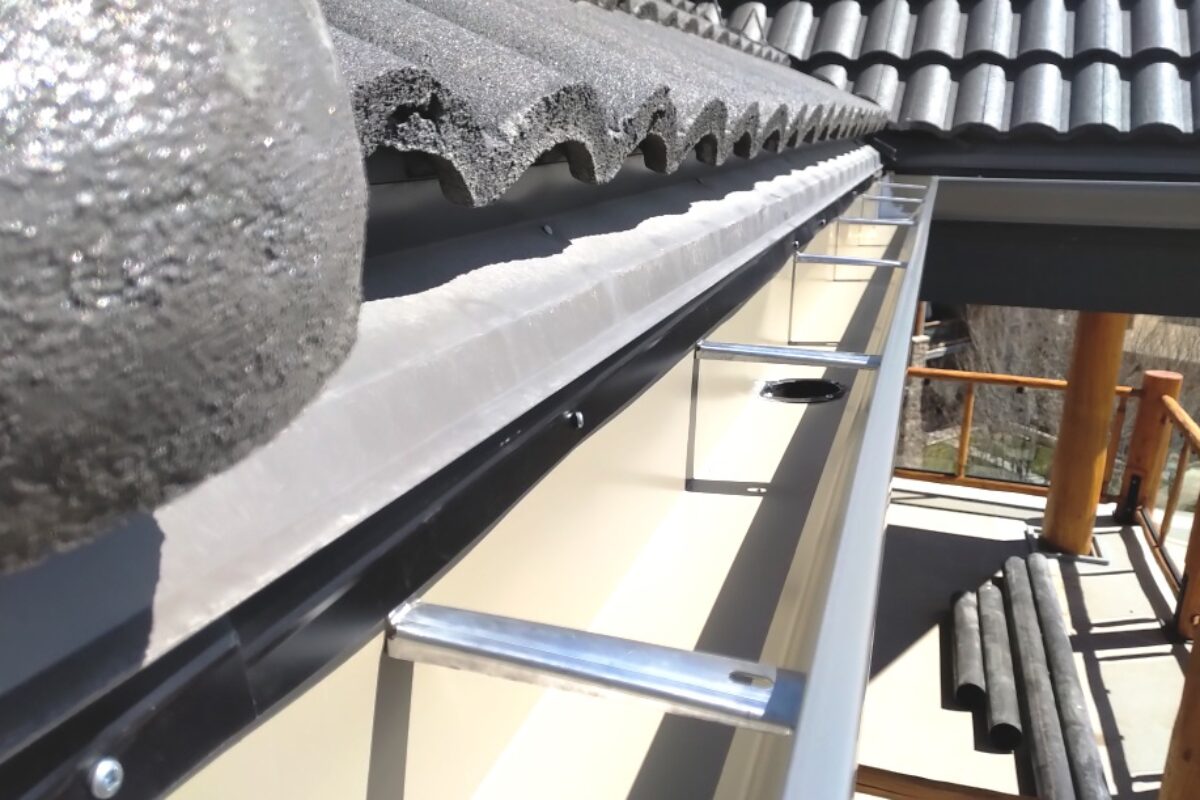
Home Maintenance, Eavestrough Care, Ottawa Living
Ottawa’s four distinct seasons are part of what makes the city such a rewarding place to live—snowy winters, colourful autumns, bright springs, and warm summers. They are also the reason your home’s exterior, especially your eavestroughs, needs thoughtful, consistent care. This guide brings together practical, Ottawa‑specific advice to help you protect your home, reduce stress, and enjoy your space in every season. As you read through, you will see how each section connects to the next, creating a clear, seasonal rhythm you can follow year after year.

Eavestroughs are easy to overlook. They sit quietly along the roofline, out of sight and often out of mind. Yet, these simple channels play a critical role in protecting your home. They collect rainwater and melting snow, then carry it away from your roof, siding, and foundation. When they work properly, you barely notice them. When they fail, the consequences can be expensive—and stressful. Understanding this hidden importance is the first step toward appreciating why regular care truly matters.
In a climate like Ottawa’s, where freeze‑thaw cycles, heavy snow loads, and sudden downpours are the norm, a neglected eavestrough system can quickly lead to:
Water pooling near the foundation, increasing the risk of basement leaks and structural damage
Ice dams along the roof edge, forcing water back under shingles and into the attic or walls
Sagging or detached eavestroughs that can damage fascia boards and create safety hazards
A well‑designed, properly maintained eavestrough system is, in many ways, your home’s first line of defense against water. Taking care of it is not just a chore—it is an investment in comfort, safety, and long‑term property value. To see why this is especially true in Ottawa, it helps to look more closely at the local climate.
📌 Key Takeaway: In Ottawa’s climate, eavestrough maintenance is not optional. It is a core part of responsible home ownership and a simple way to avoid costly repairs.
Ottawa experiences a wide range of weather conditions throughout the year: heavy snowfalls, spring thaws, summer thunderstorms, and leaf‑filled autumns. Each season places different demands on your home’s exterior. According to Environment and Climate Change Canada, the city typically receives significant annual snowfall and frequent freeze‑thaw cycles, both of which can stress building materials and drainage systems. You can review local climate normals and trends on their official site: https://www.canada.ca/en/environment-climate-change.html.
For homeowners, this means exterior maintenance cannot be a once‑a‑year activity. Instead, it is most effective when you adopt a seasonal rhythm—small, consistent checks and tasks that keep your home prepared for whatever the weather brings next. When you build these habits into your lifestyle, they become manageable, predictable, and far less overwhelming than emergency repairs. The following sections walk through that rhythm season by season, starting with the first major transition of the year: spring.
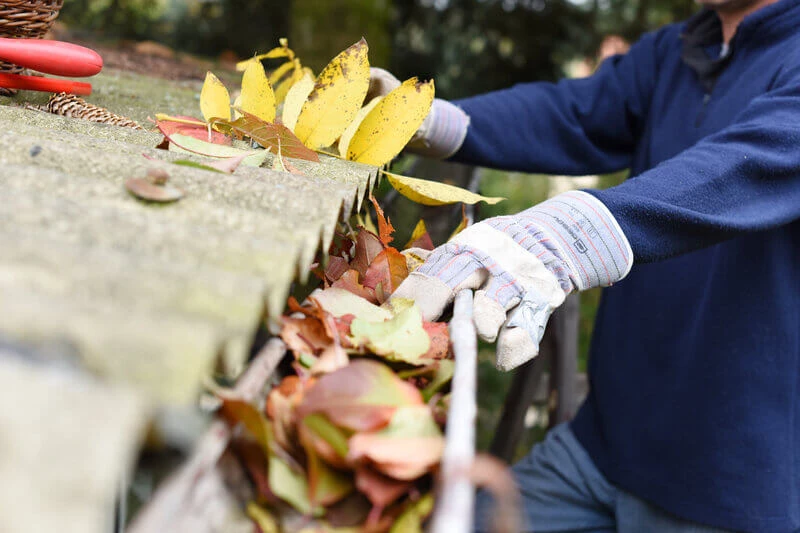
As the snow melts and temperatures rise, spring in Ottawa is a perfect time to assess how well your home handled the winter. It is also the season when melting snow and spring rains put your eavestroughs and downspouts to the test. A focused spring checklist helps you start the year on solid footing. Think of this as your opportunity to reset the system before the heavier rains arrive.
Clear winter debris. Remove leaves, twigs, and wind‑blown debris that may have collected under the snow. Even small blockages can cause overflows in heavy rain.
Check for damage. Look for sections that have pulled away from the house, seams that have separated, or areas where the eavestrough appears bent or crushed by ice or snow loads.
Test downspouts. Run water through the system with a garden hose. Confirm that water flows freely, exits several feet away from the foundation, and does not pool near walkways or patios.
Spring is also a smart time to step back and look at the bigger picture. Are your downspouts discharging onto sloped soil that leads water away from the house, or are they ending in low spots where water lingers? Adjusting grading, adding extensions, or redirecting flow can make a meaningful difference in how dry your basement stays during the wettest weeks of the year. Once you have addressed these early‑season concerns, summer offers a chance to build on that work with more strategic improvements.
💡 Pro Tip: Take photos as you inspect. They provide a helpful record over time and make it easier to explain concerns if you consult a professional later.
Summer in Ottawa is when many homeowners focus on gardens, decks, and outdoor gatherings. It is also an excellent time to address any lingering maintenance issues while the weather is warm and predictable. With longer days and safer working conditions, summer is ideal for more involved exterior projects that support your eavestrough system and overall home health. By using this season for upgrades, you set yourself up for smoother transitions into autumn and winter.
Trim overhanging branches. Trees that hang over your roof are beautiful but can drop leaves, twigs, and seeds directly into your eavestroughs. Strategic pruning reduces debris and lowers the risk of storm damage.
Assess fascia and soffits. Peeling paint, soft spots, or visible gaps near the roofline can allow moisture and pests into your home. Addressing these issues early helps keep your eavestroughs securely anchored and your attic dry.
Consider gutter protection solutions. For homes under heavy tree cover, well‑chosen guards or screens can reduce the frequency of cleaning. Research options carefully and, when in doubt, seek professional guidance on what works best in Ottawa’s conditions.
Summer is also a good time to review local building and renovation resources. The City of Ottawa provides helpful information on property standards, drainage, and exterior work requirements. You can explore guidelines and homeowner resources at https://ottawa.ca to stay informed about local expectations and best practices. With these projects completed, you will be better prepared for the season that places some of the greatest demands on your eavestroughs: autumn.
Autumn in Ottawa is beautiful—and demanding on your eavestroughs. Falling leaves, pine needles, and seasonal storms can quickly clog gutters, just as temperatures begin to drop. A proactive approach in September, October, and early November can make a remarkable difference once winter arrives in full force. Think of fall as your final opportunity to fine‑tune drainage before everything freezes in place.
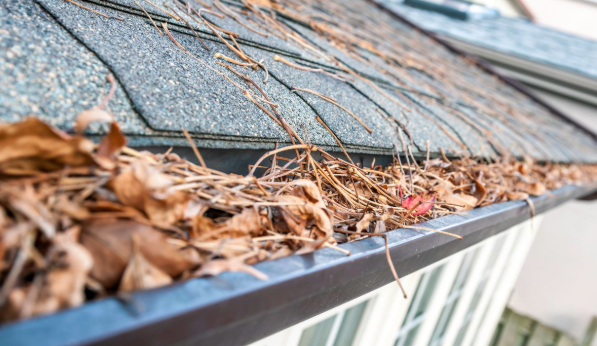
Schedule at least one thorough cleaning. For properties with mature trees, you may need two cleanings—one mid‑season, and another after most leaves have dropped. The goal is to enter winter with clear, free‑flowing eavestroughs.
Inspect for proper slope. Eavestroughs should have a gentle, consistent slope toward downspouts. Standing water after a rain event suggests sagging or improper pitch, both of which can contribute to ice buildup and structural strain in winter.
Secure loose fasteners. Brackets, hangers, and screws can loosen over time. Ensuring that your eavestroughs are firmly attached helps them withstand snow loads and wind without shifting or pulling away from the house.
This is also the time to think holistically about your property. Are walkways graded to shed water away from the foundation? Are exterior drains clear of leaves and debris? When you view your home as a connected system rather than a collection of separate parts, your maintenance decisions become more strategic—and more effective. Once these fall tasks are complete, you can move into winter with greater confidence and a clear sense of what to watch for.
A focused fall cleaning helps Ottawa homeowners prevent winter ice dams and overflows.
⚠️ Safety Reminder: If you are uncomfortable working at heights, or if your home is more than one story, consider hiring a qualified professional. Your safety is always more important than a do‑it‑yourself project.
Once the snow arrives, your eavestroughs are largely in “maintenance mode.” You will not be climbing ladders or making major adjustments, but it is still important to pay attention. Winter is when issues such as ice dams, icicles, and unusual roof runoff patterns can reveal underlying problems with insulation, ventilation, or drainage. By observing what happens in winter, you gather valuable clues that can guide your spring and summer projects.
Observe icicle formation. A few small icicles are common, but large, persistent icicles—especially near the same spots each year—can indicate heat loss and ice damming. Make a note to investigate further when conditions are safer in spring.
Monitor interior spaces. After heavy snow or a mid‑winter thaw, check ceilings, exterior walls, and the top of basement walls for signs of moisture. Early detection can prevent minor issues from becoming major repairs.
Keep ground‑level drainage paths clear. If you use downspout extensions, ensure they are not buried in snow or blocked by ice ridges. Encouraging meltwater to move away from the foundation is still important, even in the coldest months.
Winter is also a good time to plan. Make a list of exterior projects you would like to tackle once the weather improves—whether that is upgrading eavestroughs, improving attic ventilation, or refreshing exterior caulking. Thoughtful planning now leads to smoother, less rushed decisions later. From here, the focus shifts from individual seasons to how you can weave all of these tasks into a sustainable, year‑round routine.
Home maintenance does not need to take over your life. The most effective approach is usually the simplest: small, regular actions that become part of your household routine. When you treat eavestrough care as a recurring habit—like changing furnace filters or mowing the lawn—it stops feeling like an emergency and starts feeling like a normal, manageable responsibility. This mindset shift makes it easier to stay consistent from one season to the next.
Add seasonal reminders to your calendar—spring inspection, mid‑summer check‑in, autumn cleaning, and winter observation. Treat these appointments with the same importance as medical or financial checkups.
Keep a simple home maintenance notebook or digital file. Record what you notice, when work was completed, and any questions you want to ask a professional. Over time, this becomes a valuable history of your property.
Involve other household members when appropriate. Sharing small tasks—like visually checking downspouts after a storm—helps everyone feel invested in the home’s well‑being.
💡 Pro Tip: Pair maintenance tasks with seasonal traditions. For example, check your eavestroughs the same weekend you put out patio furniture in spring or decorate for autumn. Linking tasks to enjoyable routines makes them easier to remember.
While many homeowners are comfortable with basic inspections and light cleaning, there are situations where professional support is the safest, most efficient choice. Knowing when to reach out is part of being a confident, informed homeowner—not a sign that you are falling short. In fact, timely professional help often saves money in the long run by addressing issues before they escalate. As you refine your own maintenance routine, it is helpful to recognize the limits of DIY and where expert insight adds real value.
Persistent overflow from specific sections of your eavestroughs, even after cleaning, which may indicate slope or design issues rather than simple debris.
Noticeable gaps between the eavestrough and fascia, or visible sagging that suggests compromised fasteners or structural damage.
Signs of water intrusion inside the home—staining, peeling paint, or musty odours near exterior walls or in the basement—especially after heavy rain or rapid snowmelt.
When evaluating any home‑related service, it can be helpful to consult neutral, educational resources. Organizations like the Canada Mortgage and Housing Corporation (CMHC) offer general guidance on home maintenance, water management, and building performance. You can explore their homeowner information at https://www.cmhc-schl.gc.ca to deepen your understanding of how different systems in your home work together. This broader perspective also highlights how eavestrough care fits into your overall strategy for protecting and enhancing your property.
Eavestroughs may be functional by nature, but they also contribute to your home’s overall appearance. Clean, well‑aligned gutters complement a tidy roofline and fresh siding, reinforcing the impression of a cared‑for property. In Ottawa’s competitive real estate market, that impression matters—whether you plan to sell soon or simply want to take pride in your home’s appearance. In other words, good maintenance supports both how your home looks today and how it will be perceived in the future.
Thoughtful exterior maintenance supports three important goals at once:
Protecting your investment. By directing water away from vulnerable areas, you reduce the likelihood of foundation issues, rot, and mould—problems that are costly to repair and disruptive to everyday life.
Enhancing daily comfort. A dry basement, draft‑free walls, and a structurally sound roof all contribute to a more comfortable, reassuring living environment for you and your family.
Supporting future resale value. Prospective buyers often notice signs of deferred maintenance. A well‑maintained exterior signals that the home has been cared for consistently, which can make your property more attractive when you decide to move on.
Many homeowners find it helpful to think of exterior maintenance as part of their overall financial planning. A modest, predictable investment in upkeep each year can help you avoid sudden, major expenses later—supporting both peace of mind and long‑term financial stability. To make this planning even easier, the next section summarizes how eavestrough care fits into a simple seasonal snapshot.
To bring everything together, it can be useful to see eavestrough care within a broader seasonal maintenance snapshot. While every home is unique, the outline below offers a helpful starting point for building your own plan and adapting it to your property, schedule, and comfort level. Use it as a quick reference that ties all the earlier advice into one clear, year‑round view.
Season Eavestrough Focus Complementary Tasks Spring Clear winter debris, inspect for damage, test drainage Check grading, review basement for moisture, plan repairs Summer Mid‑season cleaning if needed, assess for upgrades Trim trees, repair fascia or soffits, refresh exterior caulking Autumn Thorough cleaning, confirm slope, secure fasteners Store hoses, prepare walkways, check exterior lighting for shorter days Winter Monitor for ice issues, observe runoff patterns Check for interior moisture, plan spring projects, maintain safe paths
As you refine this snapshot for your own home, remember that maintenance is a journey, not a one‑time event. Your needs may change as your home ages, as trees mature, or as your lifestyle evolves—but the core principles of attentive, seasonal care remain the same. Staying informed and connected to reliable resources can make that journey feel even more manageable.
One of the advantages of living in a city like Ottawa is access to a wide range of information and support. From municipal resources to national housing organizations, there are many places to turn when you want to learn more about best practices, safety, or long‑term planning. For example, the Government of Ontario maintains homeowner‑focused information on property‑related topics at https://www.ontario.ca/page/housing-and-rental, which can provide useful context as you think about your home over time.
Ultimately, though, each home is unique. Your property’s age, design, location, and exposure to wind and trees all influence what kind of eavestrough system will serve you best, and how often it should be maintained. When you combine reliable information with careful observation of your own home, you put yourself in a strong position to make decisions that feel both confident and comfortable. All of this leads to a more relaxed, intentional approach to looking after your property—an idea that brings us to the conclusion of this guide.
Eavestroughs rarely take centre stage in conversations about home ownership—but in a city like Ottawa, they should. These simple, often‑overlooked channels quietly protect your roof, walls, and foundation from the constant movement of water and ice. When you give them the attention they deserve, you are not just ticking a box on a to‑do list. You are actively safeguarding your investment, your comfort, and your peace of mind through every season of the year.
By approaching maintenance in a seasonal, structured way—spring inspections, summer improvements, autumn preparation, and winter monitoring—you transform a potentially overwhelming responsibility into a series of clear, manageable steps. You also create space to enjoy what drew you to Ottawa in the first place: the changing seasons, the vibrant neighbourhoods, and the comfort of knowing that your home is ready for whatever the weather brings next.
Whether you are a first‑time homeowner or have lived in your house for decades, it is never too late to strengthen your maintenance habits. Start with a simple walk around your property, notice how water moves, and make a short list of priorities. From there, you can decide which tasks you are comfortable handling yourself and where professional guidance would be most helpful. Step by step, you will build a home that feels not only well maintained, but genuinely cared for. And if you ever feel unsure about the next step, support is only a conversation away.
If you would like to discuss your home’s eavestroughs, explore maintenance options, or ask questions about how Ottawa’s climate may be affecting your property, we are here to help. Reach out through our contact page, and a member of our team will follow up with you directly: https://bronsonjohnson.com/contact-us.
Bronson Johnson Seamless Eavestroughs Ottawa specializes in seamless eavestrough installation, eavestrough replacement, leaf-guard systems, and soffit and fascia repairs. Serving homeowners across Ontario with care and craftsmanship. With a 20-year material warranty, 5-year workmanship guarantee. Full licensing and insurance with A+ BBB rating and backed by over 397 verified HomeStars 5-star reviews. You’re not just getting new gutters—you’re getting peace of mind that lasts.
Protecting homes with Expert Eavestrough Ottawa, Soffit, and Fascia services.
📅 Serving the community since 2010 | Privacy Policy


Copyright ©2026 Bronson Johnson . All Rights Reserved. Designed by Optimized Websites