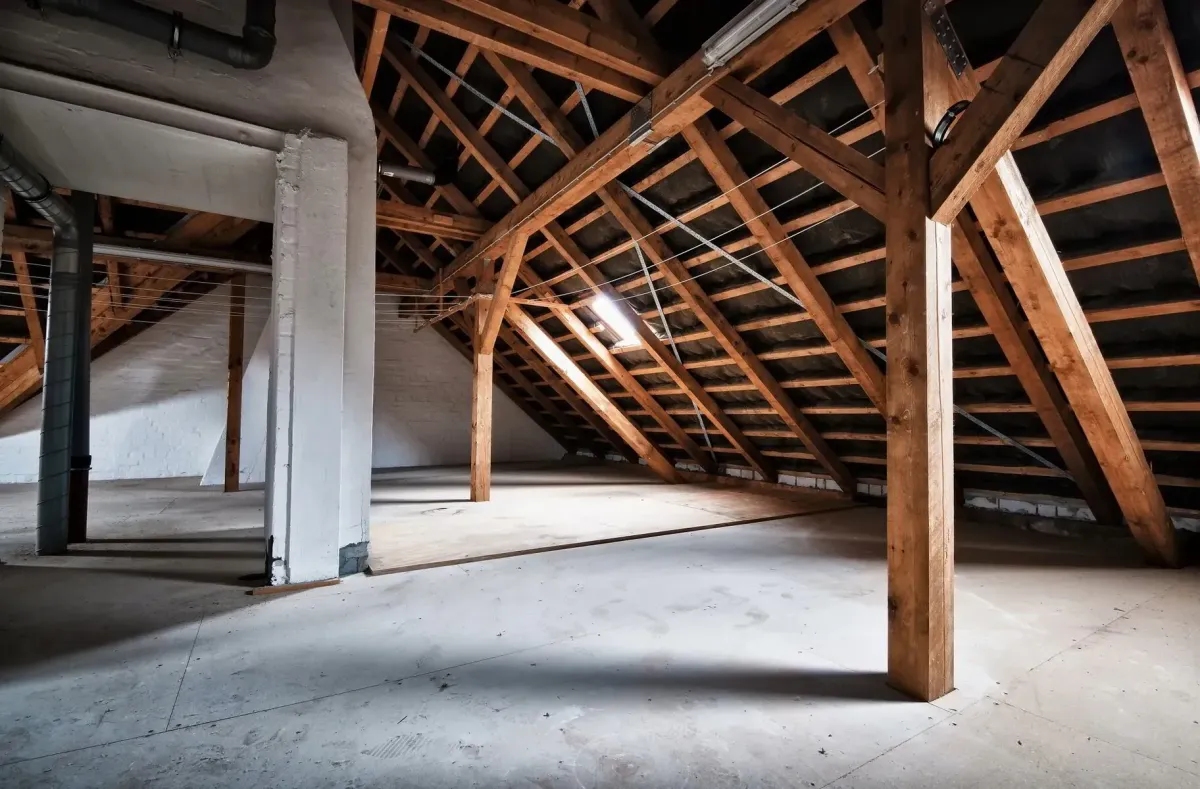
The Hidden Threat: How Poor Attic Ventilation Can Destroy Your Brand New Eavestroughs
When Ottawa homeowners think about gutter damage, they usually picture heavy downpours, clogged autumn leaves, or sagging aluminum under heavy snow loads.
But there is a hidden, silent culprit behind some of the worst eavestrough failures we see across Ontario—and it doesn’t even start outside your house. It starts right inside your attic.
Poor attic ventilation is a massive structural issue that can completely compromise a brand-new gutter system within a single winter. If you want your home exterior upgrades to last for decades, here is why your attic’s airflow matters just as much as the quality of your seamless aluminum.
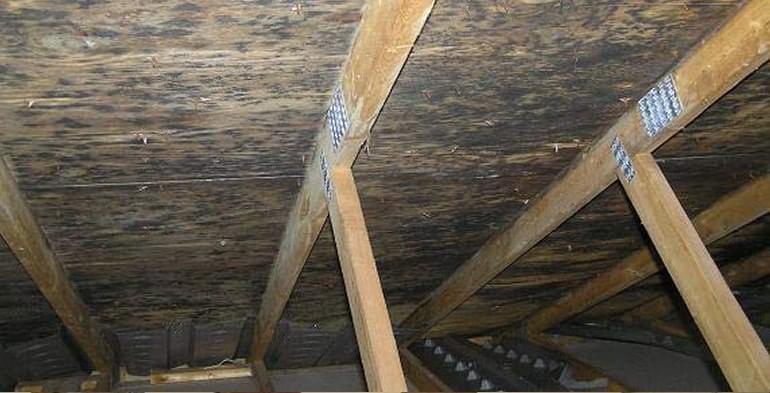
1. The Anatomy of an Ice Dam (and How It Crushes Aluminum)
We’ve all seen them: massive, beautiful, yet incredibly destructive icicles hanging off the edge of local roofs in January and February. While they look like a natural winter byproduct, they are actually a symptom of a breathing problem.
When your attic isn't properly ventilated, heat from your living spaces gets trapped right under the roof deck. This warm air melts the bottom layer of snow on your roof, causing water to run down toward the cold roof edge. Once it reaches your unheated eavestroughs, it instantly freezes.
Over a few weeks, this cycle creates an ice dam. This solid block of ice does two highly destructive things:
Water Back-up: It forces melting water under your shingles, causing interior ceiling leaks.
Extreme Weight: It fills your eavestroughs with hundreds of pounds of solid ice. No matter how premium your gutters are, that kind of unnatural weight strains the hangers, warps the aluminum, and can pull the fascia right off your house.
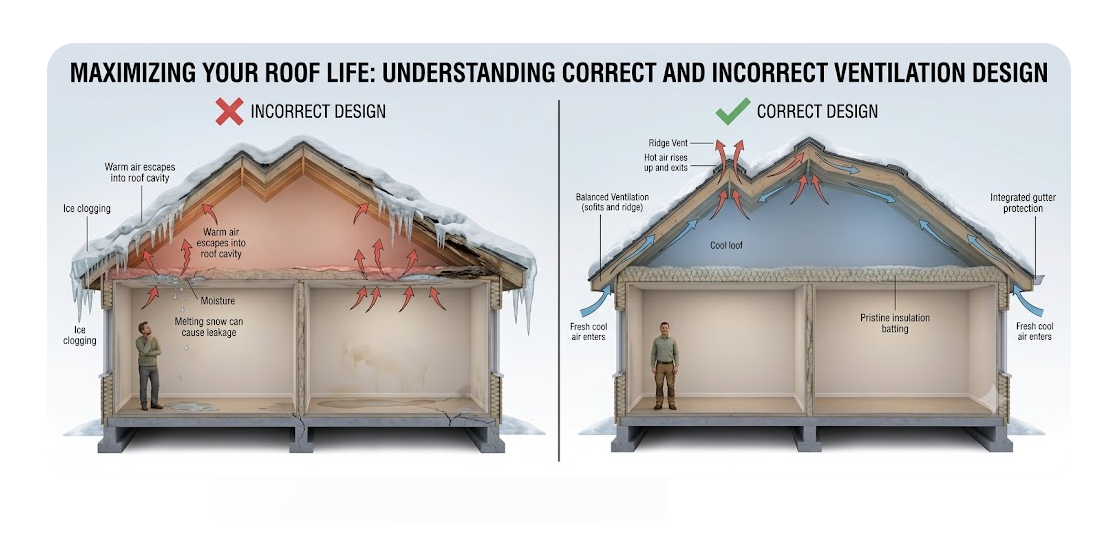
2. Soffits: The Inflow Heroes
So, how do you fix it? It all comes down to balanced airflow, and your soffits play the starring role.
Soffit panels (the aluminum under your roof overhang) are designed to let fresh, cold air enter your attic from the lowest point of the roofline. This cool air naturally pushes the rising warm air out through your roof vents at the top.
If your home still has old, unvented wood soffits, or if a previous contractor blocked your intake vents with insulation, your attic suffocates. Upgrading to modern, perforated aluminum soffits ensures your roof temperature stays uniform, preventing the freeze-thaw cycle that leads to catastrophic ice dams.

3. Protecting Your Fascia From Rot
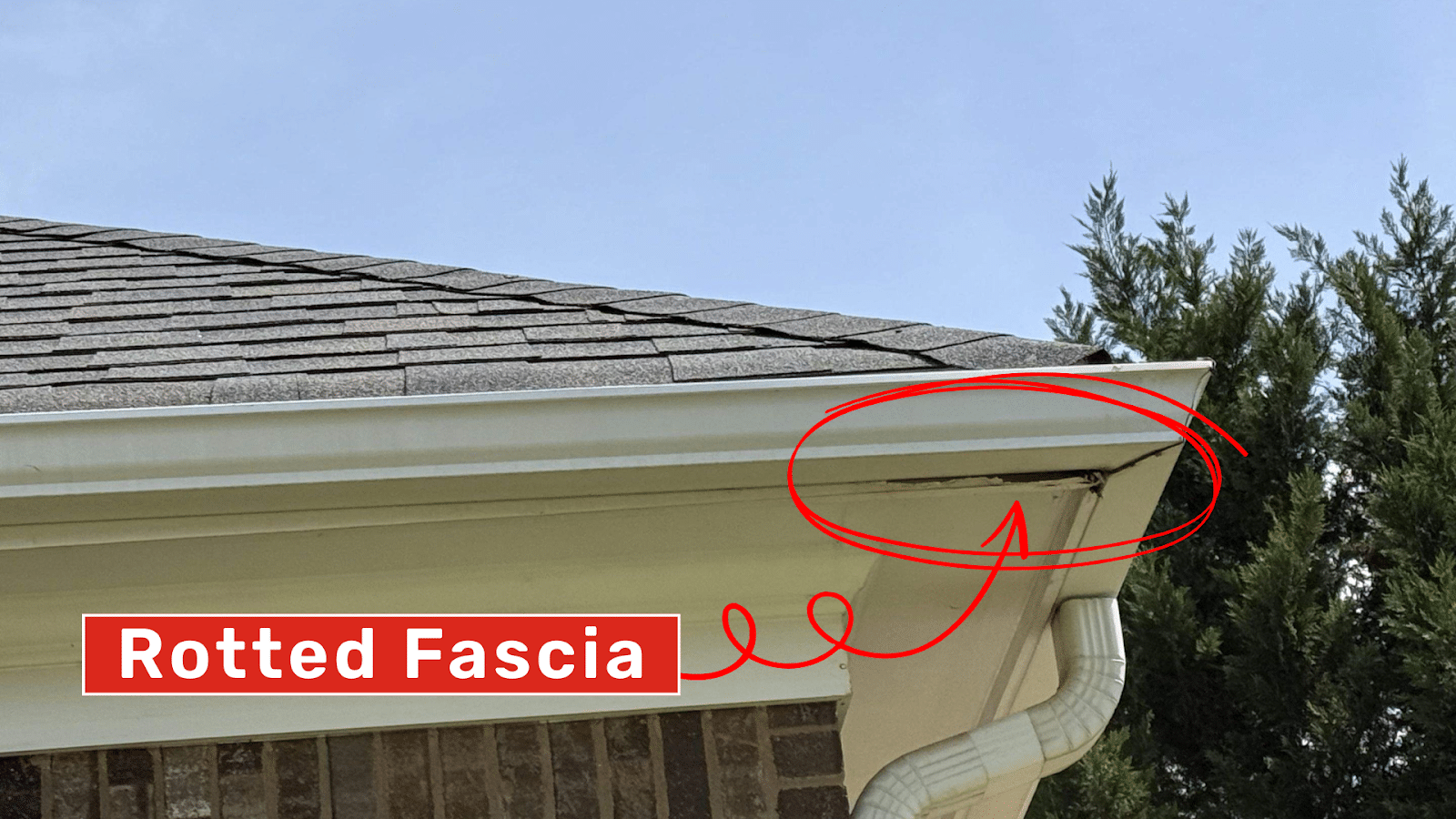
When an ice dam forms or gutters overflow due to poor drainage design, your fascia boards (the wooden boards your gutters are mounted to) bear the brunt of the moisture.
If that wood becomes damp and trapped behind old aluminum wrap without proper airflow, it begins to rot. Rot softeners the wood structure. When a heavy storm hits, the screws holding your eavestroughs can simply strip right out of the softened wood, causing the entire gutter system to collapse.
When upgrading your home, it’s vital to ensure your fascia is structurally sound and protected by professional-grade aluminum capping that allows the home to breathe while keeping moisture out.
Look at the Whole Picture
Your home's exterior is an interconnected ecosystem. A great eavestrough system can only do its job if the soffit and fascia supporting it are doing theirs.
At Bronson Johnson, we don't just hang gutters; we assess your entire roofline to ensure your home is fully equipped to handle Ottawa’s brutal climate shifts.
Protect your investment from the inside out. Contact our team today to get a comprehensive look at your roofline health!
613-324-7999 / 343-224-0182