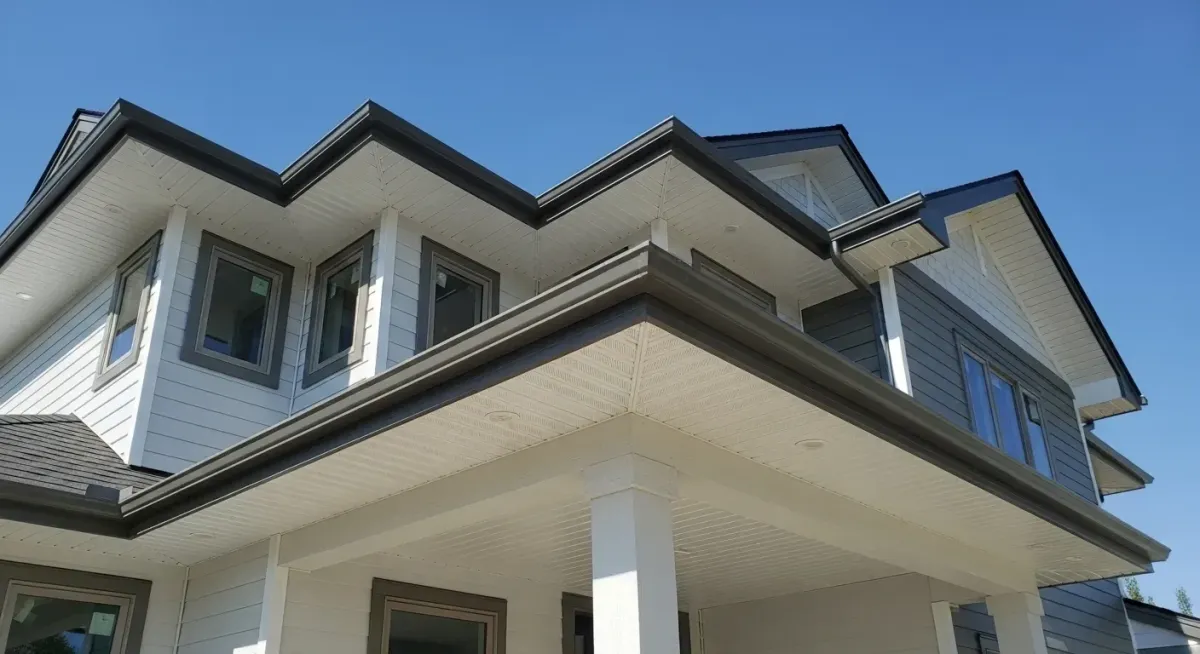
Top Soffit & Fascia Picks for Ottawa's Roofs
Home Improvement, Roofing, Soffit & Fascia
Choosing the Right Soffit and Fascia to Protect Your Roof in Ottawa, Canada
If you own a home in Ottawa, you already know the weather doesn’t play nice. One week it’s freezing rain, the next it’s lake-effect snow, and by summer you’re dealing with sweltering heat and humidity. Your roofline quietly takes the brunt of it all.
What many homeowners don’t realize is that soffit and fascia are the unsung heroes of a healthy roofing system. They don’t just make your home look finished—they help control moisture, prevent ice dams, keep pests out, and protect the structure of your roof and walls. Choosing the right materials now can prevent major repairs later.
In a city with brutal winters, humid summers, and constant freeze–thaw cycles, the right soffit and fascia act as your roof’s first line of defence. This guide will walk you through the best materials, features, and installation considerations for Ottawa homes, so you can keep your roofline—and everything beneath it—safe and dry for years to come.
Protect Your Ottawa Roof from the Elements
Durable soffit and fascia choices that stand up to harsh Canadian weather
Why Soffit and Fascia Matter So Much in Ottawa
To understand which products are right for your home, it helps to start with the basics. In simple terms, soffit is the finished underside of your roof overhang, and fascia is the vertical board that runs along the roof edge where your eavestroughs are attached. Together, they:
Shield the roof structure and attic from rain, snow, and wind-driven moisture
Provide critical attic ventilation, helping reduce ice dams and mold growth
Support gutters so meltwater and heavy downpours are directed safely away from your foundation
Block birds, squirrels, and insects from nesting in your eaves
In a city that regularly sees –30 °C in winter and +30 °C in summer, poor-quality or damaged soffit and fascia can quickly lead to ice dams, rotting roof edges, and expensive repairs. That’s why investing in quality products and professional installation is especially important in Ottawa. By choosing the right materials from the start, you set the stage for a roofline that can handle everything the local climate throws at it.
Best Soffit and Fascia Materials for Ottawa’s Climate
Once you understand how crucial soffit and fascia are, the next step is selecting materials that perform well in real-world Ottawa conditions. Below are the most common options and how they stack up in our climate.
Aluminum: The Top Choice for Long-Term Roof Protection
For most Ottawa homes in 2026, pre-finished aluminum soffit and fascia are the best all-around option. Aluminum is specifically known for its durability in harsh Canadian climates: it resists rust, won’t warp or crack in temperature swings, and requires almost no maintenance.
Lifespan: roughly 20–30 years when properly installed and maintained
Protection: excellent resistance to snow load, wind-driven rain, and ice buildup along the roof edge
Appearance: wide range of neutral colours that pair beautifully with Ottawa’s brick, stone, and siding styles
📌 Key Takeaway: If you want a “do it once, do it right” solution for your roofline, aluminum soffit and fascia are hard to beat in Ottawa’s demanding climate.
Vinyl: A Budget-Friendly Option with Some Trade-Offs
Vinyl soffit and fascia are attractive to many homeowners because they’re affordable and low maintenance. Vinyl doesn’t rot or need repainting, and insulated versions can slightly improve energy efficiency. However, in Ottawa’s deep cold, standard vinyl can become brittle and more prone to cracking, especially if it’s older or poorly installed.
Best for: cost-conscious homeowners upgrading from failing wood or older materials
Watch for: cracks, sagging, or panels pulling away after harsh winters
Wood and Composite: For Heritage Charm and Premium Looks
On older or heritage-style Ottawa homes, painted wood or composite soffit and fascia can preserve a traditional appearance. Wood offers authentic character but is vulnerable to moisture, rot, and insects—issues that Ottawa’s humid summers and freeze–thaw cycles tend to accelerate. Composite products mimic the look of wood while offering better resistance to warping and decay, though they come with a higher upfront cost. As you compare these options, keep in mind not just the initial look but also how much time and money you’re willing to invest in ongoing maintenance.
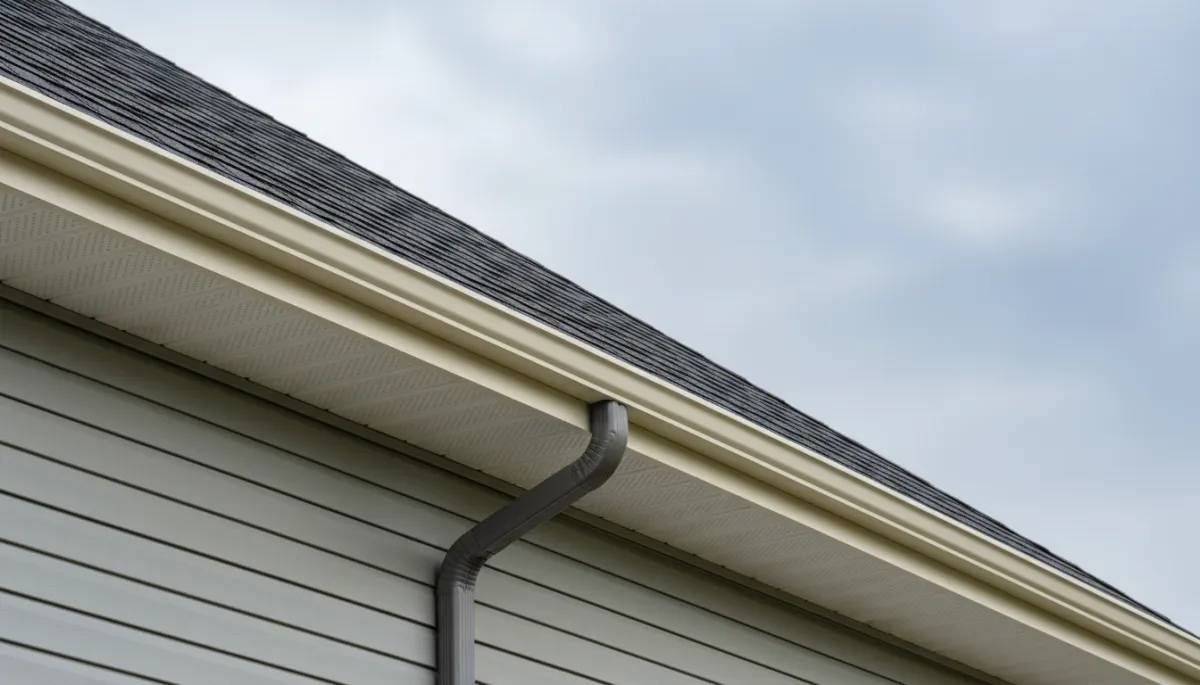
Durable soffit and fascia help gutters manage Ottawa’s heavy snowmelt and rain.
Ventilation, Building Codes, and Safety in Ottawa
Material choice is only one part of the equation. Beyond what your soffit and fascia are made of, proper vented soffit is essential to keep your attic dry and your roof healthy. Vented panels allow cold, dry air to flow in under the eaves and push warm, moist air out through roof vents, reducing ice dams and mold.
The Ontario Building Code sets standards for acceptable soffit and fascia materials, including prefinished aluminum, properly sized plywood or lumber, and certain engineered products. In some cases—especially where walls have many windows or openings—non‑combustible or fire-tested assemblies are required for added safety. Understanding these requirements helps ensure your project isn’t just durable, but also legal and safe.
Locally, the City of Ottawa also limits how far eaves, soffits, and gutters can project into your yard: typically up to 1 m for most homes, while staying at least 0.3 m from property lines. A professional installer familiar with local bylaws will ensure your project stays compliant, so you don’t run into surprises during inspections or future renovations.
💡 Pro Tip: When replacing soffit and fascia, it’s the perfect time to confirm your attic ventilation is adequate and your eavestroughs are sized correctly for Ottawa’s heavy snowmelt and spring rains.
Signs Your Soffit and Fascia Are Putting Your Roof at Risk
Even with the right materials and proper installation, soffit and fascia can deteriorate over time. Knowing what to look for makes it easier to act before small issues turn into major damage. Watch for:
Peeling paint, soft spots, or visible rot along the roof edge or under the eaves
Ice dams forming regularly along your gutters each winter
Birds, squirrels, or wasps nesting in open gaps or holes in the eaves
Warped, wavy, or sagging soffit panels and fascia boards
Catching these issues early can prevent moisture from reaching your roof deck and attic insulation—saving you thousands in potential repairs down the road. If you notice more than one of these warning signs, it’s a good indication that a professional inspection should be your next step.
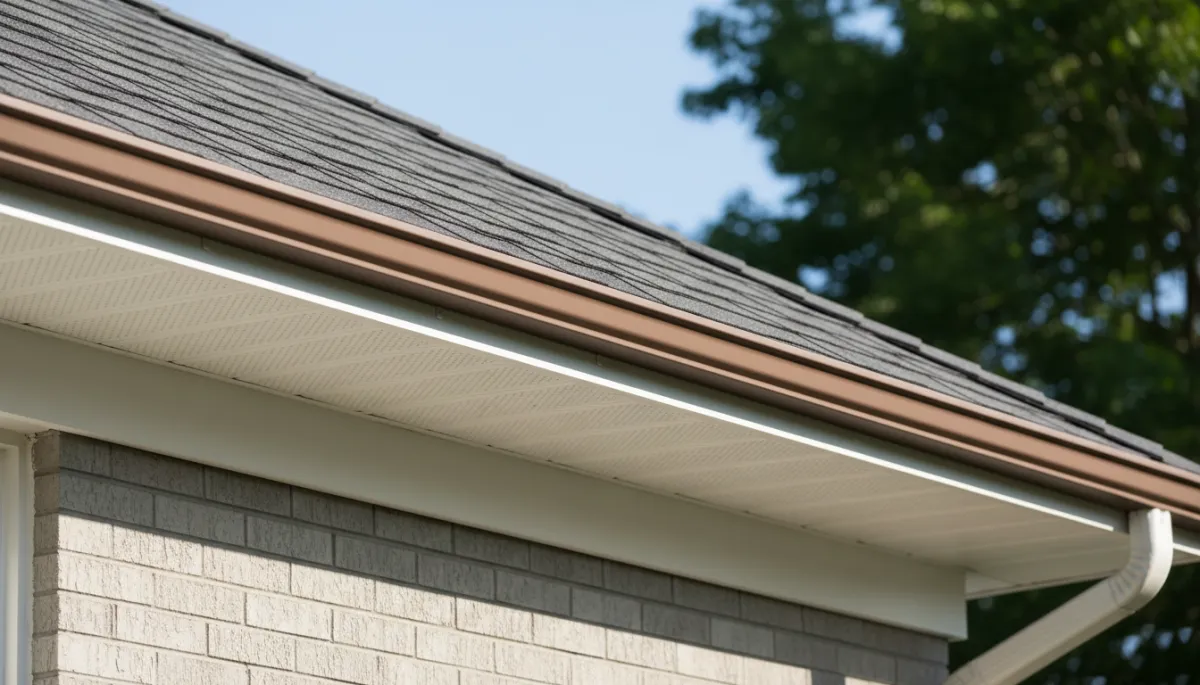
Regular inspections catch small soffit and fascia issues before they damage your roof.
Protect Your Ottawa Roof with the Right Soffit and Fascia
In Ottawa’s demanding climate, your soffit and fascia are more than just finishing touches—they are essential components of a healthy roofing system. Aluminum offers the strongest combination of durability, low maintenance, and weather resistance for most homes, while vinyl, wood, and composite each have roles to play depending on your budget and style. By matching the right material to your home’s needs, you give your entire roof system a stronger foundation.
Whether you’re replacing failing wood boards, upgrading an older home, or planning a new build, working with an experienced local installer ensures your soffit, fascia, and eavestroughs function together to protect your roof, walls, and foundation for years to come. Partnering with a specialist also means you’ll get advice tailored to your specific neighbourhood, exposure, and home design.
Contact Bronsonjohnson Seamless Eavestoughs now to get your free quote!
Frequently Asked Questions About Soffit and Fascia in Ottawa
To help you make even more informed decisions, here are answers to some of the most common questions Ottawa homeowners ask about soffit and fascia.
How often should soffit and fascia be replaced?
With quality materials and proper installation, aluminum soffit and fascia can last 20–30 years or more in Ottawa. Vinyl and wood systems may need attention sooner, especially if they’re exposed to heavy sun, ice, or moisture. Instead of focusing only on age, watch for warning signs like rot, sagging, or recurring ice dams—these usually mean it’s time to repair or replace.
Can I replace soffit and fascia in winter?
It’s possible, but late spring, summer, and early fall are generally the best times to replace soffit and fascia in Ottawa. Warmer, drier conditions make it easier to remove old materials, inspect for hidden damage, and ensure new components are installed tightly. In emergency situations—such as storm damage—professionals can perform temporary or permanent repairs during winter when it’s safe to do so.
Do I really need vented soffit if I already have roof vents?
Yes. Roof vents and soffit vents work as a system. Soffit vents pull in cool, dry air at the eaves, while roof vents let warm, moist air escape near the top. Without vented soffit, roof vents can’t move enough air, which increases the risk of ice dams, condensation, and mold growth—especially in Ottawa’s freeze–thaw cycles.
What’s the difference between capping fascia and replacing it?
Capping fascia means covering existing wood fascia boards with aluminum or another protective material. This can be a good option if the underlying wood is still solid and free of rot. If the wood is soft, warped, or decayed, it’s better to replace the fascia boards entirely before capping them, so you’re not trapping moisture or hiding structural problems.
How much maintenance do soffit and fascia need?
Aluminum and vinyl systems are largely low maintenance. Plan to:
Visually inspect soffit, fascia, and gutters at least once a year and after major storms
Clean gutters and downspouts regularly so water doesn’t back up into the eaves
Watch for pest activity, staining, or panels pulling loose and address issues quickly
💡 Pro Tip: Adding a quick soffit and fascia check to your seasonal gutter cleaning routine is one of the easiest ways to extend your roof’s life.
Can damaged soffit and fascia affect my home’s energy efficiency?
Indirectly, yes. When soffit and fascia are damaged, attic ventilation often suffers, which can make your home hotter in summer and more prone to ice dams in winter. That extra heat and moisture can force your HVAC system to work harder and shorten the life of your roofing materials. Well-sealed, properly vented soffit and fascia help your attic stay closer to outdoor temperatures, supporting overall energy efficiency.