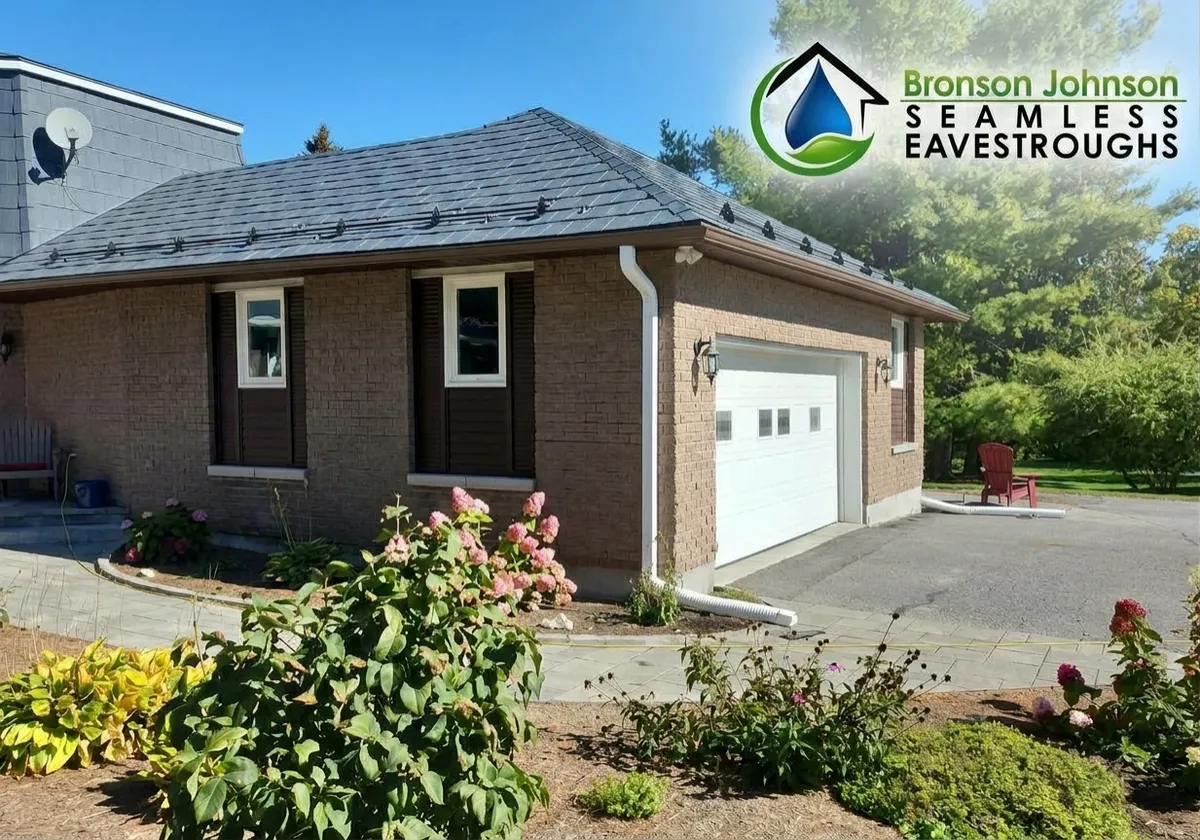
Guide to Eavestroughs, Soffit & Fascia in Ottawa
Home Maintenance, Eavestrough Installation, Soffit and Fascia Care
The Complete Homeowner’s Guide to Eavestroughs, Soffit, and Fascia in Ottawa
Your home’s exterior does more than create curb appeal—it quietly protects everything inside. Nowhere is that more true than with your eavestroughs, soffit, and fascia. When they work well, you barely notice them. When they fail, you notice quickly in the form of leaks, staining, ice buildup, and even foundation issues. This guide walks you through how these systems work together, how to maintain them seasonally in the Ottawa–Gatineau climate, and when to call in professionals for repair or new eavestrough installation.
Why Eavestroughs, Soffit, and Fascia Matter for Long-Term Home Maintenance
Good home maintenance is less about big, dramatic projects and more about steady, preventative care. Your roof, siding, and foundation all depend on one simple principle—keep water away from the structure. Eavestroughs, soffit, and fascia are central to that mission. When they are properly installed and maintained, they help:
Direct rain and snowmelt away from your home’s foundation and landscaping
Prevent water from backing up under shingles and into your attic or walls
Protect soffit vents so your attic can breathe and stay dry year-round
Provide a clean, finished look that supports your home’s value and curb appeal
Neglecting this system can lead to problems that are far more expensive than routine maintenance—foundation cracks, mold growth, rotted roof decking, and damaged insulation, to name a few. According to the Insurance Bureau of Canada, water damage is one of the leading causes of home insurance claims, and many of those incidents begin with poor exterior drainage and failing eavestroughs. Staying proactive is one of the best investments you can make in your home.
Understanding the System: Eavestroughs, Soffit, and Fascia Explained
What Do Eavestroughs Actually Do?
Eavestroughs—often called gutters—are channels installed along the lower edge of your roof. Their job is simple but essential: collect water running off the roof and move it safely away from the house through downspouts. In a climate like Ottawa’s, where heavy snow, spring melt, and sudden downpours are common, properly sized and installed eavestroughs help prevent water from spilling over the edges and soaking the ground right next to your foundation.
The Role of Soffit in a Healthy Home
Soffit is the material that covers the underside of your roof’s overhang. It often has small vents built in. Those vents allow fresh air to flow into the attic, where it can then exit through roof vents. This continuous airflow helps control moisture and temperature in the attic, reducing the risk of condensation, mold, and ice dams forming along the roof edge. Vented soffit is especially important in homes with well-insulated attics—without proper ventilation, warm, moist air can become trapped and cause damage over time.
Why Fascia Is More Than Just a Finishing Detail
Fascia is the vertical board that runs along the lower edge of your roof, right behind the eavestroughs. It creates a clean border, supports the bottom row of shingles, and provides a solid surface for securing your eavestrough system. When fascia is made from durable, low-maintenance materials such as aluminum, it protects the edge of your roof from moisture and pests. If fascia boards rot or pull away, your eavestroughs can sag, overflow, or detach—putting your entire drainage system at risk.
Eavestrough Installation: What Homeowners Should Know Before Work Begins
Whether you are replacing aging gutters or installing a new system on a renovated home, eavestrough installation is not just about attaching metal to the roofline. A professional installer will evaluate how water moves around your property, the size and pitch of your roof, and local weather patterns. In the Ottawa region, that means planning for both heavy snow loads and intense summer storms. The goal is a seamless system that looks clean, functions reliably, and requires minimal upkeep.
Seamless vs. Sectional Eavestroughs
Many older homes still have sectional gutters—short lengths joined together with connectors. Each joint is a potential weak point where leaks and clogs can develop. Seamless eavestroughs are custom-formed on-site from a continuous roll of metal, sized to the exact length of each run on your home. Fewer seams mean fewer opportunities for leaks, a smoother interior for water to flow through, and a cleaner appearance along your roofline. For most homeowners, seamless aluminum eavestroughs offer an ideal balance of durability, performance, and value.
Proper Sizing, Slope, and Downspout Placement
Effective eavestrough installation depends on three technical details: size, slope, and downspout layout. The width and depth of the eavestrough must match the roof area it serves. The slope—subtle but precise—ensures water moves steadily toward the downspouts without pooling. Downspouts must be placed where they can carry water away from the foundation, driveways, and walkways, ideally extending at least several feet from the home or tying into a drainage system. These details are easy to overlook in a do-it-yourself project but make a significant difference in long-term performance.
How Professional Eavestrough Services Protect Your Investment
Professional eavestrough services go beyond installation. A reputable company will inspect your existing fascia, soffit, and roof edge, identify any issues that could affect the new system, and recommend the right materials and profiles for your home. They will also ensure that joints, corners, and outlets are sealed correctly, hangers are placed at proper intervals, and the system is tested for smooth water flow. When this work is done carefully, you benefit from reduced maintenance, fewer leaks, and a system that stands up to Ottawa’s demanding seasons year after year.
💡 Pro Tip: Before scheduling new eavestrough installation, walk around your home after a rainstorm. Note where water pools, spills over, or stains your siding—these observations help your installer design a system tailored to your property.
Soffit and Fascia Care: Small Details With Big Consequences
Because soffit and fascia sit quietly in the background, they are easy to forget during routine home maintenance. Yet they are the first line of defense for your roof edge and attic. Proper care keeps moisture, pests, and weather out—while allowing healthy airflow through your attic space. In many homes, soffit and fascia upgrades are completed at the same time as new eavestrough installation for a cohesive, long-lasting result.
Common Signs of Soffit and Fascia Problems
Peeling paint, bubbling finishes, or soft spots along the roof edge
Visible gaps where birds, squirrels, or insects may be entering the attic
Stains or streaks running down from the eaves, indicating water overflow or leaks
Ice forming along the roofline in winter, suggesting ventilation or drainage issues
If you notice any of these warning signs, it is wise to have a professional assessment. Early repairs or replacement of damaged sections can prevent more costly roof and attic repairs later. For an overview of how attic ventilation, insulation, and moisture control work together, resources from the Government of Canada’s home efficiency programs offer helpful background information.
Choosing Low-Maintenance Materials
Modern soffit and fascia systems are typically made from aluminum or vinyl. Aluminum is a popular choice for Ottawa homeowners because it is lightweight, resistant to rust, and available in a wide range of colours to match your siding and trim. It also pairs well with aluminum seamless eavestroughs, creating a unified look along the roofline. Once installed, these materials require very little upkeep—usually just periodic cleaning and visual inspections to ensure everything remains secure and intact.
Protecting Attic Ventilation and Indoor Comfort
Vented soffit plays a direct role in your home’s comfort and energy efficiency. By allowing cooler outside air to enter at the eaves and rise through roof vents, your attic stays closer to outdoor temperatures. In winter, that helps reduce the risk of ice dams. In summer, it helps limit heat buildup that can strain your air conditioning. The Canada Mortgage and Housing Corporation notes that balanced attic ventilation is an important part of a healthy home environment, working hand in hand with proper insulation and air sealing (CMHC Healthy Housing).
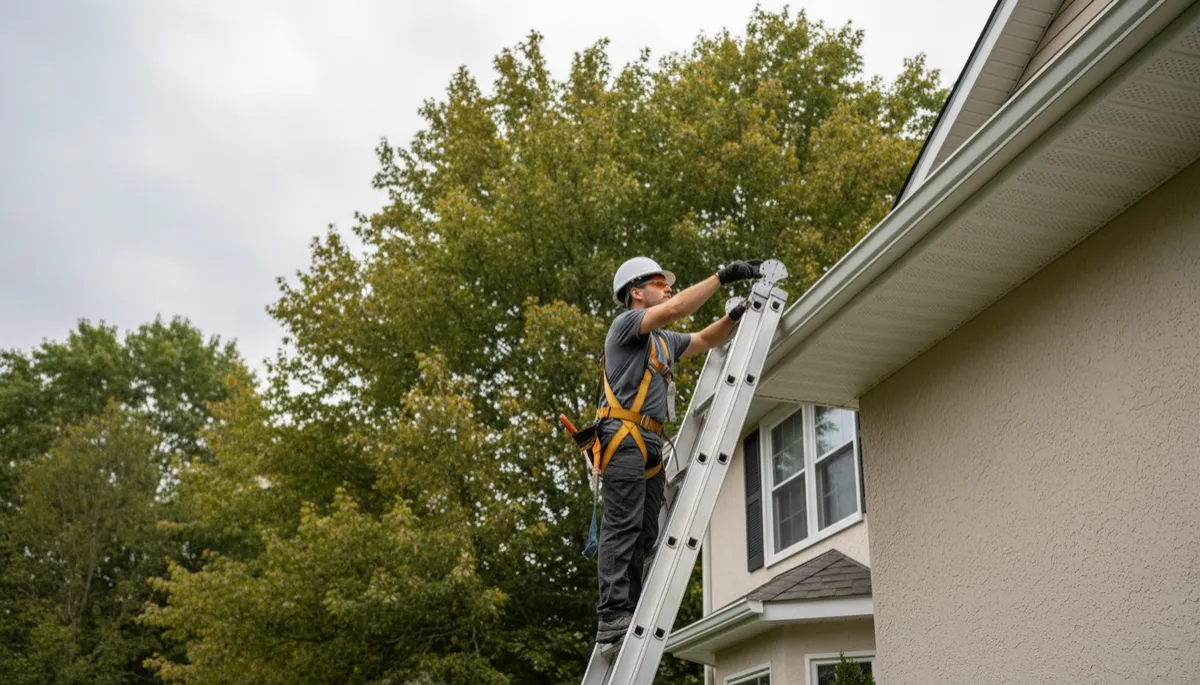
A quick professional inspection can reveal small soffit and fascia issues before they become major repairs.
Seasonal Maintenance Checklist for Eavestroughs, Soffit, and Fascia
Ottawa’s four distinct seasons put your home’s exterior to the test. A simple seasonal maintenance routine helps your eavestroughs, soffit, and fascia perform reliably all year. You do not need specialized tools—just a careful eye, a sturdy ladder, and a commitment to safety. If you are uncomfortable working at heights or notice anything concerning, it is always wise to call in professional eavestrough services.
Spring: Recovering From Snow and Ice
Inspect eavestroughs for sagging sections, loose hangers, or visible gaps at corners and downspout connections.
Clear out leaves, twigs, and roof grit that may have accumulated over winter and early thaw.
Check soffit and fascia for any new stains, peeling finishes, or signs of moisture damage.
Spring is also a good time to observe how water flows from your downspouts during a rain shower. If you see water pooling near the foundation, consider extending downspouts or adjusting grading around your home. The Government of Canada’s extreme weather guidance for homeowners offers additional tips on managing heavy rainfall and snowmelt.
Summer: Routine Cleaning and Small Repairs
Perform a mid-season cleaning if your property has many trees, especially maples and oaks that shed seeds and small branches.
Look for any sections of eavestrough that hold standing water after cleaning—this may signal an issue with slope or blocked outlets.
Gently wash soffit and fascia with a garden hose to remove dust and cobwebs, taking care not to force water into vents or seams.
Fall: Preparing for Leaves and Winter Weather
Thoroughly clean eavestroughs once most leaves have fallen—this is one of the most important steps in preventing winter ice buildup and overflow.
Confirm that all downspouts are securely attached, clear of debris, and directed away from walking paths where ice could form.
Check that soffit vents are not blocked by paint, caulking, or insulation from previous work.
💡 Pro Tip: If you find yourself cleaning out heavy clogs multiple times each fall, it may be time to discuss leaf protection options with an eavestrough specialist. The right solution can significantly reduce maintenance while still allowing proper water flow.
Winter: Monitoring From the Ground
Winter is not the time to be on a ladder, but you can still keep an eye on your eavestroughs, soffit, and fascia from the ground. Watch for:
Large icicles hanging from the eaves, which may indicate poor drainage or heat escaping from the attic
Ice ridges forming along the roof edge, a potential sign of ice dams
Visible sagging or pulling away of eavestroughs under snow load
If you notice any of these issues, make a note to discuss them with a qualified contractor when conditions are safe. Addressing the root causes—often a combination of insulation, ventilation, and drainage—can improve both comfort and durability in future winters.
When to Call in Professional Eavestrough Services
Some homeowners are comfortable handling basic cleaning and visual inspections, but there are clear situations where professional eavestrough services are the safest and most effective choice. If you notice persistent leaks, repeated clogs despite regular cleaning, or visible damage to soffit and fascia, it is time to schedule an expert assessment. Professionals have the equipment, training, and experience to work safely at height and to diagnose issues you may not see from the ground.
Indicators You May Need Repair or Replacement
Eavestroughs that are pulling away from the fascia or visibly out of level
Frequent overflow during moderate rain, even after cleaning out debris
Rust spots, holes, or cracked seams in older metal or vinyl systems
Water staining on exterior walls or basement leaks near downspout locations
In many cases, targeted repairs—replacing a damaged section, resealing corners, or upgrading a downspout—can extend the life of your system. However, if the eavestroughs are reaching the end of their service life or if fascia and soffit are significantly deteriorated, a full replacement may be the most cost-effective long-term solution. A professional installer can walk you through your options, explain the benefits of seamless systems, and help you choose colours and profiles that complement your home’s style.
Safety First: Why DIY Is Not Always the Best Option
Working on ladders and roofs carries real risk, especially when handling long sections of metal or working near power lines. Professional crews are trained in safe work practices and use proper equipment to minimize hazards. They also understand how to protect your landscaping, siding, and windows during installation. For many homeowners, the peace of mind that comes with expert work—and the added protection of warranties—is well worth the investment.
Bringing It All Together: A Holistic Approach to Exterior Home Maintenance
Eavestroughs, soffit, and fascia are just one part of your home’s exterior, but they influence many others—roof performance, siding longevity, basement dryness, and even indoor comfort. When you view them as a connected system rather than isolated components, it becomes easier to prioritize maintenance and upgrades that deliver the greatest benefit. Combining regular inspections with timely professional eavestrough services helps you stay ahead of problems and avoid the stress of emergency repairs after a major storm.
If you are planning a broader exterior renovation—such as new siding, windows, or roofing—it is wise to coordinate eavestrough, soffit, and fascia work at the same time. This integrated approach often results in a cleaner finish, better colour matching, and more efficient scheduling. Many homeowners also appreciate the opportunity to upgrade to low-maintenance materials across the board, reducing the time they spend on ladders and the likelihood of unexpected repairs in the years ahead. For additional ideas on planning exterior projects, independent resources like HGTV’s exterior renovation guides can provide inspiration and context.
Conclusion: Protect Your Home With Confident, Informed Decisions
Your home is one of your most important investments, and the choices you make about maintenance and upgrades have lasting effects. Eavestroughs, soffit, and fascia may seem like small details compared to a new roof or a finished basement, but they quietly protect your home every day—guiding water away, shielding vulnerable edges, and supporting healthy airflow. By understanding how these components work together, following a practical seasonal maintenance routine, and partnering with trusted professionals for installation and repairs, you can enjoy a safer, drier, and more comfortable home in every season.
Whether you are concerned about aging eavestroughs, noticing signs of soffit or fascia wear, or simply planning ahead for future projects, expert guidance makes all the difference. Contact Bronsonjohnson Seamless Eavestoughs now to get your free quote!