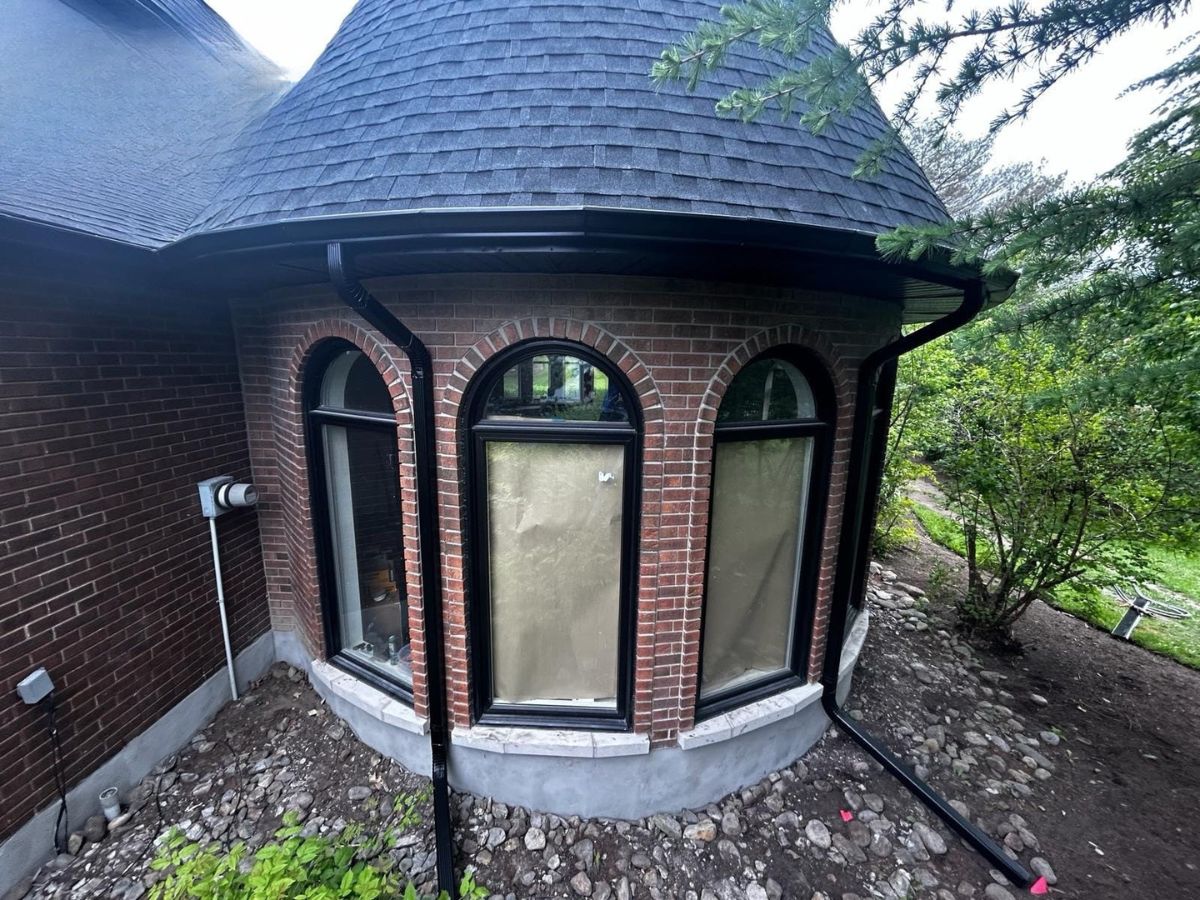
Guide to Seamless Eavestroughs for Homeowners
Home Improvement, Exterior Maintenance, Eavestroughs
The Complete Homeowner’s Guide to Seamless Eavestroughs: Protect Your Home, Boost Your Curb Appeal
If you own a home, your eavestroughs (gutters) quietly work every time it rains or the snow melts. When they fail, the damage can be loud and expensive. This guide walks you through everything you need to know about seamless eavestroughs—from how they protect your home to how to recognize problems, choose the right materials, and decide when it’s time to upgrade.
Why Your Eavestroughs Matter More Than You Realize
Water is one of the biggest threats to any house. Left unmanaged, rainwater and melting snow can seep into foundations, flood basements, rot fascia boards, damage landscaping, and even create dangerous ice patches in winter. Eavestroughs are your home’s first line of defence, quietly collecting and directing water away from vulnerable areas.
When eavestroughs are undersized, clogged, leaking, or pulling away from the roofline, that defence system breaks down. The result can be thousands of dollars in repairs, often starting with small, easily missed signs: peeling paint, soft spots in exterior wood, hairline cracks in foundation walls, or musty smells in the basement after a storm. Paying attention to your eavestroughs now is a simple, practical way to protect the investment you’ve made in your home.
Seamless vs. Sectional Eavestroughs: What’s the Difference?
Traditional sectional eavestroughs are made from shorter pieces joined together with connectors. Every joint is a potential weak point where leaks can develop, debris can snag, and ice can build up. Over time, these joints often become the first area to fail, especially in climates with heavy rain, snow, or frequent freeze–thaw cycles.
Seamless eavestroughs, on the other hand, are custom-formed on site from a single continuous piece of metal for each run of your roofline. The only seams are at the corners and where downspouts connect. Fewer seams mean fewer opportunities for leaks, sagging, or clogs. The result is a cleaner look, better performance, and less maintenance over the long term—something individual homeowners especially appreciate when they’re the ones cleaning ladders and paying repair bills.
💡 Homeowner Insight: If you’ve ever noticed water dripping from the middle of a gutter run instead of the end near the downspout, you were probably looking at a failing seam in a sectional system.
How Properly Working Eavestroughs Protect Your Home
1. Guarding Your Foundation and Basement
When water pours straight off your roof and lands near your foundation, it can slowly erode the soil and find its way into small cracks. Over time, this repeated saturation can lead to foundation movement, widening cracks, and basement moisture. According to resources from the Financial Consumer Agency of Canada’s home maintenance guidance, managing exterior water is a key part of protecting your property value and avoiding costly structural repairs.
Seamless eavestroughs, correctly sloped and paired with well-placed downspouts and extensions, move water away from your home efficiently. Instead of pooling near the walls, water is guided to safer areas of your yard or into proper drainage systems, reducing the risk of seepage and flooding dramatically.
2. Protecting Siding, Brick, and Exterior Finishes
Overflowing or leaking eavestroughs can send water running down the face of your home. Over time, this leads to staining, peeling paint, and even rot in wood siding or trim. Brick and stone are not immune either—repeated saturation can cause efflorescence (white staining) and premature wear in mortar joints. Seamless eavestroughs keep water where it belongs: inside the troughs and down through the downspouts, not down your exterior walls.
3. Preserving Landscaping and Walkways
You may have invested time and money into gardens, shrubs, and decorative stone around your home. Uncontrolled roof runoff can wash away mulch, erode soil, and damage plants. In winter, water that drips from poorly performing eavestroughs can freeze on steps and walkways, creating hazardous ice patches. A properly designed seamless system directs water away from these vulnerable areas, helping your landscaping look better and your walkways stay safer all year round.
4. Reducing Ice Dams and Winter Damage
In colder climates, ice dams can form when heat escapes through the roof, melting snow that then refreezes at the colder eaves. While attic insulation and ventilation are big parts of this puzzle, eavestroughs also play a role. Clogged or poorly sloped gutters hold water that can freeze, adding weight and exacerbating ice buildup. Seamless eavestroughs, especially when kept clean and correctly pitched, help water exit the system quickly, reducing the chance of ice-related problems along the roofline.
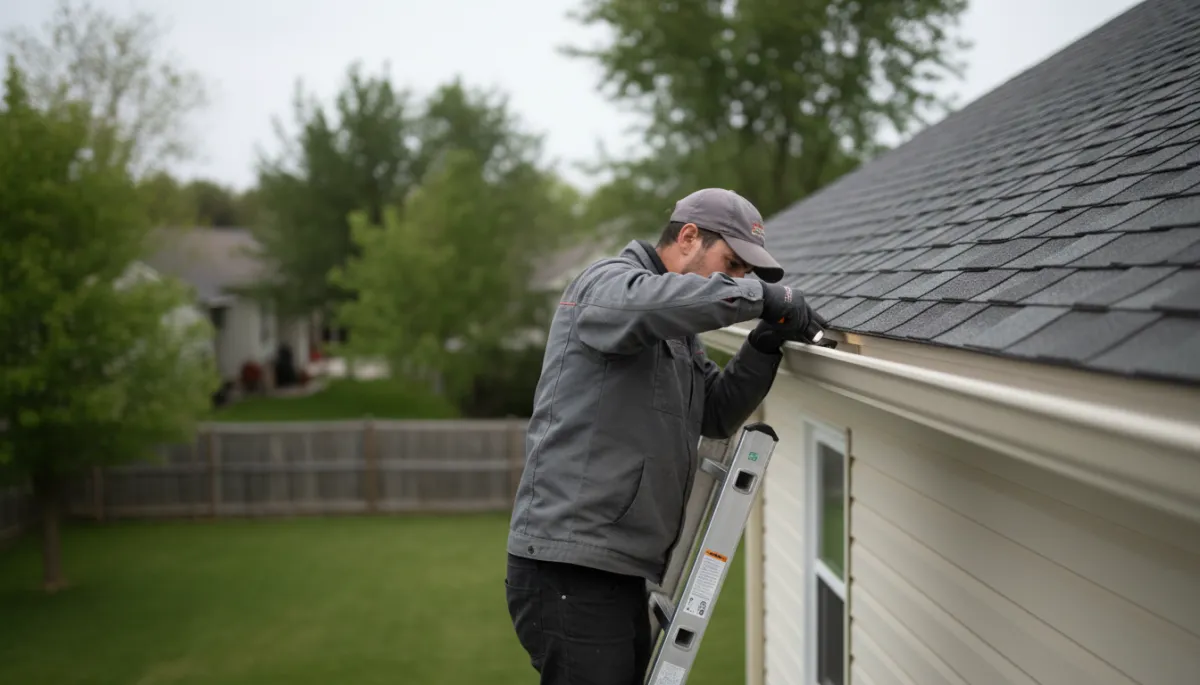
A quick visual inspection each season can reveal issues before they cause damage.
Signs Your Eavestroughs May Need Repair or Replacement
Many homeowners don’t think about their eavestroughs until something goes obviously wrong. But subtle warning signs often appear months—or even years—before serious damage occurs. Here are key indicators to watch for during your regular home walkarounds:
Overflowing during rain: If water spills over the front edge of the gutters in a normal rainfall, they may be clogged, undersized, or improperly sloped.
Water pooling near the foundation: After a storm, check the ground around your home. Persistent puddles close to the walls suggest downspouts and extensions aren’t doing their job.
Peeling paint or soft wood near the roofline: This often points to long-term moisture exposure from leaking or overflowing eavestroughs.
Sagging or pulling away: Visible gaps between the gutter and fascia, or sections that sag in the middle, indicate failing fasteners or excessive weight from debris and standing water.
Rust, holes, or obvious leaks: Metal that has corroded through, or joints that drip even in light rain, are strong signs that replacement may be more cost-effective than patching.
📌 Key Takeaway: If you’re seeing multiple warning signs or repeatedly fixing the same issues, upgrading to seamless eavestroughs can be a smarter long-term investment than ongoing repairs.
Choosing the Right Eavestrough Material and Style for Your Home
Popular Materials for Seamless Eavestroughs
Most seamless systems for residential homes are made from aluminum, steel, or sometimes copper. Each option has its own strengths, appearance, and price point. For many individual homeowners, aluminum strikes the best balance between durability, weight, and cost. It resists rust, can be painted or ordered in a variety of colours, and is light enough to be safely installed on most homes without reinforcing the structure.
Steel offers added strength and can be a good choice in areas with heavy snow loads or where gutters are exposed to more physical wear. Copper is often chosen for its distinctive appearance and longevity on higher-end or heritage homes, gradually developing a natural patina over time. For a deeper dive into how different exterior metals perform, you can explore neutral information from organizations such as the Canada Mortgage and Housing Corporation’s home maintenance resources.
Profiles, Sizes, and Colours
Beyond the material, you’ll also choose the profile (shape) and size of your eavestroughs. K-style gutters are common on modern homes, offering a clean look that complements most architectural styles. Half-round profiles are sometimes used on heritage or more traditional properties. The size—often 5" or 6" for residential applications—depends on your roof area, pitch, and local rainfall patterns. Larger systems can handle more water, which is especially helpful on steep or expansive roofs.
Colour is another important consideration for individual homeowners who care about curb appeal. Many people choose a tone that blends with the fascia or trim for a subtle, integrated look. Others prefer a contrasting colour that frames the roofline. Because seamless eavestroughs are formed from pre-finished coils, you can typically choose from a broad neutral palette that complements brick, stone, siding, or stucco.
DIY vs. Professional Installation: What Homeowners Should Consider
Handy homeowners sometimes consider installing or repairing eavestroughs themselves. While small maintenance tasks—like clearing leaves from downspouts or reattaching a loose bracket—may be manageable, full system installation is a different story. Seamless eavestroughs require specialized equipment to form custom lengths on site, and proper installation involves precise measurements, correct slope, secure fastening, and safe work at height around the entire perimeter of your home.
Beyond the technical aspects, there are safety concerns. Working on ladders or from the roof exposes you to fall risks, especially when carrying long lengths of metal or tools. Professional installers do this work every day, with the right equipment and training to complete the job efficiently and safely. They also understand how to integrate the eavestrough system with your existing roof, fascia, and soffits, and how to address unique challenges like multiple rooflines, dormers, or tight property lines.
⚠️ Safety Reminder: The Canadian Centre for Occupational Health and Safety notes that ladder-related incidents are common and often serious. When in doubt, it’s safer—and often more cost-effective—to rely on trained professionals for exterior work at height.
Maintenance Tips to Extend the Life of Your Eavestroughs
Seasonal Cleaning and Inspections
Even the best seamless system needs periodic attention. As a general rule, homeowners should plan to inspect and clean their eavestroughs at least twice a year—once in the spring after snow and ice have melted, and once in the fall after most leaves have dropped. If you have tall trees close to your home, you may need to check more often, especially after major windstorms.
Use a stable ladder on level ground and have a spotter if possible.
Scoop out leaves and debris with a small plastic scoop or gloved hands.
Flush the eavestroughs and downspouts with a garden hose to check for proper flow and identify any leaks.
Look for signs of standing water, sagging sections, or fasteners that have pulled out of the fascia.
Managing Trees and Roof Debris
Overhanging branches can drop leaves, needles, and twigs directly into your eavestroughs. Trimming trees back from the roofline not only reduces clogging but also helps prevent damage from branches rubbing against shingles or falling in storms. If your home is surrounded by mature trees, you might also consider leaf protection options that work with seamless eavestroughs, such as screens or covers designed to keep debris out while allowing water in. A professional can recommend solutions that suit your roof style and local conditions.
Watching for Winter Issues
In winter, keep an eye on icicles forming along your eaves. While small icicles are common, large, heavy clusters can indicate poor drainage or heat loss from the home. Never stand directly under large icicles, and avoid knocking them down from the ground where they might fall toward you. Instead, focus on long-term solutions: improving attic insulation and ventilation, and ensuring your eavestroughs and downspouts are clear before the cold weather sets in.
How Seamless Eavestroughs Add Value and Curb Appeal
For individual homeowners, the decision to invest in seamless eavestroughs isn’t just about avoiding problems—it’s also about enhancing the look and value of your property. Because seamless systems are custom-formed for your home, they create clean, uninterrupted lines that complement the roof and trim. There are no obvious joints every few feet, and properly colour-matched systems can almost disappear into the architecture when viewed from the street.
When you eventually decide to sell, prospective buyers and home inspectors will be looking for signs of water damage, foundation issues, and deferred maintenance. A well-installed, modern seamless eavestrough system sends a clear signal that you’ve taken care of the home. It can also be a reassuring talking point during showings: you can confidently explain how water is managed around the property, and highlight the steps you’ve taken to protect the structure and landscaping over time.
Questions to Ask Before Upgrading Your Eavestroughs
If you’re considering a new seamless eavestrough system, it helps to go into the conversation with a clear sense of your priorities and a few practical questions. Here are some points to discuss with a professional installer:
What material and size do you recommend for my roof? Your roof area, slope, and local climate all influence the best choice.
How will you handle corners, dormers, and complex rooflines? Experience with homes similar to yours is a real advantage.
Where will downspouts be placed? You’ll want them in locations that are both functional and visually unobtrusive, and that direct water away from walkways and foundations.
What kind of warranty do you offer? Clarify both material and workmanship coverage, and how service calls are handled if you ever have concerns.
Having this conversation up front helps ensure that the finished system not only performs well but also aligns with your expectations for appearance, durability, and long-term peace of mind.
Taking the Next Step as a Homeowner
Every home is different, and so is every homeowner’s comfort level with maintenance and upgrades. What doesn’t change is the importance of keeping water where it belongs—away from your roof edges, walls, and foundation. Whether you’ve recently purchased your first house or you’ve lived in the same place for decades, giving your eavestroughs some focused attention is a smart, practical move that can prevent expensive surprises down the road.
Start with a simple visual inspection the next time you walk around your property. Look for signs of sagging, staining, or overflow marks. Pay attention during the next rainfall—do you see water spilling over the edges or pooling near the foundation? If so, it may be time to clean, repair, or consider a full upgrade to seamless eavestroughs that are tailored to your home and local climate.
Investing in a high-quality seamless system is about more than just metal along your roofline. It’s about protecting your basement from flooding, keeping your exterior finishes looking fresh, preserving your landscaping, and maintaining the value and comfort of the place you call home. When you partner with experienced professionals, you gain not only a durable product but also guidance on design, placement, and long-term care that suits your specific property.
If you’re ready to explore options for your own house, or if you’ve noticed warning signs and want an expert opinion, don’t wait for the next heavy storm to test your current system. Contact Bronsonjohnson Seamless Eavestoughs now to get your free quote!