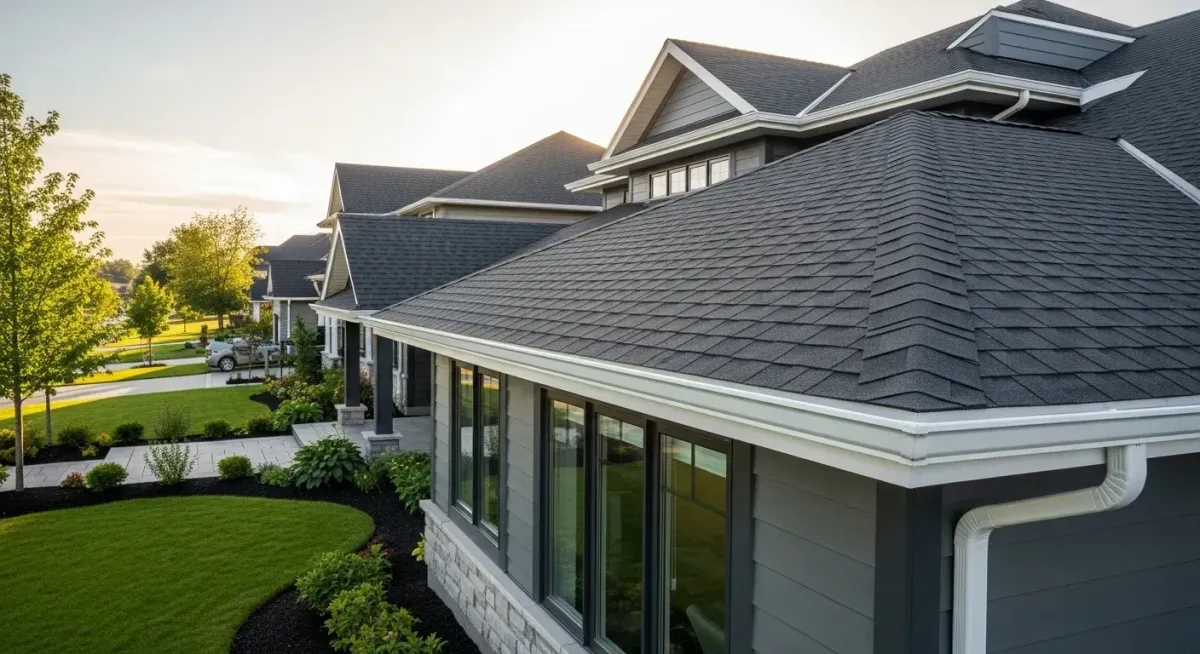
Roof Replacement Guide: Protect Your Home Today
Home Improvement, Exterior Maintenance, Roofing
The Homeowner’s Guide to Roof Replacement: Protecting Your Property from the Top Down
Your home is likely your largest investment, yet many homeowners overlook one of the most important systems protecting it: the roof. A well-designed, properly installed roof does far more than simply keep out rain; it safeguards your attic, walls, foundation, and interior finishes from costly water damage. This comprehensive guide is designed for individual homeowners who want to understand how modern roofing systems work, why timely replacement matters, and what to consider when upgrading or replacing their current roof.
Why Your Roof Matters More Than You Think
When it is performing properly, your roof is easy to ignore. It quietly sheds rain, snow, and wind, directing moisture safely away from your home. However, once shingles curl, flashing fails, or leaks develop, the consequences can be serious. Water can seep into attics, saturate insulation, stain ceilings and walls, and even compromise structural framing over time. In climates with freeze–thaw cycles, trapped moisture can expand into ice, prying apart shingles and flashing and worsening the problem each season.
According to the Insurance Bureau of Canada, water damage is one of the leading causes of home insurance claims nationwide, with claims related to flooding and water intrusion increasing steadily over the past decade. You can review broader water damage trends and homeowner resources through organizations such as the Insurance Bureau of Canada, which emphasizes the importance of effective weather protection and drainage around residential properties. A robust, well-designed roofing system is a first line of defense in this regard.
What Makes a Modern Roof Replacement Different?
Older roofs were often installed with basic asphalt shingles over minimal underlayment, with limited attention to ventilation and moisture control. Each vulnerable detail—aged flashing, deteriorated sealants, and worn shingles—can become a weak point where leaks and premature failure develop. Modern roof replacement, by contrast, is approached as a complete system: shingles, underlayment, ice and water shield, flashing, and ventilation are designed to work together to protect your home.
For individual homeowners, this system-based approach translates into fewer maintenance headaches and a more resilient building envelope. With upgraded materials and proper detailing, water has fewer paths to infiltrate your home. The result is a roof that is more efficient at shedding water, better at handling wind and snow loads, and less prone to premature wear. Modern roofing systems also offer a clean, cohesive look that complements both contemporary and traditional home styles, enhancing curb appeal in a noticeable way.
Key Benefits of Roof Replacement for Homeowners
1. Superior Protection Against Leaks and Interior Damage
The most immediate advantage of a new roof is its improved resistance to leaks. With fresh shingles, upgraded underlayment, and properly installed flashing, there are fewer opportunities for water to find its way inside. When rain and melting snow are properly shed off the roof and into your drainage system, you significantly reduce the likelihood of:
Attic moisture, mold growth, or ceiling stains caused by slow, hidden leaks
Damage to insulation that reduces energy efficiency and comfort
Rot in roof decking or structural members that can be costly to repair
2. Reduced Maintenance for Busy Homeowners
Aging roofs often require frequent patching, shingle replacement, and monitoring after every major storm. Over time, these small repairs add up and still may not address underlying issues. A properly installed new roof, by contrast, is designed to provide years of reliable service with relatively modest upkeep. While no system is entirely maintenance-free, modern shingles, ice and water barriers, and improved flashing details often mean fewer emergency calls and simpler seasonal checkups. This is particularly valuable for homeowners who may not be comfortable working at heights or who prefer to schedule periodic professional inspections instead of tackling it themselves.
3. Enhanced Curb Appeal and Home Value
First impressions matter, and the roof is one of the most visible elements of your home’s exterior. A new roofing system with fresh, well-chosen shingles can dramatically improve the look of your property. Because replacement roofs are custom-planned, they can be tailored to your home’s architecture and color palette, with ridge caps, vents, and flashing details that are both functional and visually pleasing. Many shingle lines are available in a variety of colors and profiles to coordinate with your siding, trim, or masonry, offering a polished finish that can noticeably elevate your home’s aesthetic and perceived value.
4. Long-Term Durability in Challenging Weather
Homeowners in regions with heavy snowfall, ice, high winds, or intense rainstorms benefit significantly from a robust roof system. Modern roofing materials, when properly installed over sound decking with adequate ventilation, are designed to handle wind uplift, water intrusion, and moderate snow loads. High-quality asphalt shingles and underlayments are engineered for resistance to cracking, curling, and UV damage, and when combined with professional installation practices, can perform reliably for decades. To better understand how climate impacts building exteriors and roofing systems, homeowners can review guidance from organizations such as Canada Mortgage and Housing Corporation (CMHC), which regularly publishes resources on residential durability and moisture management.
Signs Your Current Roof May Need Replacement
Many homeowners are unsure when it is time to consider a new roof. Because much of the system is high off the ground, problems may go unnoticed until visible damage appears inside. If you observe any of the following issues, it may be time to consult a professional about replacing your current roof with a modern system:
Persistent leaks or water stains on ceilings, even after patching or repairs
Sagging roof planes or soft spots in the decking, indicating structural fatigue or rot
Missing, cracked, or curling shingles, or excessive granule loss in gutters and on the ground
Visible moss or algae growth, or widespread blistering that affects performance and appearance
Evidence of moisture in the attic, such as mold, mildew odours, or damp insulation
💡 Pro Tip: Conduct a simple visual inspection during or after a steady rain. If you see drips in the attic, stained sheathing, or water tracking along rafters, it is worth scheduling a professional assessment of your roofing system.
How Roof Replacement Works
Understanding the replacement process can help you feel more confident when planning an upgrade. While every property is unique, a professional roof replacement usually follows a structured series of steps designed to ensure both performance and aesthetics.
1. On-Site Assessment and Measurements
A trained roofing specialist will evaluate your existing roof covering, decking, and attic ventilation. They will note areas of damage, measure each roof section, and identify any problem spots where water currently accumulates or ice dams form. This assessment is also an opportunity to discuss your preferences, such as shingle style and color, underlayment upgrades, and whether you are interested in accessories like enhanced ventilation or snow and ice protection.
2. Removal and Preparation of the Roof Deck
One of the defining stages of roof replacement is the careful removal of existing materials. Old shingles, underlayment, and damaged flashing are stripped away to expose the roof deck. The decking is then inspected for rot, warping, or structural issues, and any compromised sections are repaired or replaced. This clean, sound base allows new underlayment, ice and water shield, and shingles to perform as intended and ensures a longer-lasting roof.
3. Professional Installation of Underlayment and Shingles
Proper installation is critical to the performance of any roofing system. Underlayment and ice and water barriers are installed first to provide secondary protection against wind-driven rain and ice dams. Shingles are then laid in accordance with manufacturer specifications, with correct nailing patterns, overlap, and alignment. Equally important is the integration of flashing around chimneys, valleys, skylights, and wall intersections. Skilled installers balance functionality with visual harmony so that the roof performs well and looks integrated with your home’s architecture.
4. Ventilation, Flashing, and Site Cleanup
Proper ventilation and flashing details are essential to the long-term success of your new roof. Ridge vents, soffit vents, and other components are strategically installed to move warm, moist air out of the attic, helping regulate temperature and reduce the risk of condensation. Flashing is carefully integrated to move water away from vulnerable joints and transitions. Once the installation is complete, the work area is thoroughly cleaned, with nails and debris removed from the property. For general background on residential drainage and stormwater best practices that complement a healthy roof, homeowners can consult resources from the U.S. Environmental Protection Agency’s “Soak Up the Rain” program, which discusses ways to manage stormwater responsibly around homes.
Choosing the Right Roof for Your Home
Not all roofing systems are identical, and homeowners have several decisions to make when planning a replacement. A professional contractor can guide you through the options, but it is helpful to understand the key considerations in advance so you can ask informed questions and align choices with your long-term goals for the property.
Material and Profile
Asphalt shingles are the most common material for residential roofs due to their combination of strength, affordability, and ease of installation. They can be factory-finished in a range of colors and styles to coordinate with your home. Architectural (laminate) shingles, for example, feature a dimensional profile that resembles wood shakes or slate when viewed from the street. This profile offers both durability and visual appeal, making it a preferred choice for many residential applications. Metal, cedar, and synthetic products are additional options in some markets, each with its own benefits and considerations.
Size, Slope, and Performance
Roofs vary in complexity, from simple gable designs to multi-faceted structures with valleys, dormers, and low-slope sections. The appropriate materials and installation details depend on factors like your roof area, pitch, and local climate conditions. Steeper roofs shed water and snow more quickly, while low-slope areas may require special membranes or additional underlayment protection. A professional assessment will take these variables into account and recommend a system that balances performance with aesthetics for your specific property.
Color Coordination and Visual Integration
While function is paramount, homeowners increasingly value the visual integration of exterior components. Roofing materials can be matched or contrasted with your siding, trim, or masonry, either blending in for a subtle look or providing a bold accent that defines your home’s character. Neutral tones, such as soft grays, charcoals, and muted earth colors, are popular choices that remain timeless and compatible with a range of exterior updates in the future. To gather inspiration and see how color choices affect curb appeal, you might explore exterior design examples from neutral-focused resources such as Houzz exterior photo galleries, which showcase how roofs, gutters, and trim contribute to the overall look of a home.
Ventilation, Ice Protection, and Accessories
If your property is in a region with snowy winters or hot summers, you may wish to consider enhanced ventilation and ice protection systems that can be installed in conjunction with your new roof. These components are designed to control attic temperature and moisture, helping to reduce the risk of ice dams and prolong the life of your shingles. Additional accessories, such as snow guards, upgraded ridge vents, or integrated solar panels, can further enhance the functionality and efficiency of your roofing system.

Regular roof and exterior inspections help homeowners catch minor issues before they become costly repairs.
Maintenance Tips to Extend the Life of Your New Roof
While modern roofing systems are designed for durability, they still benefit from periodic care. A simple, proactive approach can significantly extend their service life and preserve your home’s protection against water damage. Consider incorporating the following practices into your home maintenance routine:
Seasonal Debris Removal: In spring and late fall, clear branches, leaves, and other debris from the roof surface and valleys. If you are not comfortable working at heights, schedule a professional service to ensure safety and thoroughness.
Check Flashing and Penetrations: Confirm that flashing around chimneys, vents, and skylights is intact and sealed. Look for cracked caulking or loose metal and address any issues promptly.
Inspect After Severe Weather: Following major storms, look for signs of damage, such as missing shingles, lifted tabs, or impact marks from hail. Addressing small issues promptly can prevent larger problems later.
Monitor for Ice Dams: In winter, pay attention to ice buildup along the roof edge. Recurring ice dams may signal insulation or ventilation concerns in the attic that should be evaluated and corrected to protect your new roof.
💡 Safety Reminder: If you choose to inspect or maintain your roof yourself, always use a stable ladder on level ground and avoid working alone. When in doubt, hire a qualified professional to manage work at heights.
Budgeting and Planning for a Roof Replacement
Investing in a new roof is both a practical and strategic decision. While there is an upfront cost associated with quality materials and professional installation, the long-term benefits—reduced maintenance, improved protection, and enhanced curb appeal—can offer excellent value over the life of your home. When planning a project, consider the following budgeting tips:
Request a detailed written estimate that outlines materials, labour, disposal fees, and any additional components such as upgraded underlayment or ventilation improvements.
Ask about warranties on both materials and workmanship so you understand the level of protection you receive and what is required to keep coverage valid.
Consider timing the project in conjunction with other exterior work, such as gutter upgrades or siding updates, to streamline scheduling and potentially reduce overall disruption.
It can be helpful to view roof replacement not as a cosmetic upgrade but as a protective system that may prevent expensive repairs later. Addressing weather protection proactively often costs significantly less than dealing with structural repairs, mold remediation, or extensive interior restoration after damage has occurred.
Questions to Ask Before Hiring a Roofing Professional
Selecting the right contractor is as important as choosing the right product. Before moving forward with a roof replacement, consider asking the following questions to ensure you are working with an experienced, reputable professional:
How long have you been installing residential roofs, and do you specialize in the type of roofing system I am considering?
What materials and shingle profiles do you recommend for my home, and why?
Are you fully insured, and do you carry workers’ compensation coverage for your installation team?
Can you provide references or photos from recent roof installations on similar homes in my area?
What maintenance do you recommend after installation, and how should I care for the roof to keep any warranties valid?
Clear, transparent answers to these questions can provide peace of mind and help you feel confident that your home’s primary weather barrier is in capable hands. A professional contractor will welcome your questions, explain options in straightforward terms, and focus on solutions tailored to your specific property and priorities.
Bringing It All Together: Roof Replacement as a Smart Home Investment
For individual homeowners, maintaining a safe, dry, and attractive home is an ongoing responsibility. While interior updates and visible design choices often receive the most attention, systems like your roof quietly perform essential work every time it rains or snow melts. Investing in a roof replacement is a strategic way to strengthen your home’s defenses against water damage while also enhancing its exterior appearance and reducing day-to-day maintenance demands.
By understanding how modern roofing systems differ from older installations, recognizing the signs of aging or failing materials, and working with a qualified professional, you can make informed decisions that protect your investment for years to come. Thoughtful choices around material, profile, color, ventilation, and accessories ensure that your new roof not only performs well but also complements your home’s architecture and landscaping.
Whether you are addressing a specific problem—such as recurring leaks or visible storm damage—or planning a proactive upgrade as part of a broader exterior renovation, roof replacement offers a reliable, long-lasting solution. Partnering with experienced professionals who focus on quality installation, attention to detail, and homeowner education can make the process straightforward and rewarding from start to finish.
If you are ready to explore how a new roof can improve your home’s protection and appearance, take the next step by speaking with a trusted specialist. Contact Bronsonjohnson Seamless Eavestoughs now to get your free quote!
📌 Key Takeaway: A modern, professionally installed roof protects your structure, boosts curb appeal, and reduces surprise repairs—making it one of the smartest upgrades you can make to your home.
Don’t wait for the next leak, storm, or ceiling stain to force your hand. Schedule a professional assessment, review your options, and put a long-lasting roofing system in place on your terms. Your future self—and your home—will thank you.
Ready to get started? Reach out to Bronsonjohnson Seamless Eavestoughs today to book your consultation, compare options, and move forward with a roof replacement plan that fits your home, budget, and timeline.
Frequently Asked Questions About Roof Replacement
To help you feel even more confident as you plan your project, here are answers to some of the most common questions homeowners ask about roof replacement.
1. How long does a typical roof replacement take?
For an average single-family home, most roof replacements are completed in one to three days, depending on the size, complexity, and weather conditions. Larger homes, multiple roof levels, or extensive repairs to the decking can extend the schedule, while simple rooflines can often be completed more quickly.
📌 Key Takeaway: Ask your contractor for a clear start date, estimated duration, and what happens if weather delays the project.
2. Will roof replacement be noisy or disruptive?
Roof replacement does involve hammering, foot traffic, and material removal, so you can expect elevated noise levels during working hours. Most contractors work during the day and keep the site organized, but you may want to plan ahead if you work from home, have pets, or small children who are sensitive to noise.
It is also a good idea to move vehicles away from the house and secure fragile items on walls or shelves, as vibrations can occasionally shift them.
3. Do I need to replace gutters and eavestroughs at the same time?
Not always. If your existing gutters or eavestroughs are in good condition and properly sized, they may be left in place. However, many homeowners choose to coordinate gutter upgrades with roof replacement so that water is managed effectively from the roofline all the way to the ground.
Seamless eavestroughs, in particular, can complement a new roof by reducing leaks, improving drainage, and giving your exterior a cleaner, more finished appearance.
4. Can a new roof lower my energy bills?
A new roof on its own is not a replacement for proper insulation, but it can contribute to better overall energy performance. Modern roofing systems often include improved underlayments, ventilation, and lighter or reflective shingle colors that help regulate attic temperatures.
When combined with adequate attic insulation and air sealing, these upgrades can help keep your home more comfortable and may reduce heating and cooling costs over time.
5. What happens if damaged decking is found during the project?
It is common for contractors to discover areas of rot, delamination, or soft spots once old shingles and underlayment are removed. Reputable roofers will:
Show you the affected areas (often with photos or a walkthrough)
Replace only the sections of decking that are compromised
Review any additional costs before proceeding
Addressing these issues is essential for the long-term performance of your new roof and helps prevent future structural problems.
6. Will my homeowner’s insurance help pay for a new roof?
Insurance coverage depends on your policy and the cause of the damage. Many policies help cover roof replacement when damage is the result of a sudden, covered event—such as hail, wind, or falling debris—but not when a roof has simply reached the end of its life due to age and normal wear.
💡 Pro Tip: Review your policy documents and speak with your insurance provider before work begins so you understand what is and is not covered.
7. How do I know which warranty options are best for me?
Roofing warranties typically include two parts: a manufacturer’s warranty on the shingles and materials, and a workmanship warranty from the contractor. When comparing quotes, ask:
How long each warranty lasts and what it covers
Whether enhanced or extended warranties are available with specific products
What maintenance is required to keep warranties valid
Choosing a contractor who is certified or approved by the shingle manufacturer can sometimes unlock stronger warranty options and added peace of mind.