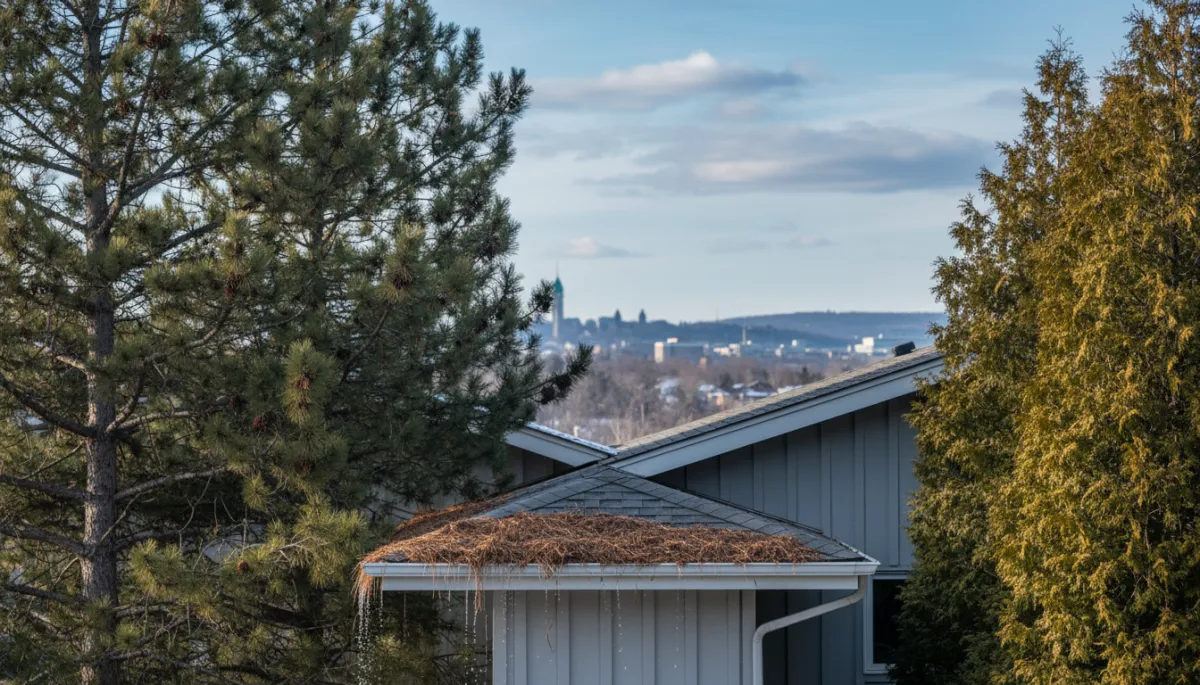
Gutter Strategies for Pine & Cedar Trees in Ottawa
Home Maintenance, Gutter Cleaning, Pine Trees, Cedar Trees
Why Pine and Cedar Trees Require a Different Gutter Strategy in Ottawa
If you live in Ottawa and your property is framed by beautiful Pine Trees or Cedar Trees, your home has curb appeal many people envy. But those same trees can quietly wreak havoc on your gutters if you rely on a standard, “set it and forget it” gutter strategy. Understanding how conifers behave in Ottawa’s climate is the key to smarter gutter maintenance, fewer surprises, and a longer-lasting roof and drainage system.
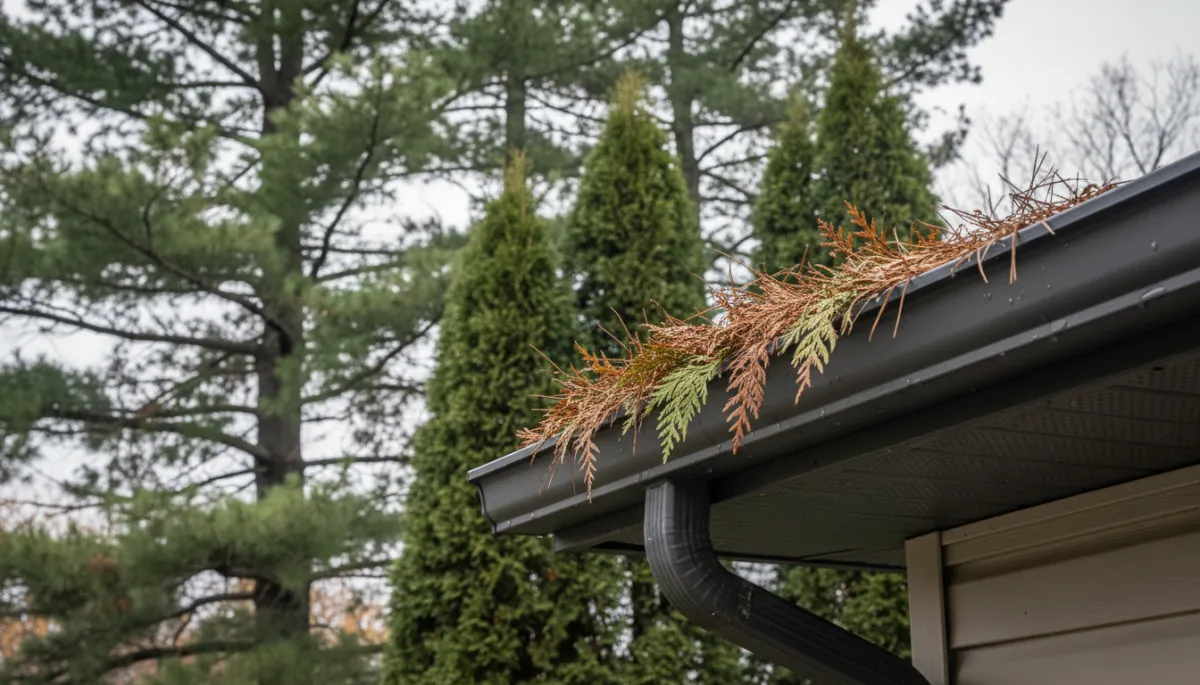
Tailoring Your Gutter Strategy to Pine and Cedar Trees
Protect your Ottawa home from year-round conifer debris
Ottawa’s Climate: Why Your Trees and Gutters Interact Differently Here
Ottawa’s four-season climate makes gutter maintenance more complex than in milder regions. Homeowners face heavy autumn leaf fall, freeze–thaw cycles, wet spring conditions, intense summer storms, and long winters with deep snow and ice. When you add evergreen species like Pine Trees and Cedar Trees to this mix, your gutters are exposed to debris pressure all year round, not just in the fall like with deciduous trees such as maples or oaks.
Conifers shed in a different rhythm. Instead of dropping most of their foliage over a few weeks, they release needles and small bits of greenery gradually, in bursts during windstorms, and often during winter thaws. This constant trickle of material into your gutters means traditional seasonal gutter cleaning—once in late fall and maybe once in spring—often isn’t enough for Ottawa homes surrounded by Pine and Cedar Trees. To see why this matters so much in practice, it helps to look more closely at how each tree type affects your system.
How Pine Trees Challenge Conventional Gutter Maintenance
Pine Trees are iconic in many Ottawa neighbourhoods. They provide privacy, shade, and winter greenery. But from a gutter strategy perspective, they pose a unique set of challenges that differ from broadleaf trees and even from other evergreens. The main culprit is the pine needle itself—long, slender, and surprisingly effective at clogging drainage pathways designed for larger leaves.
Pine Needles: Small Size, Big Impact on Gutters
Unlike wide maple leaves that tend to sit on top of gutter guards, pine needles slip through small openings and collect inside downspouts and gutter channels. Over time, they form dense mats that:
Restrict water flow, causing gutters to overflow during heavy rain or rapid snowmelt
Trap moisture against the metal, accelerating rust and corrosion in older systems
Freeze into solid blocks in winter, contributing to ice dams and heavy gutter loads
This means that a gutter strategy that works under oak or maple trees—often relying on basic screens or once-a-year cleaning—can fail quickly under mature Pine Trees. Needles can also accumulate on roof valleys and behind chimneys, then wash into gutters during storms, overwhelming even relatively new systems. As if that weren’t enough, the way Pine Trees shed throughout the year adds another layer of complexity.
Year-Round Shedding and Storm-Driven Debris
Pine Trees don’t follow the classic autumn “dump” pattern. While some needle drop intensifies in late summer and fall, they also shed:
During spring as new growth pushes out older needles
After windstorms, when branches sway and release cones and needle clusters
Throughout winter thaws, when ice releases trapped debris from branches
For Ottawa homeowners, this pattern means that the gutter cleaning schedule must be more frequent and more flexible. Waiting until “leaf season” is over can leave your gutters partially blocked for months, raising the risk of water backing up under shingles or spilling over near your foundation. And pine needles aren’t the only conifer culprit—Cedar Trees introduce their own set of stubborn gutter problems.
Cedar Trees: Soft Foliage, Stubborn Gutter Problems
Cedar Trees are another favourite in Ottawa landscaping, especially as hedges and privacy screens. Their foliage looks softer than pine needles, but from a gutter maintenance perspective, Cedar Trees can be just as demanding. Cedars shed flat, scale-like sprays that break into small pieces and create a fibrous layer inside gutters and downspouts.
How Cedar Debris Behaves in Your Gutters
When Cedar foliage dries and falls, it tends to:
Break into small fragments that can slip through basic gutter screens
Interlock with other organic material, forming thick, sponge-like mats
Hold moisture, encouraging moss and algae growth inside gutters
In Ottawa’s damp fall and spring seasons, this moisture-retaining debris can keep gutters wet for days after a storm. Over time, that constant dampness can deteriorate sealant joints, promote rust in older metal gutters, and even contribute to wood rot along fascia boards. A Cedar-heavy yard therefore requires a gutter strategy that emphasizes debris exclusion and regular flushing, not just occasional scooping. And when those Cedars are planted close to your home, the impact on your gutters becomes even more direct.
Cedar Hedges Close to the Roofline
Many Ottawa homes feature tall Cedar hedges planted close to the house for privacy. Over time, these hedges can grow higher than the eaves, creating a constant source of fine debris directly above your gutters. In windy conditions, cedar sprays can be blown across the roof and settle near gutter edges, particularly on the side of the house that faces prevailing winds.
When Cedar Trees are this close to the roofline, your gutter maintenance plan must include not only gutter cleaning but also hedge management: trimming back overhanging branches, reducing height where possible, and ensuring adequate airflow so debris does not remain trapped on the roof surface. Taken together with the behaviour of Pine Trees, it becomes clear why a one-size-fits-all approach to gutters simply doesn’t work in conifer-heavy Ottawa yards.
Why Pine and Cedar Trees Demand a Different Gutter Strategy in Ottawa
When you combine the characteristics of Pine Trees and Cedar Trees with Ottawa’s climate, the need for a customized gutter strategy becomes clear. The usual approach—installing a basic screen and scheduling one fall clean—simply doesn’t address the volume, size, and behaviour of conifer debris. Here are the key reasons these trees require a different plan:
Year-round shedding: Needles and cedar pieces fall in all seasons, not just autumn, so clogs can form any time of year.
Fine, penetrating debris: Pine needles and small cedar fragments slip through many standard gutter guards that are effective against broad leaves.
Interaction with snow and ice: In Ottawa, trapped conifer debris becomes a base layer for ice buildup, contributing to ice dams and heavy gutter loads in winter.
Moisture retention: Cedar foliage especially holds water, keeping gutters damp and encouraging decay and moss growth.
A truly effective gutter strategy for homes surrounded by Pine and Cedar Trees in Ottawa therefore needs to go beyond the basics. It should address frequency, equipment, gutter design, and even landscaping choices to keep your system functioning properly throughout the year. The next step is to translate these challenges into a practical, conifer-smart plan for your property.
Building a Conifer-Smart Gutter Strategy: Key Components
1. Adjusted Gutter Cleaning Schedule for Pine and Cedar
For Ottawa homeowners with multiple Pine Trees or Cedar Trees near the house, once-a-year gutter cleaning is rarely enough. A conifer-aware gutter maintenance schedule often includes:
Late fall cleaning after the majority of seasonal needle and foliage drop, to prepare for winter snow and ice.
Early spring cleaning to remove winter debris, thawed ice remnants, and any material that collected during storms.
Mid-summer inspection and spot cleaning, especially after severe wind or rain events that may have shaken loose additional needles and cedar sprays.
Depending on how close and how tall your Pine and Cedar Trees are, some properties benefit from quarterly gutter cleaning. While this might sound intensive, it is often far less expensive than repairing water damage to soffits, fascia, siding, or foundations caused by chronic gutter overflow. Once you’ve set a realistic schedule, the next decision is how to protect your gutters between those cleanings.
2. Choosing the Right Gutter Guards for Pine Needles and Cedar Debris
Not all gutter guards are designed with conifer debris in mind. Many off-the-shelf screens have openings large enough for pine needles and cedar fragments to slip through, where they then become trapped and harder to remove. For Ottawa homes with Pine Trees and Cedar Trees, it is worth considering:
Fine micro-mesh systems that block needles while still allowing heavy rainfall and snowmelt to pass through.
Solid-surface gutter covers that use surface tension to guide water into the gutter while shedding most debris over the edge.
Systems with reinforced edges that can withstand snow loads and ice sliding off roofs in winter.
Even with high-quality guards, occasional gutter cleaning is still necessary when you have Pine and Cedar Trees nearby. However, the right guard system can dramatically reduce how often you need to clean and how much material you need to remove each time, making your overall gutter strategy more sustainable and cost-effective. The image below shows how a well-chosen guard can work with, rather than against, your surrounding trees.

Fine micro-mesh guards help keep conifer debris out while still allowing Ottawa’s heavy rain and snowmelt to drain effectively. For more on seasonal care, see our guide on winter gutter maintenance in Ottawa and learn how to keep your eavestroughs flowing in the coldest months.
3. Gutter Design Considerations for Homes with Conifers
Beyond cleaning and guards, the physical design of your gutter system plays a role in how well it handles debris from Pine Trees and Cedar Trees. When installing new gutters or upgrading an older system, discuss with your contractor how to optimize for conifer-heavy surroundings. Consider:
Wider gutters (e.g., 5" or 6") that can carry more water and tolerate some debris without immediate clogging.
Larger downspouts that are less likely to block when a cluster of pine needles or cedar fragments gets flushed through.
Smooth interior finishes that reduce the tendency of debris to snag and accumulate inside the gutter channel.
In Ottawa, it is also wise to think about ice and snow management. Gutters under Pine and Cedar Trees may see more shaded areas where snow melts slowly. Proper slope, secure hangers, and robust materials all contribute to a gutter strategy that can handle both debris and winter conditions without sagging or detaching from the home. Once your hardware is dialed in, you can further support your gutters by making smart choices in the surrounding landscape.
4. Integrating Landscaping into Your Gutter Strategy
Your gutter system doesn’t operate in isolation; it’s part of a bigger picture that includes the trees and shrubs around your home. When Pine Trees and Cedar Trees are very close to the roofline, strategic landscaping adjustments can drastically reduce the amount of debris reaching your gutters. This might include:
Trimming branches that hang directly over the roof, especially large pine limbs and tall cedar tops.
Thinning dense Cedar hedges to reduce the volume of foliage and improve airflow, helping debris blow past the roof rather than onto it.
Considering selective tree removal or replanting if certain Pine or Cedar Trees are causing chronic gutter and roof issues.
While many homeowners are understandably attached to their mature trees, small changes in placement and pruning can make a big difference in the long-term health of your gutters and roof. A thoughtful gutter strategy respects both your landscape and your home’s structural needs. With the big-picture plan in place, you can then focus on day-to-day maintenance habits that keep everything running smoothly.
Practical Gutter Maintenance Tips for Ottawa Homes with Pine and Cedar Trees
Safe and Effective Gutter Cleaning Practices
Whether you choose to handle gutter cleaning yourself or hire a professional, safety should always come first. Pine and Cedar debris can make roof surfaces slippery, and Ottawa’s freeze–thaw cycles can leave hidden patches of ice in shaded areas. If you do decide to perform your own gutter maintenance, keep these guidelines in mind:
Use a stable, properly rated ladder and never overreach to scoop debris from gutters.
Wear gloves, as pine needles and cedar twigs can be sharp and may hide small stones or roofing granules.
Use a small scoop or gutter cleaning tool to remove dense mats of needles and cedar foliage, then flush the system with a garden hose.
If your home is more than one storey, or if Pine Trees and Cedar Trees make roof access difficult, hiring a professional gutter cleaning service is often the safest and most efficient option. Professionals familiar with Ottawa conditions can also help identify early signs of gutter damage, ice dam formation, or roof issues related to chronic debris buildup. Even with good habits in place, it’s important to recognize when your current approach isn’t keeping up.
Signs Your Current Gutter Strategy Isn’t Working
Even if you have some form of gutter protection in place, Pine and Cedar Trees can overwhelm systems that aren’t designed for them. Watch for these warning signs that your gutter strategy needs an upgrade:
Water spilling over the gutter edge during normal rainfall, especially near corners or downspouts.
Visible mats of pine needles or cedar foliage sitting on top of gutter guards for weeks at a time.
Icicles forming along the eaves in winter, or thick ridges of ice at the roof edge, indicating poor drainage beneath snow cover.
Staining on siding or fascia boards where water has repeatedly overflowed.
Any of these symptoms suggest that your gutters are not coping with the combination of conifer debris and Ottawa’s weather. Addressing the problem early—by revising your cleaning schedule, upgrading guards, or adjusting landscaping—can prevent more serious damage and costly repairs down the road. Ultimately, the goal is to strike a balance between the benefits of your trees and the protection your home needs.
Balancing Tree Benefits with Smart Gutter Strategy
It’s important to remember that Pine Trees and Cedar Trees offer real advantages to Ottawa homeowners. They provide year-round privacy, wind protection, and shade that can reduce energy costs in summer. They also add character and value to your property. The goal of a tailored gutter strategy is not to pit trees against your home, but to help them coexist peacefully.
By understanding how conifer debris behaves, and by acknowledging the unique demands Ottawa’s climate places on your gutters, you can design a maintenance plan that respects both your trees and your home’s structure. Regular gutter cleaning, smart guard selection, thoughtful gutter design, and strategic landscaping all work together to keep water flowing where it should—away from your roof, walls, and foundation. To make this even more manageable, it helps to turn these ideas into a clear, step-by-step action plan.
Putting It All Together: Your Action Plan for Ottawa Gutter Maintenance
If you’re ready to align your gutter strategy with the realities of Pine and Cedar Trees in Ottawa, here is a simple action plan you can follow:
Walk your property. Note how many Pine Trees and Cedar Trees you have, how close they are to the house, and which sides of the roof they affect most.
Inspect your gutters. Look for visible debris, staining, sagging, or signs of overflow. Pay close attention after storms and during snowmelt.
Set a realistic cleaning schedule. For heavy conifer coverage, plan at least two full gutter cleaning sessions per year, plus mid-season inspections.
Evaluate your gutter guards. If you already have guards, check whether pine needles and cedar debris are bypassing or clogging them. Consider upgrading to micro-mesh or solid-surface systems designed for fine debris.
Consult professionals when needed. For multi-storey homes, complex roofs, or extensive Pine and Cedar Trees, a professional gutter maintenance service familiar with Ottawa conditions can help you fine-tune your strategy.
With a clear plan and a realistic understanding of how conifers behave, you can keep your gutters functioning reliably, protect your home from water damage, and continue enjoying the beauty and benefits of Pine Trees and Cedar Trees on your property. All of this leads to one overarching conclusion about how to care for your home under these trees.
Conclusion: A Smarter Approach to Gutter Strategy Under Pine and Cedar
Ottawa’s climate already asks a lot of your home. When you add the constant shedding of Pine Trees and Cedar Trees, your gutters become one of the most critical lines of defence against water damage. Treating conifer-heavy properties the same as homes shaded only by deciduous trees is a common—and costly—mistake. The size, shape, and year-round nature of pine needles and cedar foliage simply demand a different gutter strategy.
By tailoring your gutter maintenance to the specific challenges of Pine and Cedar Trees—adjusting cleaning frequency, choosing guards that block fine debris, designing gutters that resist clogs, and integrating smart landscaping—you can dramatically reduce the risk of overflow, ice dams, and structural damage. In return, you get the best of both worlds: a healthy, attractive landscape and a home that stays dry and protected through Ottawa’s most demanding seasons.
If your gutters are currently battling an endless stream of pine needles and cedar sprigs, now is the perfect time to rethink your approach. A thoughtful, conifer-aware gutter strategy will pay off every time the rain falls, the snow melts, and the wind shakes those beautiful trees that frame your Ottawa home.
In summary, Ottawa homes surrounded by Pine and Cedar Trees need:
More frequent, seasonal gutter cleaning tailored to year-round conifer shedding.
High-performance gutter guards and smart gutter design that handle fine needles, cedar fragments, and heavy snowmelt.
Strategic landscaping and hedge management to reduce debris at the source and protect your roofline.
📌 Key Takeaway: You don’t have to choose between mature trees and a dry, damage-free home. With the right, conifer-smart gutter strategy, you can confidently enjoy both.
Ready to see how this applies to your home? Schedule a professional assessment and let an Ottawa-based gutter specialist review your Pine and Cedar coverage, current guards, and drainage performance. A short visit today can prevent costly repairs tomorrow.
To take the next step, contact Bronson Johnson Seamless Eavestroughs for a no-obligation consultation. Their team can recommend the right guard systems, cleaning schedule, and design upgrades to keep your gutters flowing freely—no matter how many Pine or Cedar Trees you have on your Ottawa property.