Ice Dam Removal: Essential Questions Every Ottawa Homeowner Should Ask
Ice Dam Removal: Essential Questions Every Ottawa Homeowner Should Ask
Winter in Ottawa is beautiful—but it can be brutal on your home. One of the most common and costly winter issues homeowners face is ice dams. These thick ridges of ice form along roof edges and eaves, trapping melting snow and forcing water back under shingles, into walls, ceilings, and insulation.
Before rushing to hire an ice dam removal service, homeowners should understand what causes ice dams, how they should be removed safely, and what questions to ask to avoid damage, scams, or unnecessary expenses.
This guide will help you make informed decisions that protect your roof, gutters, and home.
Understanding the Ice Dam Threat
Ice dams occur when snow melts on a warmer section of your roof and then refreezes at the colder edges near the eaves. As the ice builds up, it prevents proper drainage, allowing water to back up beneath shingles and into your home.
According to building science research, ice dams are not just a roofing issue—they are a whole-home heat-and-moisture problem related to insulation, ventilation, and drainage.
For a technical overview of how ice dams form, see this explanation from Wikipedia’s Ice Dam (Roof)
The Frosty Facts: What Causes Ice Dams—and Why They’re Dangerous
How Ice Dams Form
Ice dams typically form when:
Heat escapes from the home into the attic
Snow melts on the roof surface
Meltwater flows to colder eaves and refreezes
Repeated freeze-thaw cycles build thick ice ridges
Common Contributing Factors
Poor attic insulation allowing heat loss
Air leaks around light fixtures, attic hatches, and chimneys
Clogged gutters and eavestroughs that block drainage
Keeping gutters clear is especially important. Blocked eavestroughs trap water and accelerate ice buildup along roof edges. Regular gutter cleaning and gutter guard installation can significantly reduce this risk.
Consequences of Ignoring Ice Dams
Ice dams can lead to:
Roof leaks and water-stained ceilings
Mold growth inside walls and insulation
Warped flooring and damaged drywall
Shingle deterioration and gutter failure
Long-term structural damage
A Brief History: Why Ice Dams Became a Modern Problem
Ice dams have likely existed since homes were first heated in snowy climates. However, awareness increased significantly after the 1980s, when building science revealed that insulation, air sealing, and ventilation—not roofing materials alone—are the key to prevention.
Modern building codes now emphasize creating a balanced thermal envelope to prevent uneven roof temperatures that cause ice dams.
Ice Dam Removal: Safe Methods vs. Dangerous Mistakes
Safe and Effective Ice Dam Removal Methods
Light DIY Measures (Temporary Relief Only):
Calcium chloride melt socks (never regular salt)
Gently pouring warm—not boiling—water
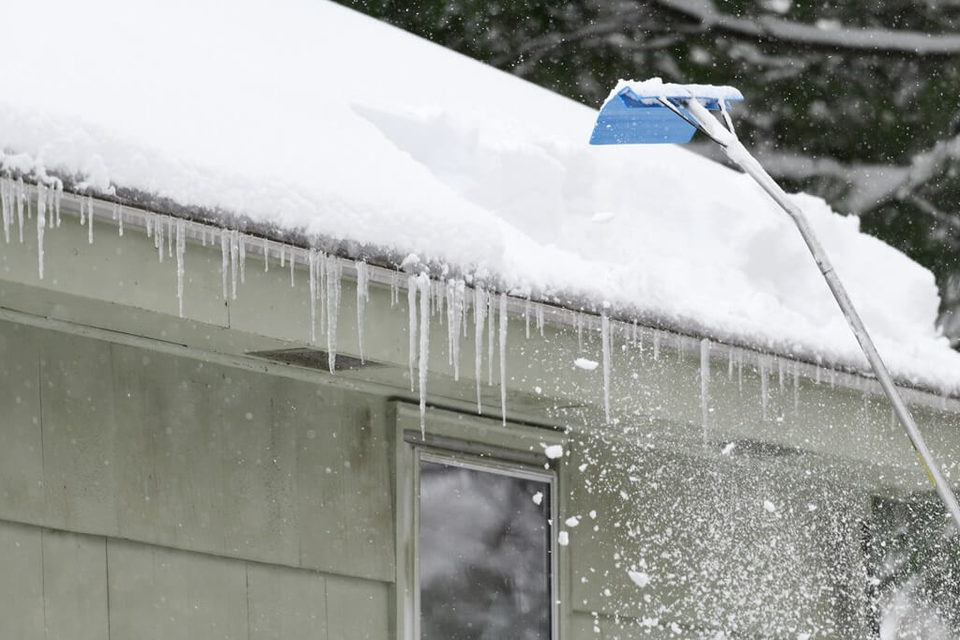
Using a roof rake from the ground to remove snow
Professional Methods:
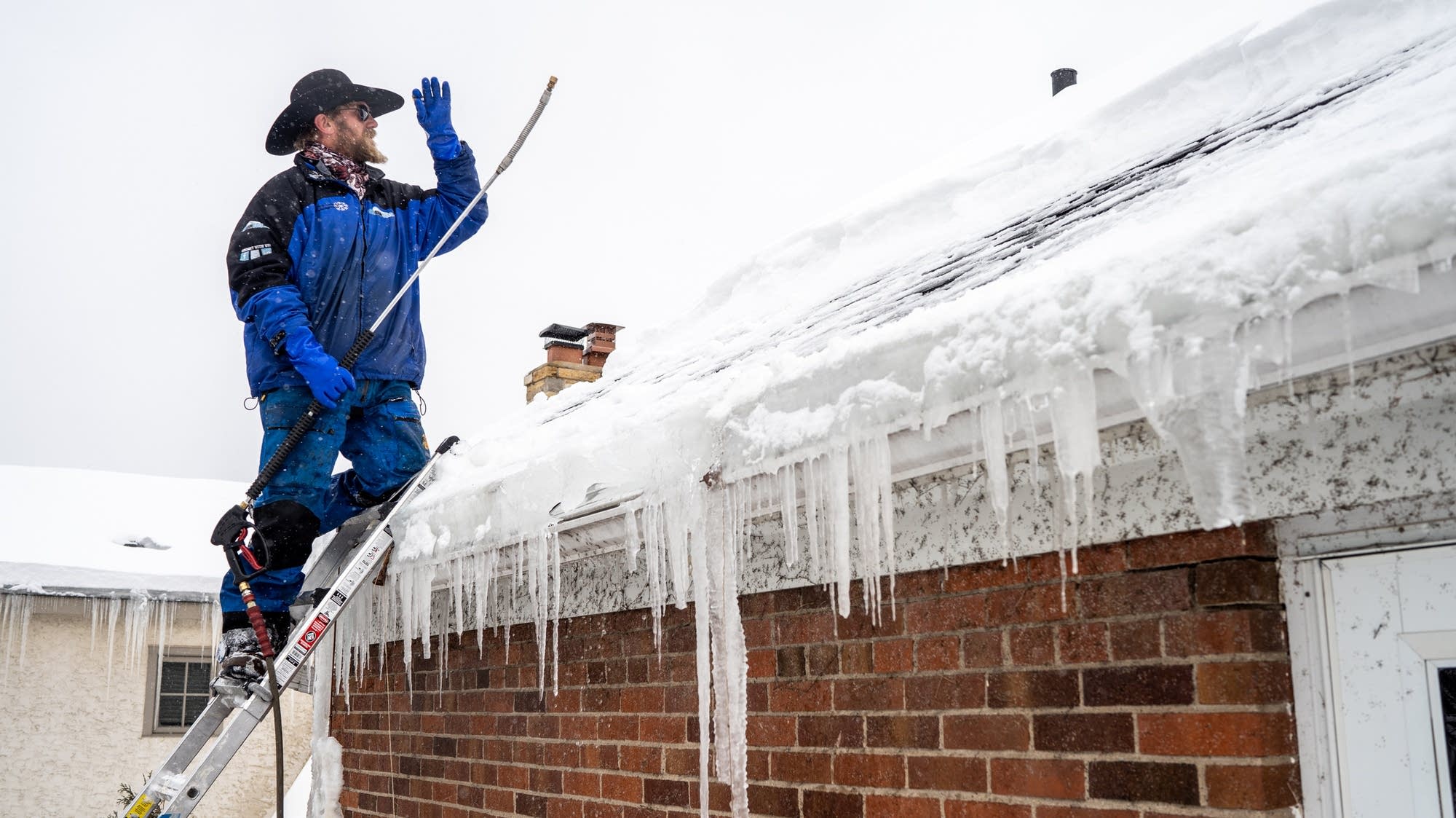
Low-pressure Arctic Steamer systems, widely considered the safest method for removing ice without damaging shingles or gutters
Properly installed heat cables to create drainage channels (supplemental, not a cure)
Methods Homeowners Should Avoid
Chopping ice with axes or shovels
Using harsh de-icing chemicals
High-pressure washing
Climbing icy roofs without safety equipment
These approaches frequently cause roof damage, personal injury, and costly repairs.
Common Ice Dam Removal Scams to Watch For
Unfortunately, winter emergencies attract bad actors. Be cautious of:
“Man-hour” billing that inflates costs
Companies claiming local presence but operating from outside Ottawa
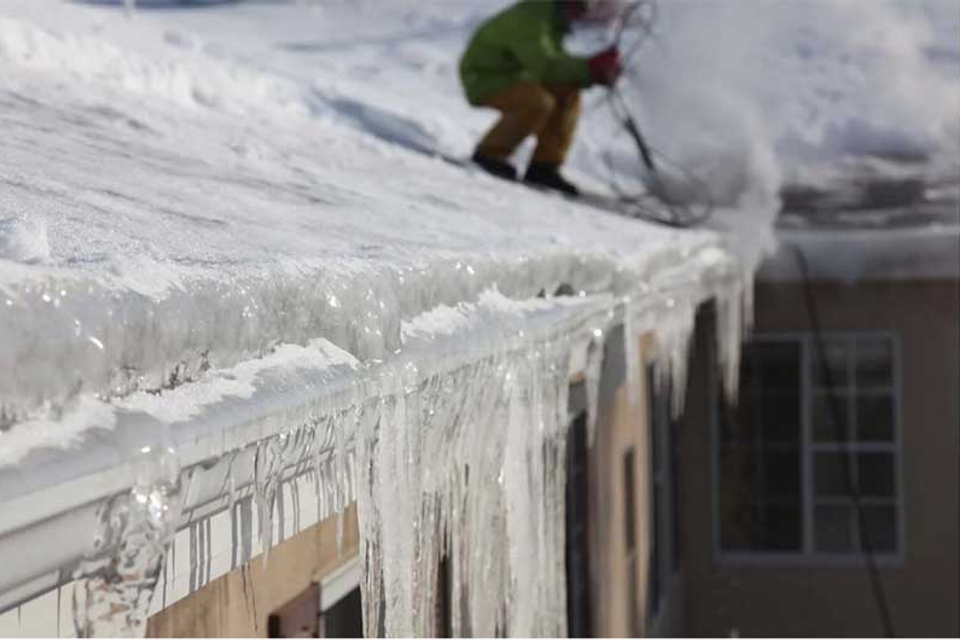
Pressure washers falsely marketed as “steam systems”
Vague estimates with no written scope of work
Hiring Ice Dam Removal Services: Questions Every Homeowner Should Ask
Company Credentials
How long have you specialized in ice dam removal?
Are you licensed, bonded, and insured for roof work?
Can you provide recent local references?
Removal Methods
What method do you use, and why is it safest?
How do you protect shingles, gutters, and landscaping?
Do you use any corrosive chemicals?
Pricing Transparency
Is pricing hourly or flat-rate?
Can you provide a written estimate with a cost cap?
Are there additional fees?
Safety and Accountability
What safety protocols does your crew follow?
What happens if damage occurs?
Do you provide prevention recommendations?
Long-Term Ice Dam Prevention: Protecting Your Home for the Future
The goal is to create a “cold roof”—keeping attic and roof temperatures consistent with outdoor air.
Proven Prevention Strategies
Improve attic insulation and air sealing
Ensure proper attic ventilation
Maintain clear gutters and eavestroughs
Remove heavy snow after major storms
For Ottawa homeowners, regular maintenance is key. Learn why seasonal cleaning matters in this local guide.
The North American Insulation Manufacturers Association (NAIMA Canada) provides excellent guidance on how insulation and air sealing prevent ice dams.
The Future of Ice Dam Defense
Emerging solutions include:
Smart sensors that detect ice dam conditions
Integrated under-roof heating systems
Heated metal roofing and solar roofing technologies
Passive designs that promote natural snow shedding
As these technologies evolve, proper insulation, ventilation, and drainage remain the foundation of prevention.
Final Thoughts: Stay Warm, Dry, and Informed
Ice dams are a serious winter threat for Ottawa homeowners—but they’re also preventable. Asking the right questions, avoiding risky removal methods, and investing in long-term solutions can save thousands in repairs.
If your home has experienced ice dam issues before, it’s a sign that gutters, insulation, ventilation, or drainage need attention. Addressing these proactively helps protect your roof, foundation, and peace of mind.
For professional eavestrough solutions designed for Ottawa winters, visit
Bronson Johnson Seamless Eavestroughs Ottawa