January Ice Dam Warning Signs & Prevention: Protect Your Home Before Damage Starts
The Silent Threat of January: Ice Dams
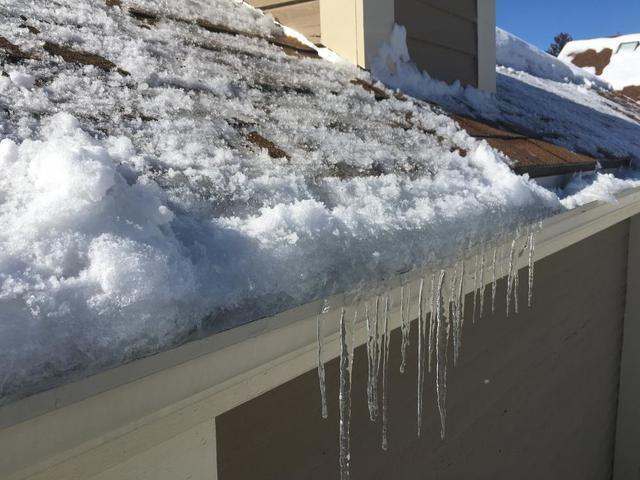
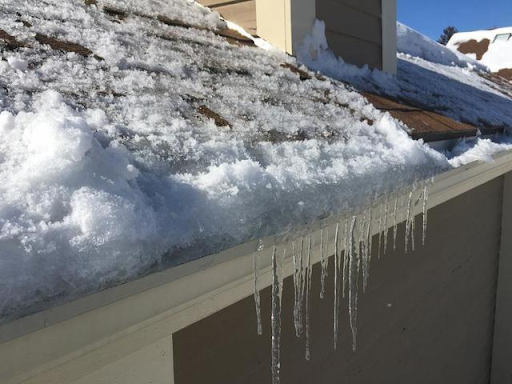
If you’re seeing large icicles hanging from your roof, don’t ignore them—they’re often the first sign of an ice dam forming.
Ottawa’s January weather creates the perfect conditions for ice dams: heavy snow, fluctuating temperatures, and hidden heat loss from your attic. What looks harmless outside can lead to serious damage inside your home.
If you suspect a problem, it’s best to schedule a professional eavestrough and roofline inspection
before minor issues turn into costly repairs.
What Is an Ice Dam?
An ice dam forms when heat escapes from your home and melts snow on your roof. That water flows downward and refreezes at the colder edges (eaves), creating a blockage.
Here’s how it happens:
Heat escapes into the attic
Snow melts on the upper roof
Water flows down under the snow
It refreezes at the eaves
A ridge forms, trapping water behind it
According to the U.S. Department of Energy, poor insulation and air leakage are the primary causes of ice dam formation.
The Hidden Dangers of Ice Dams
Ice dams are more than just a winter nuisance—they can cause serious structural damage.
Water Leaks & Interior Damage
Water backs up under shingles and leaks into ceilings, walls, and insulation.
Structural Damage
Ongoing moisture exposure can weaken your roof structure and fascia boards.
Mold & Mildew Growth
Trapped moisture creates ideal conditions for mold, impacting indoor air quality.
Gutter & Roof Damage
Heavy ice can pull gutters away from your home and damage shingles.
If you’re noticing these issues, you may need professional gutter repair services
to prevent further damage.
Key Ice Dam Warning Signs You Should Never Ignore
Early detection can save you thousands in repairs.
Large icicles forming along roof edges
Ice buildup behind or inside gutters
Water stains on ceilings or walls
Sagging or detached eavestroughs
Wet insulation in the attic
Cracked or lifted shingles
Not Sure If You Have an Ice Dam?
👉 Get a Free Ice Dam Prevention Assessment
Description:
If you’re seeing icicles, water stains, or sagging gutters, your home may already be at risk. Our experts will inspect your attic airflow, soffits, and eavestrough system to identify the root cause and help you prevent costly damage before it worsens.
Ice Dam Prevention: What to Do (and What NOT to Do)
✅ What You SHOULD Do
Improve Attic Insulation & Ventilation
This is the most effective long-term solution. Proper insulation prevents heat from escaping into your attic.
👉 Guidelines from Canada Mortgage and Housing Corporation emphasize the importance of ventilation and insulation balance.
Seal Air Leaks
Prevent warm air from escaping into the attic through ceiling penetrations.
Keep Gutters Clean
Clogged gutters worsen ice dam formation.
👉 Consider gutter guard installation to keep your system clear year-round.
Install Proper Drainage Systems
A well-functioning system helps meltwater flow away safely.
👉 Learn more about seamless eavestrough installation for improved winter performance.
What You Should NOT Do
Do NOT use salt or chemicals (damages roofing materials)
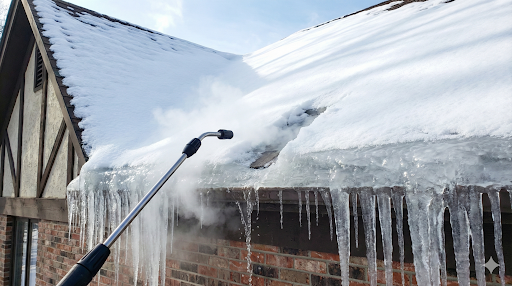
Do NOT chip ice (can destroy shingles)
Do NOT rely only on heat cables
Do NOT ignore early warning signs
How Ventilation & Gutters Work Together
Ice dams are not just a roofing issue—they’re a system failure.
Proper attic ventilation + drainage = full protection.
That’s why many homeowners combine ventilation improvements with
👉 soffit and fascia repair services
to restore proper airflow and prevent recurring problems.
Conclusion: Stop Ice Dams Before They Start
Ice dams can quickly turn a beautiful winter into a costly disaster.
By:
Improving attic airflow
Maintaining your gutter system
Acting early on warning signs
…you can protect your home from serious damage.
Protect Your Home This Winter
Don’t wait until water starts leaking into your home.
👉 Get a Free Eavestrough Guard & Ice Dam Prevention Estimate
Our team will assess your roofline, ventilation, and drainage system to keep your home safe through Ottawa’s harsh winter conditions.