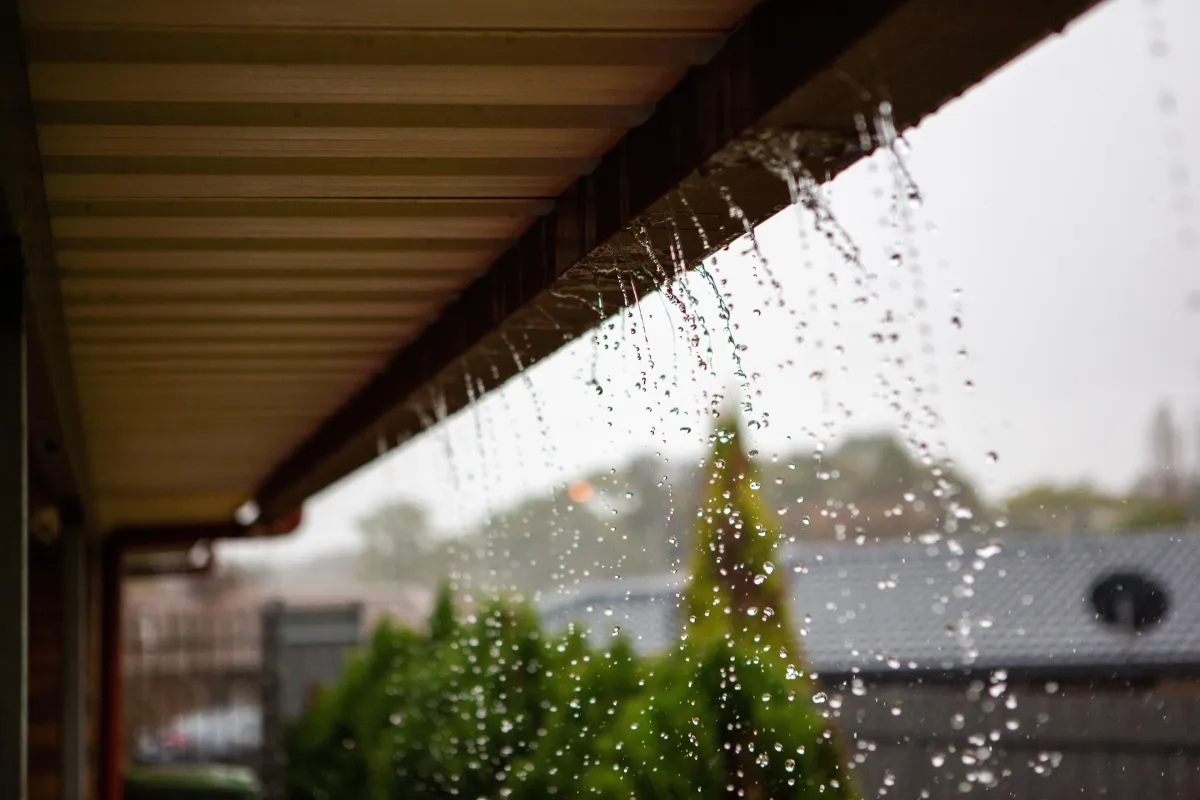
Managing Spring Rains and Prepping for Ottawa’s Summer Storms
We are right in the middle of May. The Ottawa winter is officially behind us, the tulips are in bloom, and daily temperatures are a comfortable 18°C to 20°C. But as any local resident or property manager knows, this beautiful stretch of spring also marks the arrival of our heaviest active rainfall season.
Whether you are protecting your family home, an investment property, or a commercial facility, your eavestroughs are facing their first true test of the year. While the snow has been gone for weeks, the structural strain it left behind is being put under immense pressure by today's steady spring downpours.
Unaddressed drainage issues right now will quickly turn minor leaks into major structural damage as we head into heavy summer storm season next month. To keep your property dry, secure, and protected, here is your essential May eavestrough audit checklist.
1. Clear the May "Seed Drop" Clogs
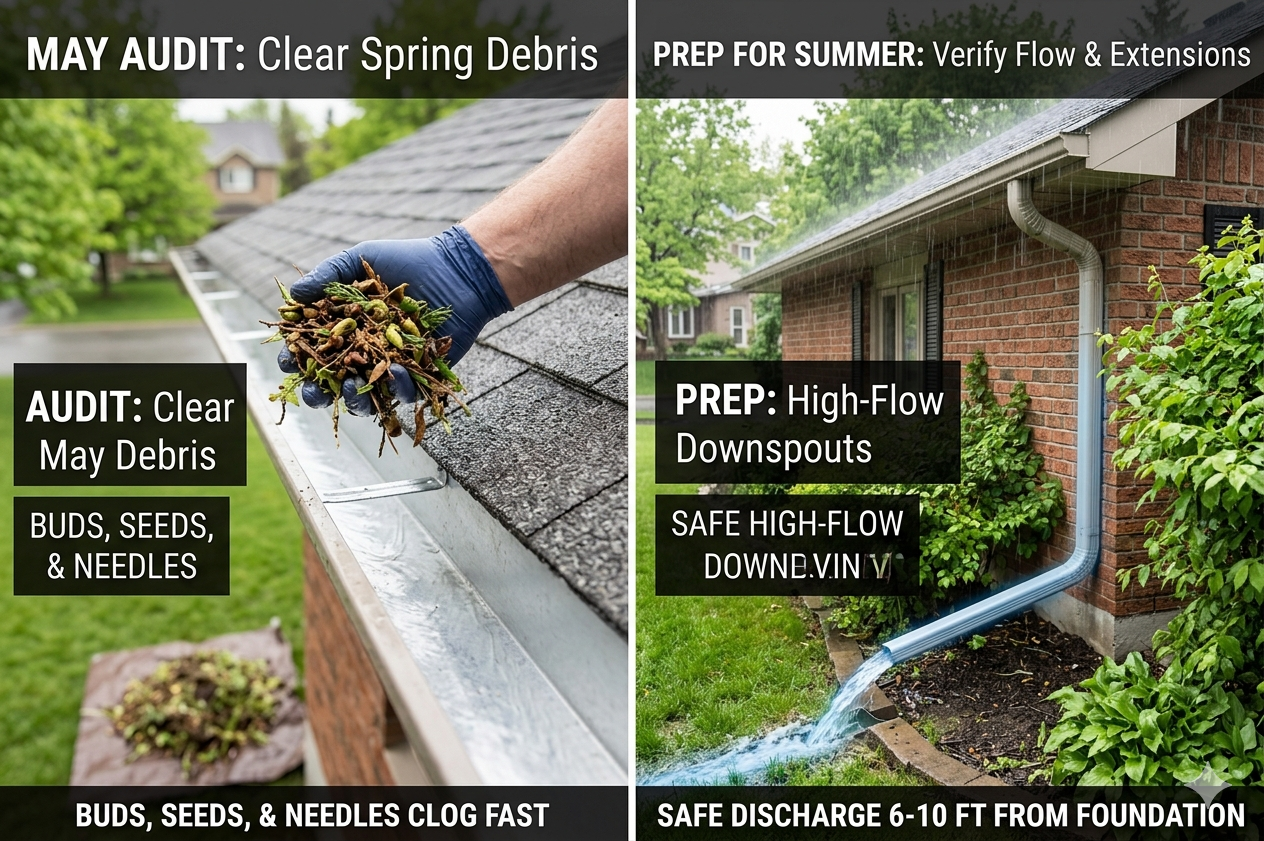
Many people associate clogged gutters exclusively with autumn leaves, but late spring is a massive offender in the Ottawa region. Right now, local trees are shedding a heavy volume of bud hulls, oak tassels, seed pods, and evergreen needles.
The Problem: When these small organic materials get wet from spring showers, they pack tightly together inside the channels, forming a dense, sludge-like mat.
The Risk: This sludge quickly blocks downspout openings. For residential homes, this means water backs up under your shingles or overflows directly into your foundation and garden beds. For commercial spaces, it causes immediate overflow onto public walkways, creating safety and liability hazards.
2. Check for Winter-Induced Sagging and Loose Hangers
Now that your system is actively carrying heavy spring rain, structural weaknesses caused by past winter snow loads will begin to show themselves. Heavy ice and snow pack put thousands of pounds of pressure on internal hangers over the colder months.
What to look for right now: Walk the perimeter of your property during a rainy afternoon. Look for areas where water is visibly spilling over the side or where the eavestrough trowel is starting to pull away from the wood fascia board.
The Risk: If your internal hangers were warped or loosened by past snow loads, the added weight of current rainwater can cause entire sections of the gutter run to buckle or completely collapse.
3. The "Standing Water" Audit
Eavestroughs rely on a precise slope to channel water away from your building envelope instantly. Shifting building materials, loose brackets, or minor structural settling over the winter can easily disrupt this delicate pitch.
What to look for right now: Check your eavestroughs a few hours after a spring rain has stopped. If you see stagnant pools of water sitting in the middle of a run, your system's pitch has been compromised.
The Risk: Stagnant water in May temperatures creates a prime breeding ground for mosquitoes right as patio season kicks off, and it accelerates rust and wear along component seams.
4. Verify Active Downspout Discharge Zones
As we highlighted in our previous guide on downspout management, keeping water away from the base of your structure is your number one defense against foundation failure. Spring property cleanups, residential gardening, and landscaping setups can easily disturb your downspout extensions.
What to look for right now: Ensure all residential downspouts and commercial extensions are firmly connected and discharging water 6 to 10 feet safely away from your foundation walls.
The Risk: Disconnected downspouts dump thousands of gallons of May rainfall directly against your concrete slab or basement walls, leading to erosion, basement flooding, and costly foundation cracks,check City of Ottawa’s drainage standards.
Conclusion: Act Now Before Summer Downpours Arrive
Taking a proactive approach in May gives you the perfect weather window to fix lingering structural issues. Correcting a misaligned bracket or clearing out a spring seed clog today is vastly cheaper than handling a water-damaged foundation or a flooded interior during a severe summer downpour next month.
Whether you're safeguarding your family home or managing a local business property, make sure your drainage system is optimized for the current rain and built to last.