
Enhance Home Life with Smart Deck Choices
Home Maintenance, Deck Installation, Outdoor Living, Seasonal Maintenance, Lifestyle
How Smart Deck Choices Protect Your Home—and Enhance Your Lifestyle
Your home is likely your biggest investment, and protecting it goes far beyond paint colors and décor. One of the most overlooked, yet essential, parts of home maintenance and enjoyment is your deck and outdoor living space. When your deck is well designed and structurally sound, you may simply see it as a natural extension of your home. When it starts to fail, however, you can face safety hazards, water intrusion at the house wall, damaged landscaping, and costly repairs—issues that disrupt both your budget and your lifestyle.
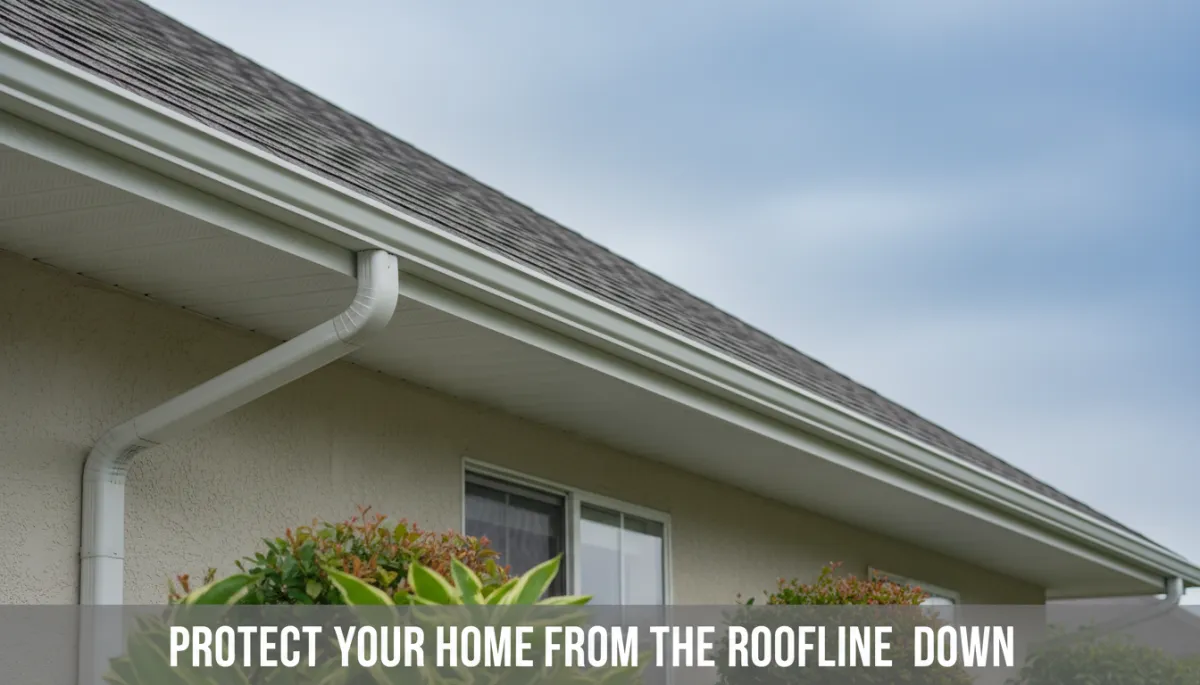
Taking a proactive approach to deck design, installation, and seasonal maintenance is one of the most effective ways to safeguard your home’s exterior while creating a space you truly enjoy. It also supports the kind of lifestyle many homeowners want—less time worrying about structural issues, more time relaxing, dining, and entertaining with family, friends, and neighbours. In this guide, we will explore how a well-planned deck fits into your overall home maintenance plan, what to consider during installation, and how to keep everything looking great and performing safely through every season.
Why Decks Matter More Than Most Homeowners Realize
Building on this idea of proactive protection, it helps to understand just how much work your deck quietly does for your home. Decks do much more than provide a spot for a barbecue. A properly built deck is designed to support people, furniture, and planters safely, while managing moisture at the connection points where it meets your home. When they perform well, they help prevent a wide range of problems, including:
Rotting rim joists and wall framing caused by poorly flashed ledger boards,
Loose railings and unstable stairs that create safety hazards for family and guests,
Slippery or deteriorating deck surfaces that increase the risk of trips and falls,
Erosion and washouts beneath the deck that can undermine posts and footings.
According to guidance from many building and safety organizations, deck failures are often linked to issues like improper connections, inadequate flashing, and deferred maintenance. When you consider that a properly designed and installed deck is relatively affordable compared with structural repairs or injury-related costs, the value becomes clear. A small, planned investment in your deck today can prevent large, unexpected expenses tomorrow, while preserving your home’s comfort, safety, and resale value.
Home Maintenance Starts at the Outdoor Living Space
With this broader perspective on risk and value in mind, it becomes easier to see why outdoor living areas deserve the same attention as interior projects. Many homeowners focus on interior projects first—kitchens, bathrooms, flooring—because those improvements are visible and enjoyable. Yet, the outdoor spaces that quietly support your day-to-day routines deserve equal attention. Your deck, railings, stairs, and surrounding grading form a key part of your home’s first line of defence against the elements, while shaping how comfortably you can move between indoors and out. Keeping them in good condition is a cornerstone of smart home maintenance and should be part of your regular checklist, alongside furnace servicing and window inspections.
Looking beyond appearance, a well-maintained deck supports a healthy, functional building envelope. Proper flashing and drainage reduce the risk of moisture intrusion at door thresholds and exterior walls, help maintain consistent indoor temperatures near patio doors, and protect finishes like siding, brick, and stone from staining and premature wear. These benefits are not just technical—they directly influence how comfortable and secure your home feels day to day, which has a real impact on your lifestyle and peace of mind.
💡 Pro Tip: Walk around and under your deck at least once a year. Look for soft or spongy boards, loose railings, rusted fasteners, or dark, damp areas where the deck connects to the house—these are early signs your deck needs attention.
The Benefits of a Seamless, Well-Planned Deck Installation
Once you recognize the role your deck plays in protecting your home, the importance of getting the installation right becomes even clearer. When it is time to build a new deck—whether on a newly built home or as a replacement—choosing a thoughtful, integrated design offers important advantages over piecemeal or improvised solutions. Professionally installed decks are custom-built on-site to match your home’s layout, door locations, and yard conditions, which means the structure, footings, and railings work together as a cohesive system. Careful planning translates into better performance, fewer long-term issues, and a cleaner, more polished appearance.
Improved performance: With proper footing depth, beam sizing, and ledger connections, your deck is better able to handle everyday use, gatherings, and seasonal weather without sagging or shifting.
Enhanced durability: Quality framing lumber, corrosion-resistant fasteners, and modern composite or pressure-treated surfaces help your deck withstand rain, snow, and UV exposure better than many DIY options.
Cleaner aesthetics: Thoughtful layouts, hidden fasteners, and coordinated railings complement most architectural styles, supporting both curb appeal and long-term property value.
Beyond these visible benefits, professional installers also pay attention to subtle but critical details, such as ledger flashing, post spacing, stair geometry, and how water will drain off and around the deck. These details determine whether your deck quietly does its job for years—or struggles with pooling water, premature rot, and ongoing repairs. Building codes and best-practice guidelines in many regions specify minimum footing depths, guard heights, and connection methods to help protect both your home and the people who use the space. A thoughtful installation will build these requirements into the design from the start.
Key Considerations Before Installing a New Deck
With the value of professional planning established, the next step is to think through how a new deck will work for your specific home and routine. Before your new deck goes up, it is worth taking time to think through a few practical questions. Doing so will help ensure the design supports both your home’s needs and your preferred lifestyle—whether that means low-maintenance living, gardening, outdoor entertaining, or all of the above.
Deck size and layout: Consider how you plan to use the space. Larger decks and multi-level layouts can accommodate dining areas, lounges, and grills, but they also require more structure and maintenance. Your installer should size beams, joists, and footings accordingly to handle expected loads.
Local climate: Areas that experience freeze–thaw cycles, heavy snow, or intense summer sun place additional demands on deck materials. The choice between wood and composite, the type of fasteners, and the finish you select should all reflect local conditions.
Landscaping and grading: Think about how your deck interacts with gardens, walkways, and drainage patterns. Proper grading, gravel bases under the structure, and thoughtful stair placement can help keep water away from the house and protect planting beds and outdoor living zones you want to enjoy.
Future plans: If you are considering exterior renovations—such as a patio, hot tub, or pergola—discuss these with your installer. Planning ahead can prevent conflicts, ensure adequate structural support, and avoid unnecessary rework later.
For homeowners who want to read more about how outdoor structures affect the rest of the house, resources from building authorities and home improvement organizations provide helpful background on moisture management, structural safety, and exterior design. These insights reinforce how something as simple as a well-placed stair or properly flashed ledger board can contribute to a safer, healthier home overall.
Low-Maintenance Deck Materials: Reducing Upkeep Without Compromising Comfort
After you have considered layout and structure, material selection becomes the next major decision—and a key driver of how much time you will spend on upkeep. Scrubbing, sanding, and staining a deck is one of the least popular home maintenance tasks—and for good reason. It often involves working in direct sun, dealing with dust and old finishes, and racing against the weather. For many homeowners, especially those with busy schedules, low-maintenance decking materials can be an excellent way to reduce the frequency of refinishing while keeping the surface looking fresh and inviting.
There are several types of modern decking materials on the market, including composite boards, PVC decking, and higher-performance treated lumber. When properly matched to your climate, sun exposure, and design preferences, quality materials can significantly cut down on annual upkeep. The key is to choose products that:
Resist fading, splintering, and surface wear in everyday use,
Handle common local conditions, such as heavy rain, snow, or strong sun, without warping or cupping,
Are installed with appropriate fasteners and spacing so they do not shift, squeak, or trap water over time.
It is also important to remember that “low maintenance” does not mean “no maintenance.” Even with composite or PVC decking, most systems benefit from periodic washing to remove dirt and pollen, as well as inspections to ensure railings, stairs, and connections remain in good condition. The goal is not to eliminate maintenance entirely, but to make it safer, quicker, and more manageable—especially as homeowners age or prefer to spend their weekends on more enjoyable activities.
💡 Pro Tip: If you are unsure whether low-maintenance decking is right for your property, track how often you clean, stain, or repair your current deck over a full year. Frequent refinishing or board replacement is a strong signal that an upgrade could be a worthwhile investment.
Seasonal Maintenance: A Simple Schedule That Protects Your Deck Year-Round
Even with durable materials and solid construction, every deck benefits from regular care. Establishing a seasonal maintenance routine for your deck is one of the most effective ways to prevent problems before they start. The good news is that this routine does not have to be complicated. With a few focused checks each season, you can keep your deck looking good, performing safely, and extend its lifespan significantly.
Spring: Inspect After Snow and Ice
As winter recedes, take a close look at your deck boards, railings, and stairs. Snow and ice can add considerable weight, especially where drifts have formed. In spring, check for boards that appear cracked or heaved, railings that wobble, or posts that have shifted. Clear out any remaining debris between boards, and sweep away leaves that can trap moisture. Confirm that water is draining away from the house and that any nearby downspouts are not discharging directly under the deck.
Summer: Prepare for Heavy Use and Sudden Storms
As spring inspections wrap up and warmer weather arrives, your focus can shift to getting the space ready for everyday enjoyment. Summer often brings the heaviest use of your deck, along with intense, short-lived thunderstorms. Before peak season, ensure your deck surface is clean and free of slippery algae or mildew. Tighten any loose fasteners, and look for signs of standing water on the surface after a rainfall. Standing water can indicate low spots or boards that need to be reset. This is also a good time to apply or refresh protective finishes on wood decks and to consider any upgrades—such as shade structures or privacy screens—before the busier fall season arrives.
Fall: Stay Ahead of Leaves and Moisture
As summer winds down and temperatures begin to drop, your maintenance priorities shift again toward managing organic debris and moisture. Fall is the most critical time for deck maintenance in many regions, especially where mature trees surround residential neighbourhoods. As leaves drop, they can quickly collect in the gaps between boards, against railings, and around stairs, trapping moisture just as wetter, cooler weather sets in. Plan to sweep or blow off your deck at least once during peak leaf fall, and again afterward to catch anything that was missed. If your deck is wood, fall is often an ideal time for cleaning and sealing to help protect it through winter.
Winter: Monitor for Ice, Snow Load, and Surface Safety
As fall maintenance wraps up and the first snowflakes appear, your goal becomes monitoring conditions rather than doing major work. During winter, safety comes first. Avoid using metal shovels that can gouge deck boards, and be cautious with de-icing products that may damage finishes or corrode fasteners. Instead, monitor your deck from the house or ground. Look for heavy snow buildup, large icicles forming near stairs, or slippery patches near doorways. While decks are typically designed to handle snow loads, uneven accumulation or blocked drainage can create localized stress. If you notice recurring issues, it may be time to review your deck’s structure, drainage, and nearby roof runoff with qualified professionals.

Simple seasonal inspections catch small deck and exterior issues long before they become costly repairs.
Safety First: When to Call in Professionals
All of this seasonal attention naturally raises an important question: which tasks are safe to handle yourself, and when is it better to bring in help? While some homeowners are comfortable handling minor deck cleaning or tightening a few screws, working at height and dealing with structural components always carries risk. According to public health data from various safety organizations, falls from ladders, elevated surfaces, and failing decks send many people to emergency departments every year. If your deck is more than a single step off the ground, if the structure is older, or if you are at all unsure about its condition, it is wise to hire professionals for inspections, repairs, and major upgrades.
Professional deck specialists have the equipment, training, and experience to work safely. They can also spot early warning signs that might be easy to miss—such as hairline cracks in posts, corroded hardware at critical connections, or subtle movement when weight is applied. Addressing these issues promptly can prevent more serious damage and help your deck last longer, saving you money and reducing safety risks over the life of your home.
💡 Pro Tip: If you do choose to tackle small tasks yourself—such as cleaning or replacing a few boards—use a sturdy ladder on level ground when needed, have someone nearby as a spotter, and avoid working alone in poor weather or fading light.
How Deck Care Supports the Lifestyle You Want at Home
Stepping back from the technical details, it is worth remembering why all this effort matters in the first place: the way you live in and enjoy your home. At first glance, decks may not seem connected to lifestyle. Yet, when you look more closely, a reliable, inviting deck quietly supports many of the ways you enjoy your home. A safe, dry outdoor space means more usable area for a family dining zone, home gym equipment that can be rolled outside, or a hobby corner for container gardening. Protected landscaping around the deck allows you to invest in planters, outdoor seating, or a play area without worrying that heavy rain or foot traffic will quickly wear everything out. A well-designed deck reduces muddy paths and awkward transitions, making it easier to host barbecues, play with children or pets, and move between the house and yard comfortably.
Thoughtful home maintenance, including deck care, also contributes to a calmer, more organized daily life. Instead of reacting to loose boards, peeling finishes, or wobbly railings right before guests arrive, you can feel confident that your outdoor space is ready whenever you are. This sense of control and preparedness is especially valuable for busy households juggling work, school, and community commitments. A modest amount of planning—backed by professional support where needed—goes a long way toward creating a home that feels safe, welcoming, and resilient through changing seasons.
Budgeting for Deck Installation and Ongoing Maintenance
Of course, even the best intentions around safety and lifestyle need to fit within a realistic financial plan. Any home improvement project benefits from clear budgeting, and deck work is no exception. While exact costs vary based on home size, materials, and site conditions, it is helpful to think in terms of both initial installation and ongoing upkeep. Many homeowners find it useful to set aside a modest annual amount for exterior maintenance—covering deck cleaning, sealing or staining (for wood), minor repairs, and similar tasks—rather than waiting for larger, unplanned expenses to arise.
Consumer resources, such as the budgeting tools from the Financial Consumer Agency of Canada at canada.ca, can help you integrate home maintenance into your overall financial planning. When you view deck installation and maintenance as part of protecting your investment—similar to insurance or regular servicing of major appliances—it becomes easier to prioritize and schedule the work. Over time, this proactive approach often proves more economical than deferring maintenance until problems become urgent.
Choosing the Right Partner for Your Deck Project
Once you have a sense of your budget and priorities, the next step is finding the right people to help you carry out the work. Selecting a qualified, reputable contractor is an essential step in any home project. When evaluating deck specialists, consider factors such as experience, training, and local knowledge. Ask about the materials they use, the warranties they offer, and how they handle challenging grades, multiple levels, or integration with existing patios and doors. It is also wise to confirm that they carry appropriate insurance, secure necessary permits, and follow safety best practices on-site.
Many homeowners find it helpful to review impartial advice from trusted organizations. For example, the Better Business Bureau offers general guidance on working with contractors and checking business reputations. Similarly, local consumer protection offices and municipal building departments often publish tips on hiring qualified tradespeople and understanding permit requirements. Taking a few minutes to review this information can help you ask informed questions and feel more confident in your final decision.
Bringing It All Together: A Practical Approach to Home and Lifestyle Protection
When you look at the bigger picture, deck installation, material choices, seasonal maintenance, and lifestyle are all closely connected. A well-designed, properly maintained deck system:
Protects your home’s exterior—door thresholds, siding, and adjacent walls—from avoidable water and wear,
Supports a healthier indoor environment by helping keep entry points dry and reducing moisture at the building envelope,
Preserves the landscaping and outdoor spaces that contribute to your day-to-day enjoyment of your property,
Reduces the likelihood of disruptive, stressful emergency repairs, allowing you to plan and budget on your own terms.
By building simple seasonal checks into your home maintenance routine, considering low-maintenance materials where appropriate, and partnering with experienced professionals for installation and repairs, you can enjoy the benefits of a robust, attractive deck without it demanding constant attention. The result is a home that feels more resilient and a lifestyle with fewer unwelcome surprises when the weather turns or guests arrive.
If you would like to explore broader home maintenance planning, resources such as the Natural Resources Canada home efficiency guides offer additional ideas for protecting and improving your property over time. Combining energy efficiency upgrades with effective exterior structures, drainage, and outdoor maintenance can further enhance comfort, reduce utility costs, and support a more sustainable lifestyle.
Next Steps: Turn Good Intentions into Action
By this point, you have seen how design, materials, maintenance, safety, and budgeting all come together to support a stronger home. Understanding the importance of a well-built, well-maintained deck is a strong first step—putting that knowledge into action is where the real benefits appear. Whether your current deck is nearing the end of its life, you are curious about low-maintenance materials, or you simply want an expert opinion on how well your outdoor space is performing, a professional assessment can provide clear answers and practical recommendations tailored to your home.
From there, you can prioritize the work that will have the greatest impact—perhaps replacing aging boards with composite decking, upgrading railings for improved safety, or scheduling regular cleanings and inspections to stay ahead of seasonal wear. Each of these steps contributes to a more secure, comfortable home and a lifestyle with fewer maintenance surprises.
📌 Key Takeaway: A smart deck strategy combines quality installation, durable materials, and a simple seasonal checklist. Together, these choices protect your home’s structure, reduce unexpected repair bills, and keep your outdoor space ready for everyday living and last-minute get-togethers.
As you look ahead to the next season, take a moment to assess your own deck: Is it structurally sound? Are surfaces, railings, and stairs as safe and comfortable as you would like? Do you have a clear plan for maintenance—or is it time to explore lower-maintenance options and professional support?
Ready to protect your home from the outside in and simplify your seasonal maintenance routine? Do not wait for loose boards, pooling water, or wobbly railings to force an urgent repair. Take the next step now and contact Bronsonjohnson today to explore professional solutions for your exterior projects! A brief conversation today can help you enjoy a safer, more resilient deck—and a more relaxed lifestyle—for years to come.